Portuguese
  Spanish


The Automotive Sector Is Experiencing A Time Of Rapid Transformations, Marked By The Race Of Automakers In Search Of Vehicles That Are Increasingly Efficient And Sustainable. Electric Cars, Once Seen As A Distant Promise, Are Already A Reality In Several Markets And Drive Intense Disputes Between Industry Giants. However, Not All Companies Believe That Offering The Greatest Possible Range Is The Key To Winning Over The Consumer. Some, Like Rivian, Argue That The Balance Between Range, Price And Innovation May Be More Important Than Impressive Numbers On Spec Sheets
The Rivian CEO, RJ Scaringe, stated that the company does not intend to enter the competition for electric cars with a range of 800 kilometers or more.
For him, the focus is on meeting what most consumers really want.
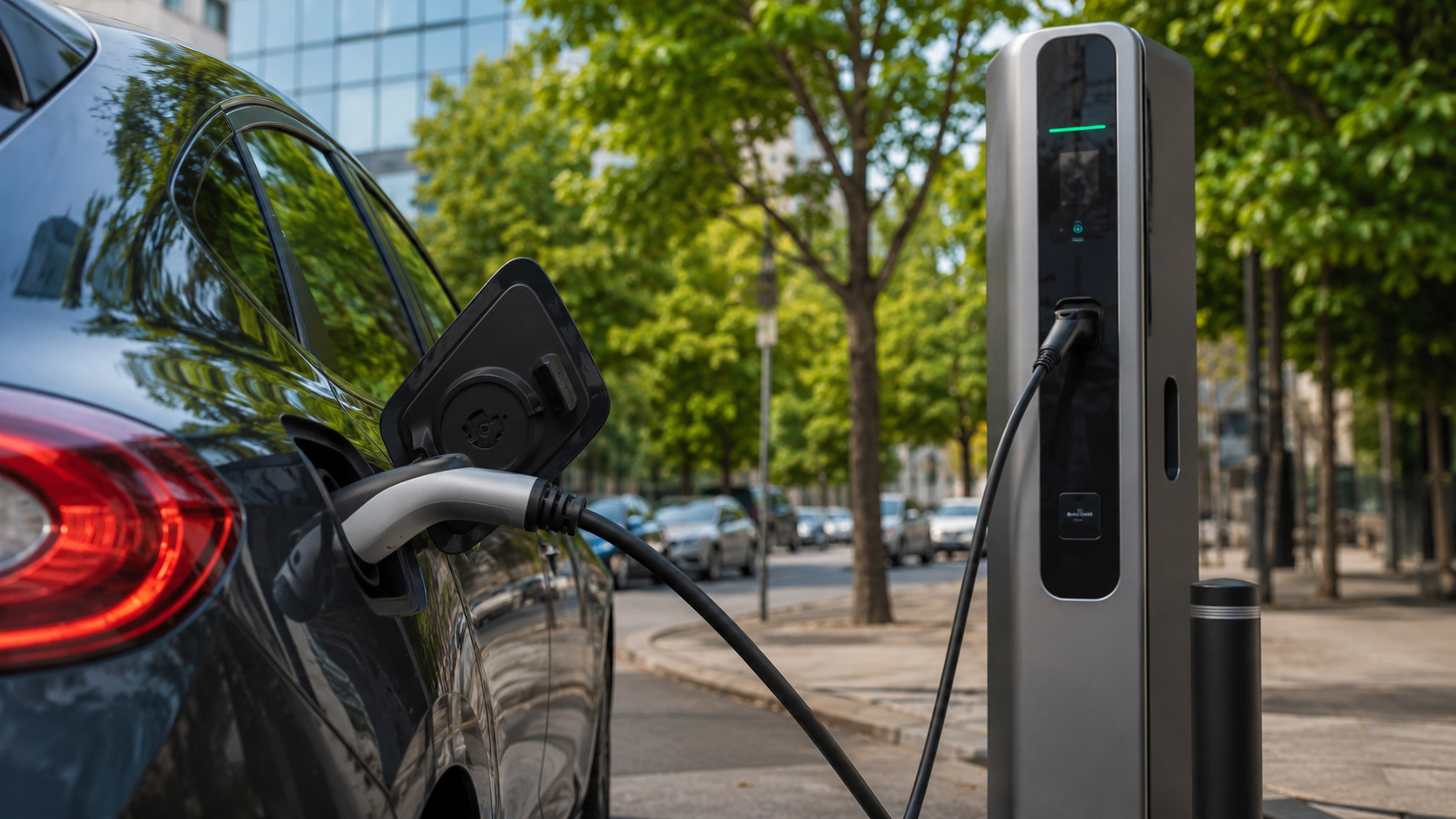
According to Scaringe, the ideal range is between 500 and 600 kilometers, considered sufficient for daily use and more compatible with affordable prices.
-
Electric and Hybrid Cars Set to Transform Brazilian Streets: A New Era Begins

-
Chinese Giant Invests $1.3 Billion in Brazil to Produce 50,000 Cars Annually, Create Jobs, Develop Local Suppliers, and Manufacture Electric, Hybrid, and Combustion Models by 2027

-
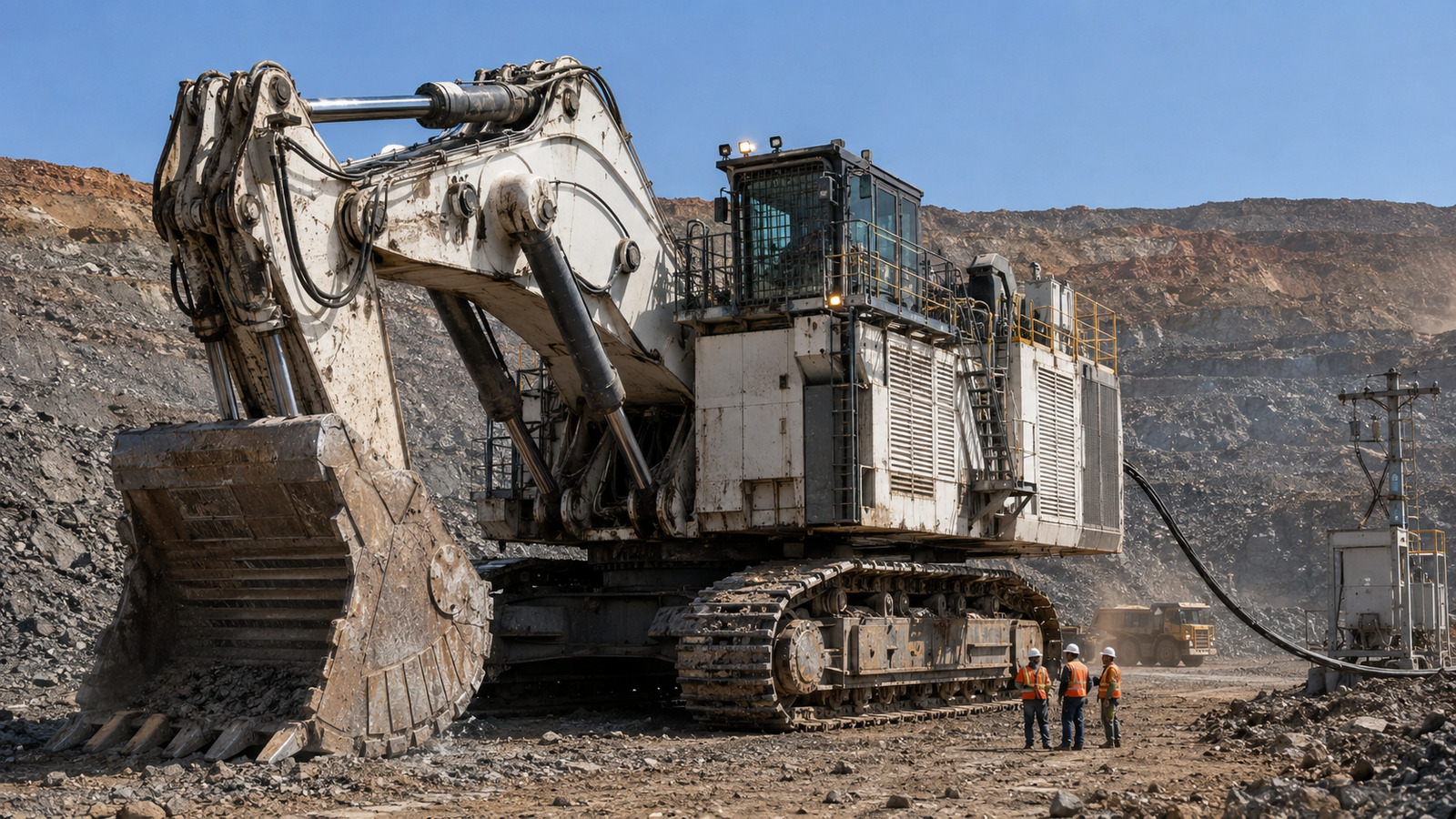
Unprecedented achievement in India: a colossal 650-ton, nearly 3,000 hp excavator is transformed into 100% electric, marking a new phase in heavy mining.
-
Frightened by the speed of Chinese manufacturers, Renault decided to mimic the pace, made the new electric Twingo in just 21 months, wants to repeat the feat with 36 models by 2030, and along the way, will cut up to 2,400 engineering positions.

This stance contrasts with the so-called “range wars” already adopted by competitors like Lucid Motors and Mercedes-Benz.
Both offer models capable of covering long distances without recharging. Lucid, for example, recently entered the Guinness World Records by achieving over 1,200 kilometers of range with its Air model.
Direct Competition
Tesla is also participating in this competition, albeit in a less aggressive manner. Recently, Elon Musk’s company launched a version of the Model 3 with a range of up to 830 kilometers.
This type of announcement reinforces the perception that the automotive sector is experiencing a technological race to offer ever-increasing numbers.
Despite this, Rivian maintains its strategy. For Scaringe, vehicles with over 800 or 1,000 kilometers of range cater only to a limited audience.
He believes the mass demand lies in cars that offer a balance between range, price and practicality.
Interview On The Tosh Show
In an interview on the Tosh Show, hosted by Daniel Tosh, the executive was directly asked if Rivian would launch a car with 800 kilometers of range. Scaringe responded firmly: “I Don’t See A Market For Electric Vehicles With Such Range.”
He also emphasized that the company is betting on advances in other areas, capable of adding value without excessively raising the final cost.
Costs And Accessibility
The reasoning of the CEO is supported by sales figures. In the United States, the most sought-after models are precisely those that approach the 600-kilometer range.
Moreover, vehicles above this threshold have high costs, making them accessible only to consumers with high purchasing power. Therefore, Rivian believes that addressing this market center is more strategic than investing in expensive and exclusive niches.
Focus On Battery Technology
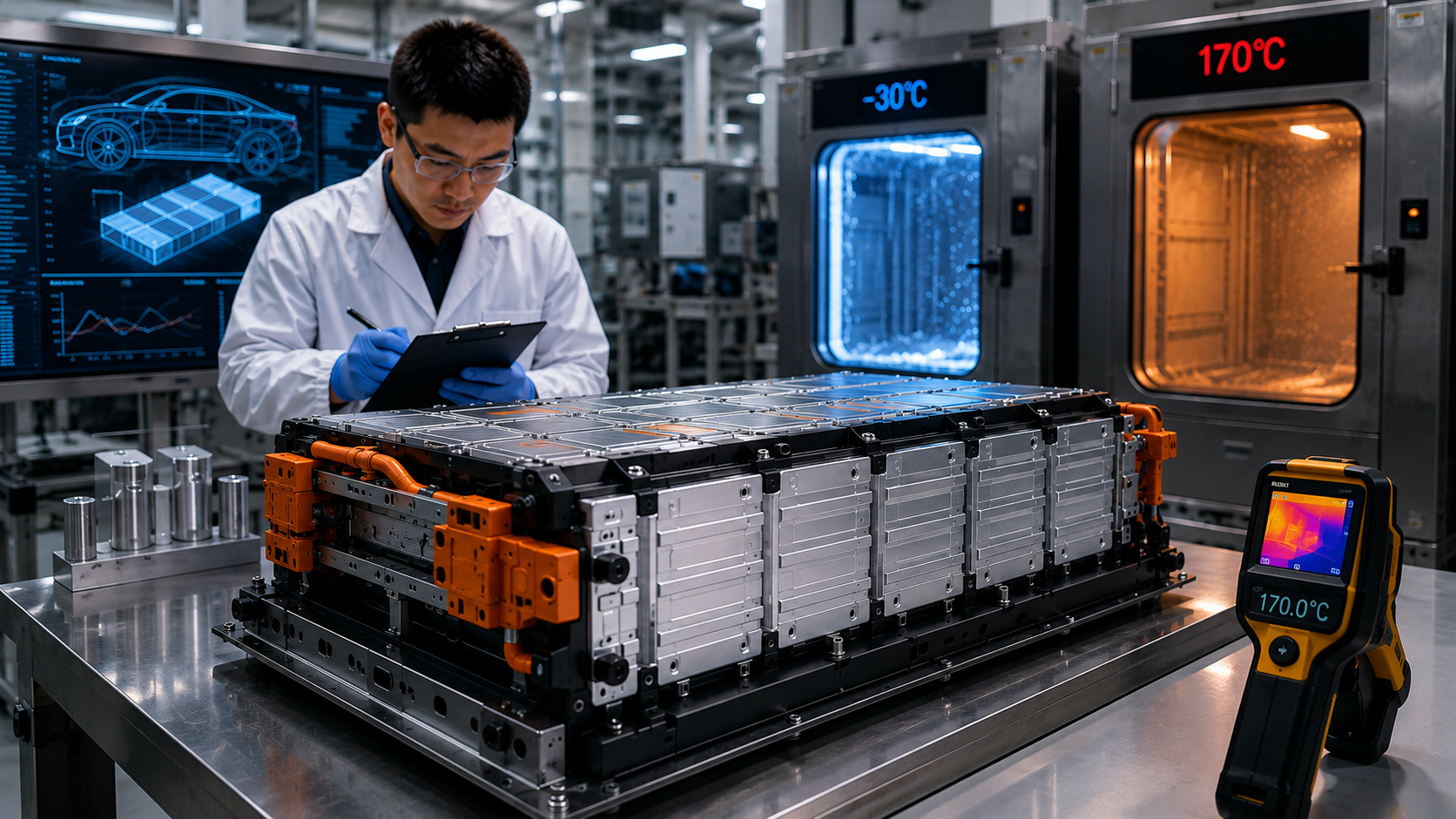
Scaringe also highlighted that Rivian’s future advancements will be linked to the development of batteries with higher energy density.
This means lighter vehicles, with less space allocated to energy cells and, consequently, more competitive prices.
He stressed that the brand will continue to seek solutions that enhance performance without getting lost in long-range goals considered unrealistic for the average consumer.
Next Generation Of Models
These changes may be applied in the company’s upcoming launches. Rivian is preparing the R2 and R3 models, expected to arrive in Europe between 2027 and 2028.
The R2, in particular, is set to compete with the Tesla Model Y and is estimated to be priced around €50,000 in Spain, awaiting official confirmation.
In this way, the brand aims to consolidate its international presence while maintaining the philosophy of balancing range, cost, and innovation.