






 Portuguese
  Spanish


In The Last Decades, Ford Factories in Brazil Were Synonymous With Mass Production, Engines Roaring and Vehicles Speeding Off the Assembly Lines.
However, what seemed to be the end of the Ford era in the country turned out to be a new beginning, bringing new opportunities and promises for the future.
But what really happened to the giant factories that not long ago were the heart of Brazilian automotive production? The answer to this question involves radical transformations, million-dollar investments, and a new hope for jobs and innovation.
One of the most recent surprises came from the Troller factory in Horizonte, Ceará. This unit, which seemed destined to be forgotten following Ford’s cessation of activities, gained a new chance to reinvent itself.
-
Brazil’s 2026 Tax Refund: Record 9.58 Million Filers in Largest Payout Ever, But a Key Detail on Priority Recipients Draws Nationwide Attention

-
Itaú Alters Hybrid Work Model, Increasing Office Days from 2028, Prompting Employees to Adjust to New Routine
-
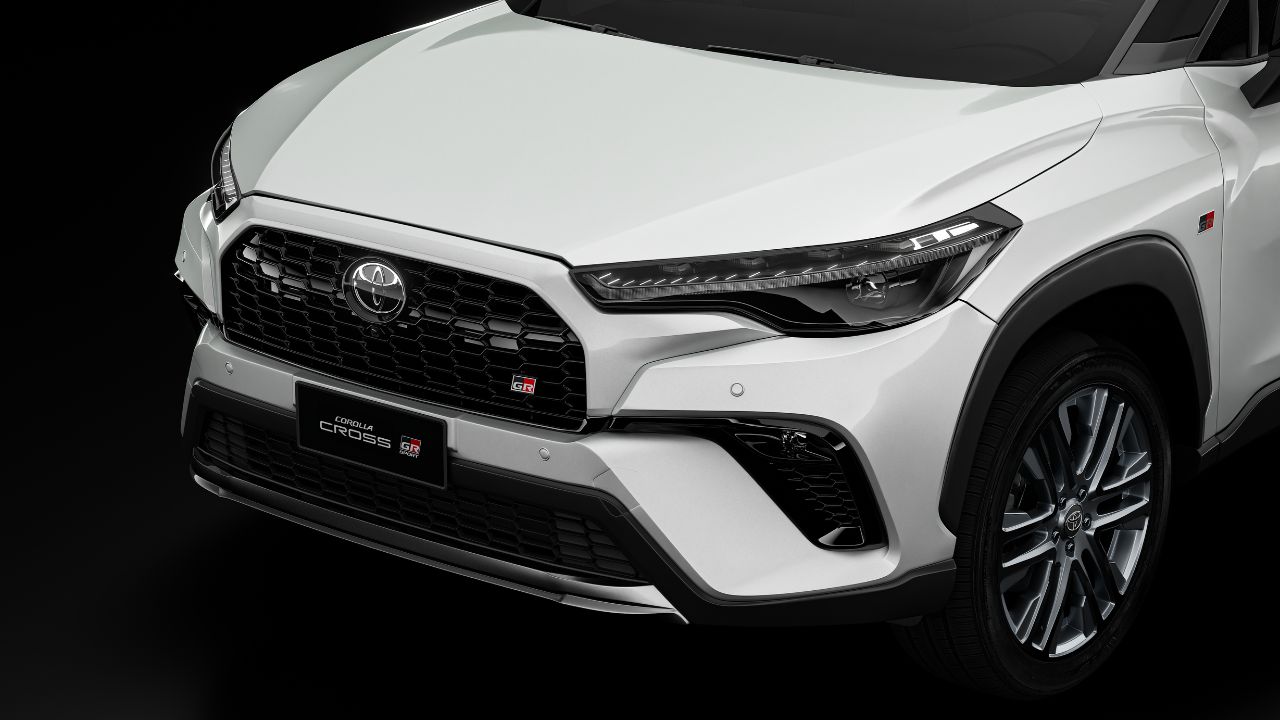
2027 Toyota Corolla Cross Unveiled: New Design, Enhanced Fuel Efficiency, Reduced Maintenance Costs, Advanced Technology, Connected Services, and Up to 10-Year Warranty

-
Facing Labor Shortage, Japan Plans to Invest $34 Million to Attract Foreign Workers in Construction, Healthcare, Industry, and Commerce



Comexport, one of Brazil’s largest foreign trade companies, took over operations and announced an ambitious plan: to invest R$ 400 million to transform the plant into an electric vehicle production hub.
As announced by the Government of Ceará, Comexport has signed agreements with three automotive brands to produce up to six models of electric and hybrid vehicles.
The expectation is that, as early as the first half of 2025, production will reach the mark of 40,000 vehicles per year, bringing a new dynamic to the region and generating hundreds of jobs.
This operation resembles the business model of Nordex in Uruguay, which produces vehicles of different brands in a single factory, demonstrating a new trend in the automotive industry.
São Bernardo do Campo: From Automaker to Logistics Center
Another important chapter in the history of the former Ford factories in Brazil involves the São Bernardo do Campo unit in São Paulo.
Purchased by Ford in 1967, this factory produced some of the brand’s most iconic vehicles, such as the Corcel, the Ka, and the Fiesta. However, with the modernization of the Camaçari (BA) plant, the São Bernardo do Campo unit lost relevance and was closed in 2019.
In 2020, the land was sold to Construtora São José for R$ 550 million, which subsequently transferred the area to Prologis.
Today, the former Ford factory is being transformed into one of the largest logistics centers in São Paulo, a reconfiguration aimed at meeting the growing demand for logistics services in the metropolitan area.
Currently, part of the land is already being used by Mercedes-Benz as a parking area for new trucks, while the demolition of the former structure continues at full steam.
Camaçari and the Partnership with BYD
The Camaçari factory in Bahia was inaugurated in 2001 as a strategic pillar for Ford in Brazil, being responsible for the production of popular models such as the Ford EcoSport.
After ceasing operations in 2021, many uncertainties arose about the future of the unit. However, the Chinese BYD, a giant in the electric vehicle sector, stepped in with a proposal to resume production at the Bahia factory.
According to sources linked to the automotive sector, BYD intends to start producing hybrid SUVs, particularly the Song Pro model. The expectation is that the first vehicles will come off the assembly line as early as 2024, putting Camaçari back on the map of the national automotive industry.
Taubaté: A New Role for the Paulista Unit That Was from Ford
The Taubaté unit in São Paulo also underwent a significant transformation. After Ford ceased operations, the factory was acquired by Companhia Siderúrgica Nacional (CSN), which plans to invest R$ 100 million in the establishment of a new plant for its subsidiary, Prada Embalagens.
The focus of the new operation will be the production of metal packaging, a crucial segment for the food and beverage industry in Brazil.
Despite plans having already been announced, details about the timeline for the inauguration of the new factory have yet to be revealed. The expectation, however, is that the operation will begin generating jobs in the region and help stimulate the local economy.
Reconfiguration of the Former Ford Facilities
The former Ford factories in Brazil, which once symbolized the strength and power of the national automotive industry, are now following new paths.
Each unit, with its peculiarities and challenges, is reinventing itself to meet new market demands and contribute to the country’s economic development.
Whether in the production of electric vehicles, logistics for major brands, or the manufacturing of metal packaging, Ford’s legacy continues to influence the future.
Will these new operations be able to achieve the same success that Ford had in Brazil? With so many changes and innovations, it remains to be seen whether these new ventures will bring the same impact and development that Ford’s factories provided over the years.








Eu queria que a Ford volta-se……ela não soube vender seus ótimos carros e hoje vemos Nissan, Hyundai, Honda, etc. Pegaram o mercado dela e vão pegar o da Volkswagen e Chevrolet também se eles não se modernizaram e não souberem vender
Ótima reportagem parabéns
Muita incompetência de Bolsonaro!