






 Portuguese
  Spanish


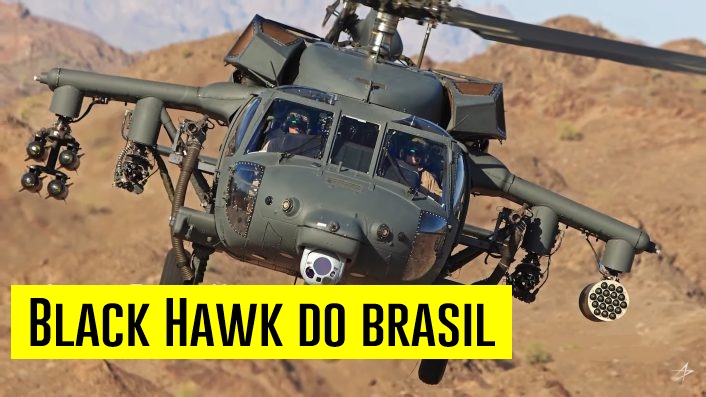


The Brazilian Army Prepares to Receive One of the Most Modern Helicopters in the World, Equipped with Radar, Night Vision, and Electronic Countermeasures
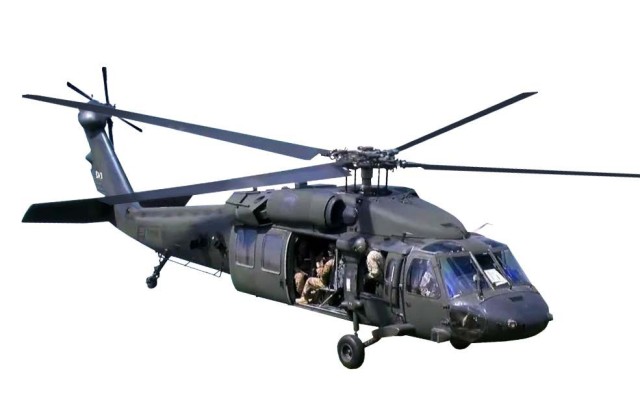
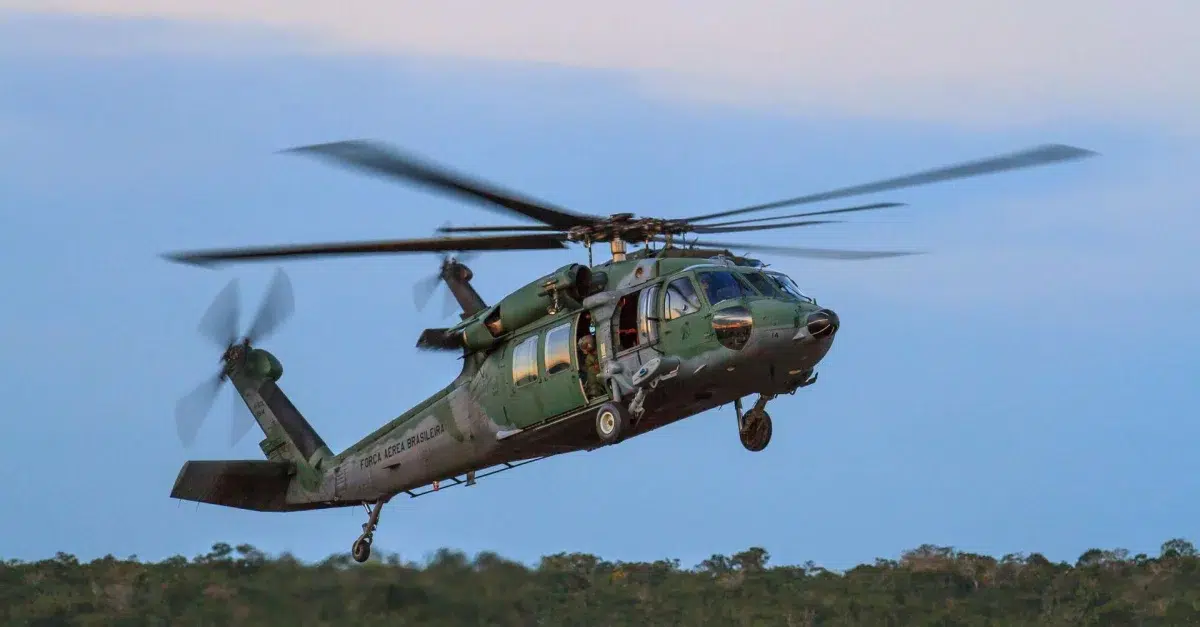
The Brazilian Army announced the imminent arrival of new Sikorsky UH-60M Black Hawk helicopters, acquired from the United States through the Foreign Military Sales (FMS) program. With an investment valued at up to US$ 950 million, the acquisition of 12 aircraft also includes engines, navigation, and communication systems, in an effort to modernize the Army’s aviation fleet.
Schedule and Configuration of the Brazilian Army Helicopters
The delivery schedule anticipates that the first unit will be delivered in 2025, with the remaining units distributed between 2027 and 2029.
Each unit will be brand new, part of the U.S. Army’s Multi-Year Production Program X, ensuring that the installed equipment meets the latest production standards.
-
New Brazilian Frigate Equipped with Advanced Missiles and Radars to Safeguard Strategic Maritime Areas

-
New Brazilian Frigate Equipped with Advanced Missiles and Radars to Protect Strategic Maritime Areas, Including the Blue Amazon and Pre-Salt Reserves
-
China Unveils Laser Weapon Capable of Instantly Neutralizing Military Drones, Marking a Significant Advancement in Air Defense Technology
-
U.S. Navy’s Ticonderoga-class Cruiser Becomes a 9,800-Ton Missile Fortress with Advanced Aegis System Capable of Tracking Hundreds of Targets



In addition to the aircraft, the package includes 34 T700-GE-701D turbo shaft engines, with 24 installed and 10 spares, as well as 28 EAGLE-M GPS systems and 24 AN/ARC-231A radio systems.
Although the T700-GE-701D engines do not represent the most advanced technology available—since the U.S. is transitioning to the T901 Improved Turbine Engine model—the Brazilian Army opted for a consolidated configuration, excluding the more modern versions of the equipment.
Challenges in Integration
The Aviation Base in Taubaté, São Paulo, which houses prominent units such as the 1st and 2nd Army Aviation Battalions, is undergoing modifications to receive the new helicopters. Currently, the base operates Airbus H125M Esquilo and H225M Caracal aircraft, requiring adaptations to integrate the Black Hawk model.
Recently, representatives from the U.S. Army and Sikorsky were on site to assess the infrastructure conditions and recommend configurations. Despite this, an ongoing challenge remains: local maintenance.
Sikorsky does not yet have a dedicated support center in Brazil, relying on outsourced contracts and authorized offices, which differs from competitors like Airbus and Leonardo, who offer more robust structures in the country.
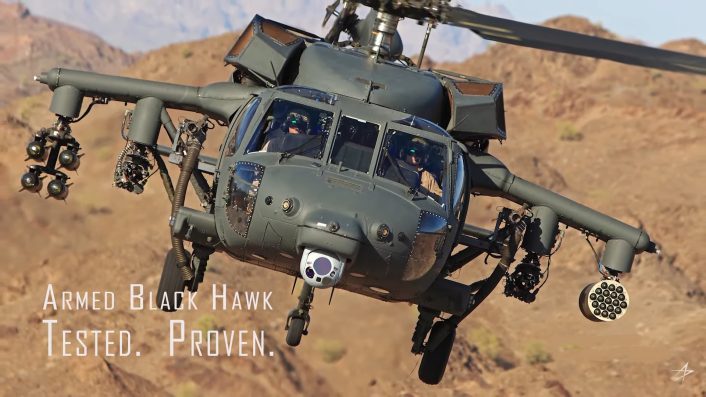
UH-60M Black Hawk: Characteristics of the Brazilian Army Helicopters
| Category | Description |
|---|---|
| Manufacturer | Sikorsky Aircraft Corporation |
| Aircraft Type | Multi-Purpose Utility Helicopter |
| Passenger Capacity | Up to 11 equipped soldiers or up to 6 stretchers in medical evacuation configuration |
| Crew | 2 pilots + 2 operators |
| Payload | Up to 4,000 kg (external, with suspended load) |
| Powerplant | 2 General Electric T700-GE-701D engines |
| Maximum Speed | Approximately 294 km/h |
| Flight Range | 511 km (standard configuration, without auxiliary tanks) |
| Maximum Operating Altitude | 19,000 feet (5,790 meters) |
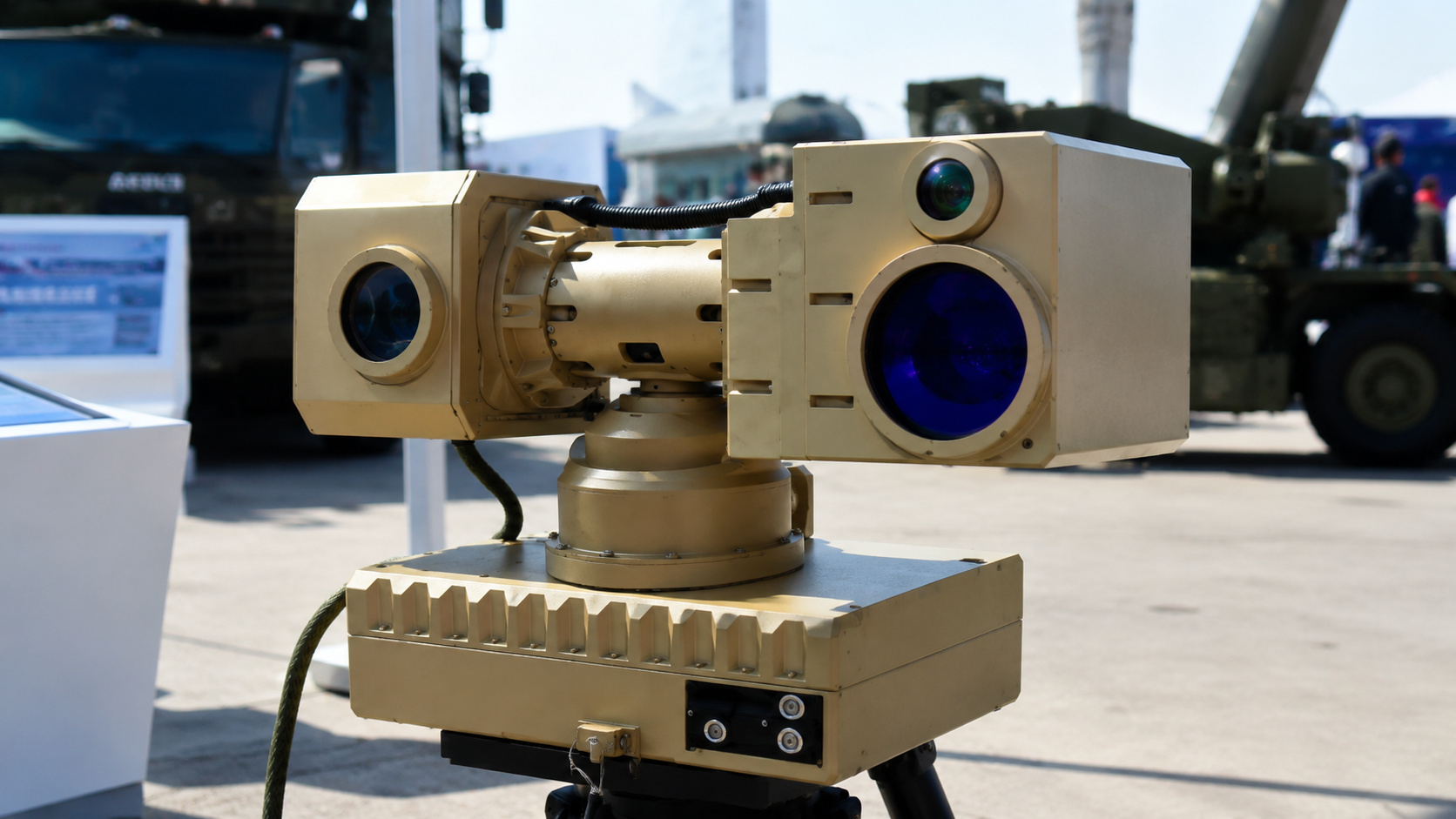
| Special Equipment | Radar system, electronic countermeasures, FLIR, night vision capability |
| Armaments (Optional) | Machine guns, rocket launchers, and missile pods |
| Maximum Takeoff Weight | 10,659 kg |
| Dimensions (Length) | 19.76 m (with rotors in motion) |
| Dimensions (Height) | 5.13 m |
| Main Rotor | Diameter of 16.36 m |
| First Flight | 1974 (original UH-60); UH-60M upgraded in 2006 |
| Main Users | U.S. Armed Forces, Brazil, Colombia, Mexico, among others |
Modernization and Operational Continuity
The operational history with the Black Hawk model in Brazil reinforces the importance of the new acquisition. Since 1997, the Army has been using the UH-60L for peacekeeping missions and search and rescue operations.
The new aircraft will replace older units, such as the UH-60L and AS532UE, with the promise of greater efficiency and operational capability.
Additionally, the helicopters will be strategically distributed between Taubaté, Campo Grande, and Manaus, supporting diverse missions, including troop transport, medical evacuation, and support for special operations.
Strategic Visit and International Coordination of the Army
Earlier this year, a Brazilian delegation led by Army General Flávio Marcus Lancia Barbosa visited Washington to finalize the details of the acquisition. During the visit, the group was at Sikorsky, the U.S. Army Materiel Command, and the Brazilian Army Commission, ensuring that the contract terms met Brazil’s operational needs.
No Offset Clauses
Unlike previous acquisitions, such as the F-39 Gripen fighter and the H-36 Caracal helicopter, this contract does not include industrial, economic, or technological offset clauses. This may raise discussions about the lack of technology transfer, which is often prioritized in Brazilian military purchases.
The arrival of the new UH-60M Black Hawk helicopters marks an important step in modernizing the Brazilian Army’s aviation fleet. Despite challenges such as maintenance and the absence of offsets, the investment promises to strengthen the operational capabilities of the armed forces, ensuring efficiency in critical missions.
However, the Army will need to continue investing in local adaptation and support to fully integrate these new aircraft into its operational structure.







Transferência de tecnologia zero, empregos e empresas brasileiras envolvidas no projeto zero, o que o Brasil ganha? Militares brasileiros foram e são contra o desenvolvimento nacional independente e soberano, militares brasileiros sempre prontos pra abaixar as calças pra estadunidense.
Investimento e cobra para atentar contra a própria constituição contra a democracia.
Si realmente precisar para defender o país a veremos se prestam mesmo!