






 Portuguese
  Spanish


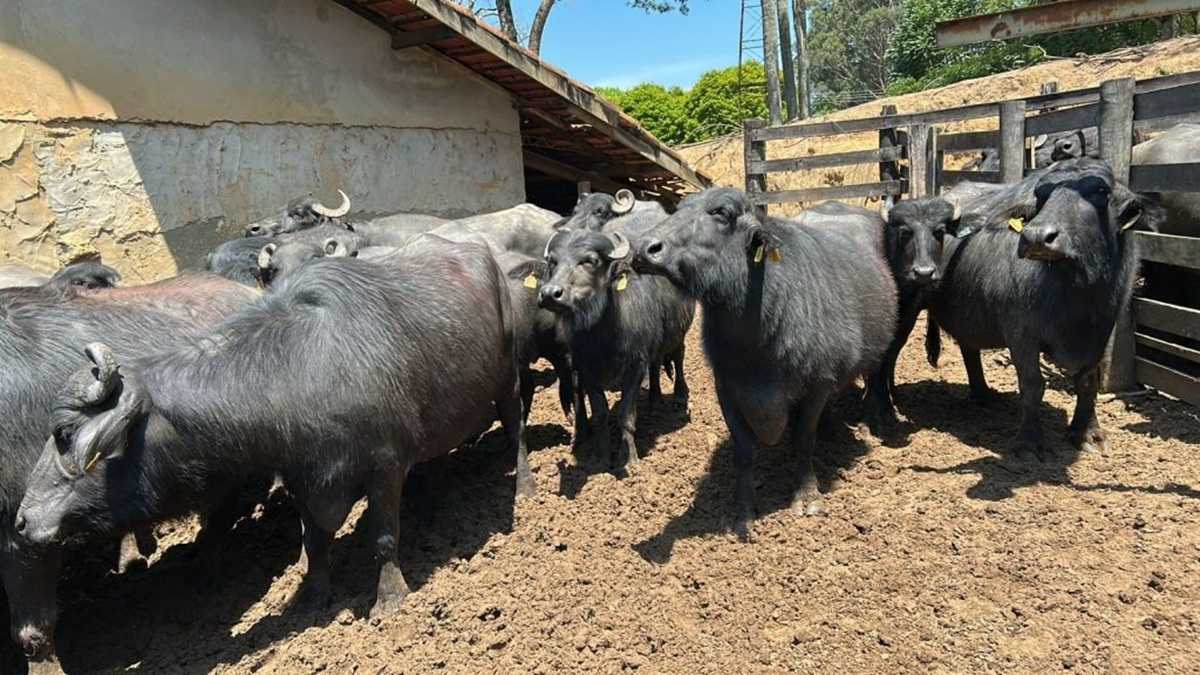


The First Farm in the Country to Genotype 100% of the Herd Invests in the Identification of Buffaloes with the B Allele of Kappa Casein, Seeking to Increase Yield and the Quality of Mozzarella Produced on Their Own Farm
Focusing on productive advancement and the economic expansion of the activity, Laticínio Família Rossato has become the first property in Brazil to genotype its entire herd with a focus on identifying animals with genetics favorable to higher buffalo cheese yield, the authentic mozzarella cheese.
The technique used was developed at the Institute of Animal Science, part of the Secretary of Agriculture and Supply of the State of São Paulo, and allows for the detection of one of the genes linked to increased milk yield for cheese, kappa casein.
The dairy farm specializes in producing buffalo milk derivatives and maintains a complete line of products, including yogurt, dulce de leche, mozzarella, fresh cheese, aged cheese, and smoked cheese.
-
Cashew Becomes Billion-Dollar ‘Superfood’ in Ivory Coast: 1.6 Million Hectares of Monoculture Encroach on Forests as Families Trade Food for Nuts

-
In Rural Brazil, José Sirval Operates a Water-Powered Mill Grinding 125 Kilograms of Corn Daily Using His Great-Grandfather’s Century-Old Monjolo
-
From Market Stall to Agribusiness: Patagonian Fruit Grower Owns 550 Hectares and Processes 18 Million Kilos of Pears and Apples Annually, Exporting Directly to Brazil
-
At 93, Brazilian Farmer Restores 56 Hectares of Forest and Revives Spring in the Amazon, Installs First Climate Tower in the Region


With regional and national awards, the Família Rossato has consolidated its performance in artisanal production and is now looking to further strengthen the quality of its cheeses.
Genetic Selection to Increase Yield
Producer Caio Rossato explains that the herd consists of 150 animals and that the goal is to genotype all of them to expand the selection of specimens with the BB genotype, related to milk most suitable for mozzarella production.
He states that the family is eager to advance in this selection and, in the future, increase both the yield and the quality of the products.
Currently, with 60 lactating buffaloes, the property achieves a daily milk production of 550 liters. According to Caio, this volume results in 16,000 liters per month and, consequently, 4,000 kg of cheese monthly. The expectation is that production will increase by about 10% in the coming years solely with the selection of animals carrying the kappa casein.
Genetic Expansion and New Perspectives
The producer also emphasizes that he wishes to see the work replicated on other farms, through the proven genetics of fundamental genes for the manufacture of derivatives. He notes that he already has two selected bulls in collection at the Novagen Buffalo Semen Center, intended for semen and embryo commercialization.
For Caio, the results are cause for celebration and reinforce the partnership with the Institute of Animal Science and the team of researcher Aníbal, considered pioneers in the study of kappa casein.
Research Expands the Improvement of Buffaloes
According to researcher Anibal Vercesi Filho, director of the Research and Development Division in Genetics and Biotechnology at the IZ, the created methodology directly contributes to the genetic improvement of buffaloes.
He reports that with the start of the Genetic Evaluation Program in Buffaloes conducted by ABCB, the demand arose for the study of genes capable of interfering in the quality and manufacturing process of cheeses.
The researcher states that 600 buffaloes belonging to ABCB-associated breeders were analyzed, allowing for the development and standardization of the methodology to genotype the CSN3 gene of kappa casein. He explains that animals carrying the B allele show greater yield in cheese production, reinforcing the importance of the work for the entire production chain.





As pesquisas deverão nortear sempre o trabalho dos criadores, incentivando e mantendo esses pesquisadores no Brasil.
Parabéns a todos !