Portuguese
  Spanish


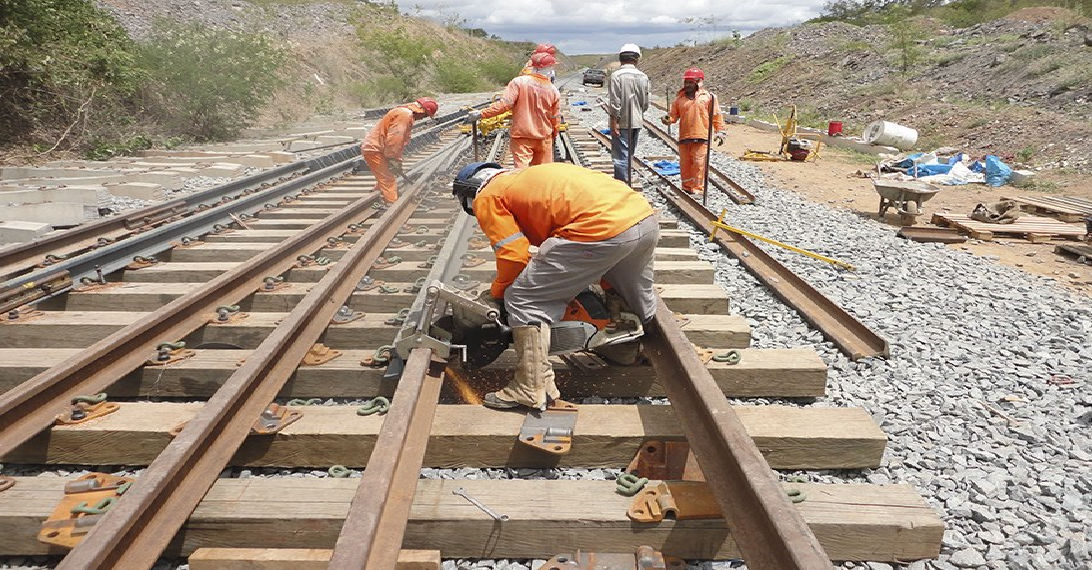

The Construction of the Section of the Minas-Espírito Santo Railway (EFMES) Is Closer to Being Realized
The construction of the Minas-Espírito Santo Railway (EFMES) is closer to being realized. The railway is planned to connect the Port Center of São Mateus, in the state of Espírito Santo, to Ipatinga, in Minas Gerais, with works expected to start in 2023. A total of 3,500 professionals will be hired to work on the construction of the network, with approximately two thousand vacancies in the state of Espírito Santo for various positions. See this news: In Paraná, approximately R$ 21.45 billion will be invested in the construction of two new railway segments
- Petrobras and the Government of Rio Will Sign an Agreement Next Friday (10/09) for the Transfer of Areas at Comperj
- New Armored Vehicle from the Army’s Engineering Corps May Revolutionize the Brazilian Mining Market
- Gasoline, Cooking Gas, and Ethanol Face New Price Increases, Raising Concerns Among Consumers Throughout Brazil
- Apple Partners with Toyota, LG, and SK Group to Produce Innovative Electric Vehicle
- European Multinational Offers More Than 200 Job Vacancies in RJ, SP, PE, BA, MG, and More for This September
The Construction of the Section of the Railway Between Minas Gerais and Espírito Santo
The company Petrocity Portos is seeking to build and operate a railway segment between São Mateus (ES) and Ipatinga, with an extension of 420 kilometers. The railway project aims to connect with the future private terminal to be installed by Petrocity, allowing for the transportation of grains and general cargo.
The expected investment in this new railway is around R$ 5 billion and should involve resources from foreign investors. The director of Petrocity, José Roberto Barbosa, who attended the ceremony in Brasília, explained that the intention is to connect the Steel Valley to the Capixaba municipality, where there is a project for the installation of the São Mateus Port Center (CPMS) by the same company. The project is awaiting environmental license approval from the State Institute of the Environment of Espírito Santo (Iema) to proceed.
-
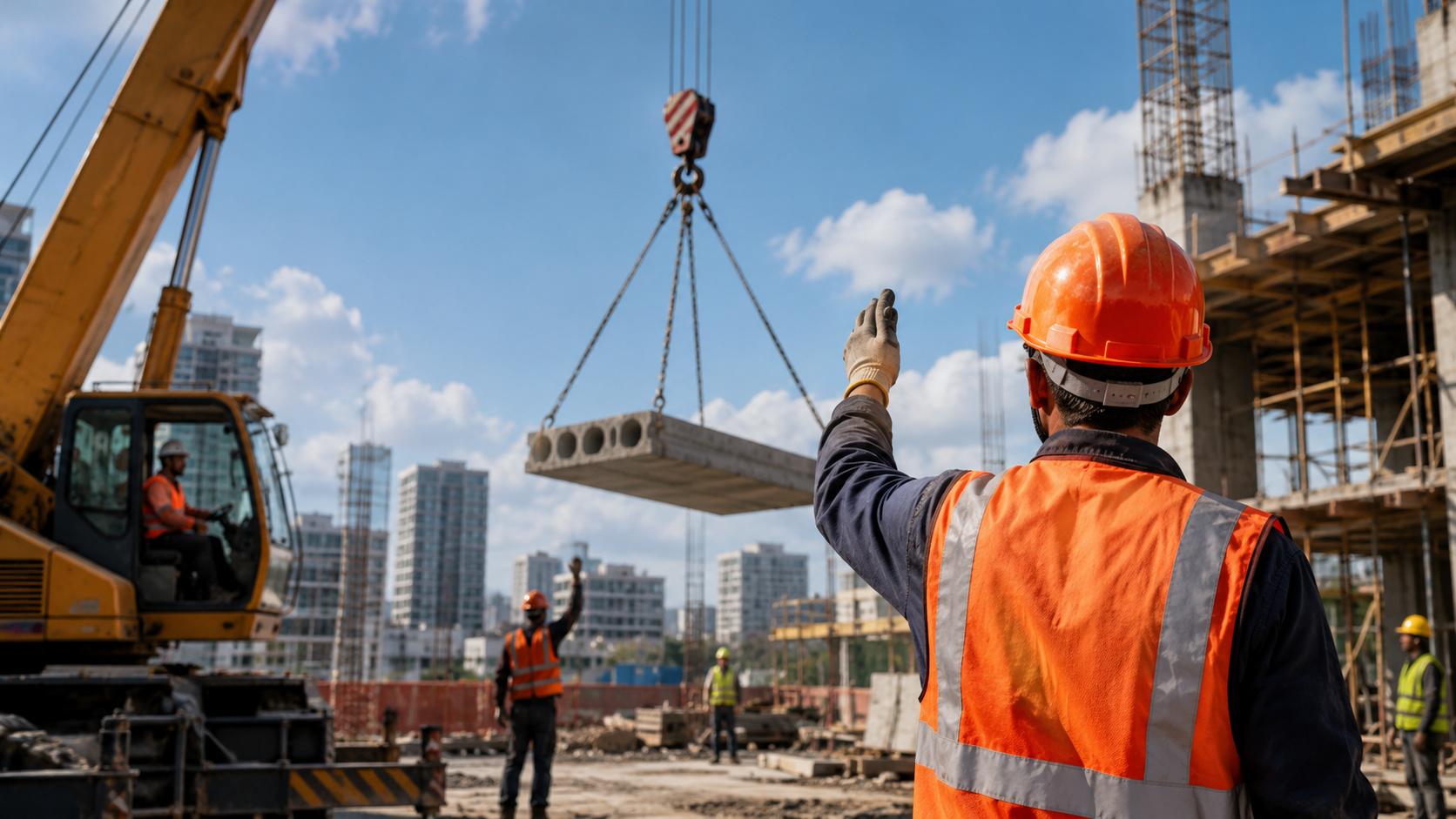
Why can the crane operator only obey the correct signalman on the construction site: among dozens of workers, a hand raised by the wrong person can confuse the maneuver and turn a load of tons into an immediate risk.

-
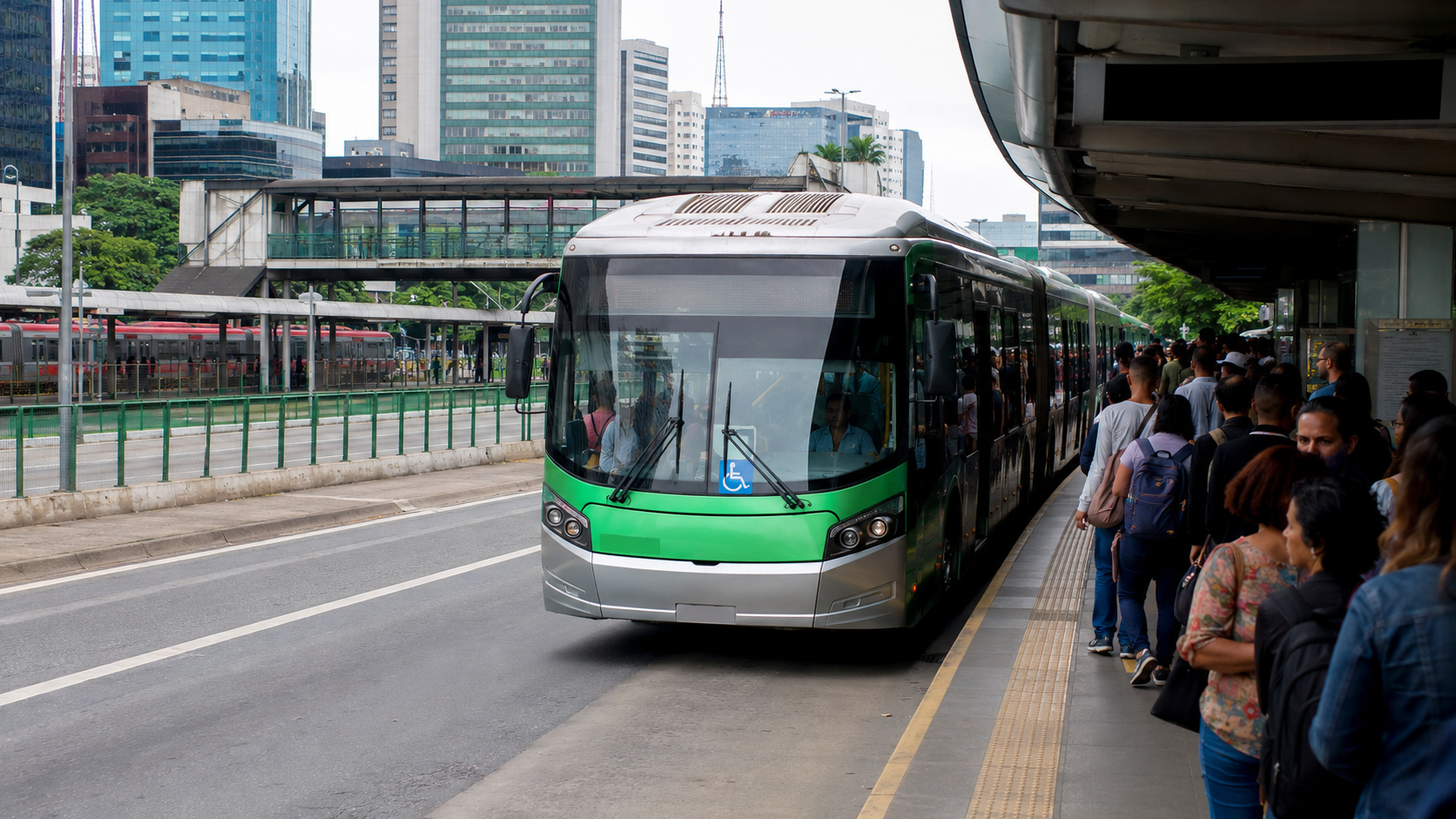
What changes with the new public transportation rules that can reduce pressure on fares and pave the way for zero fare in Brazil?
-
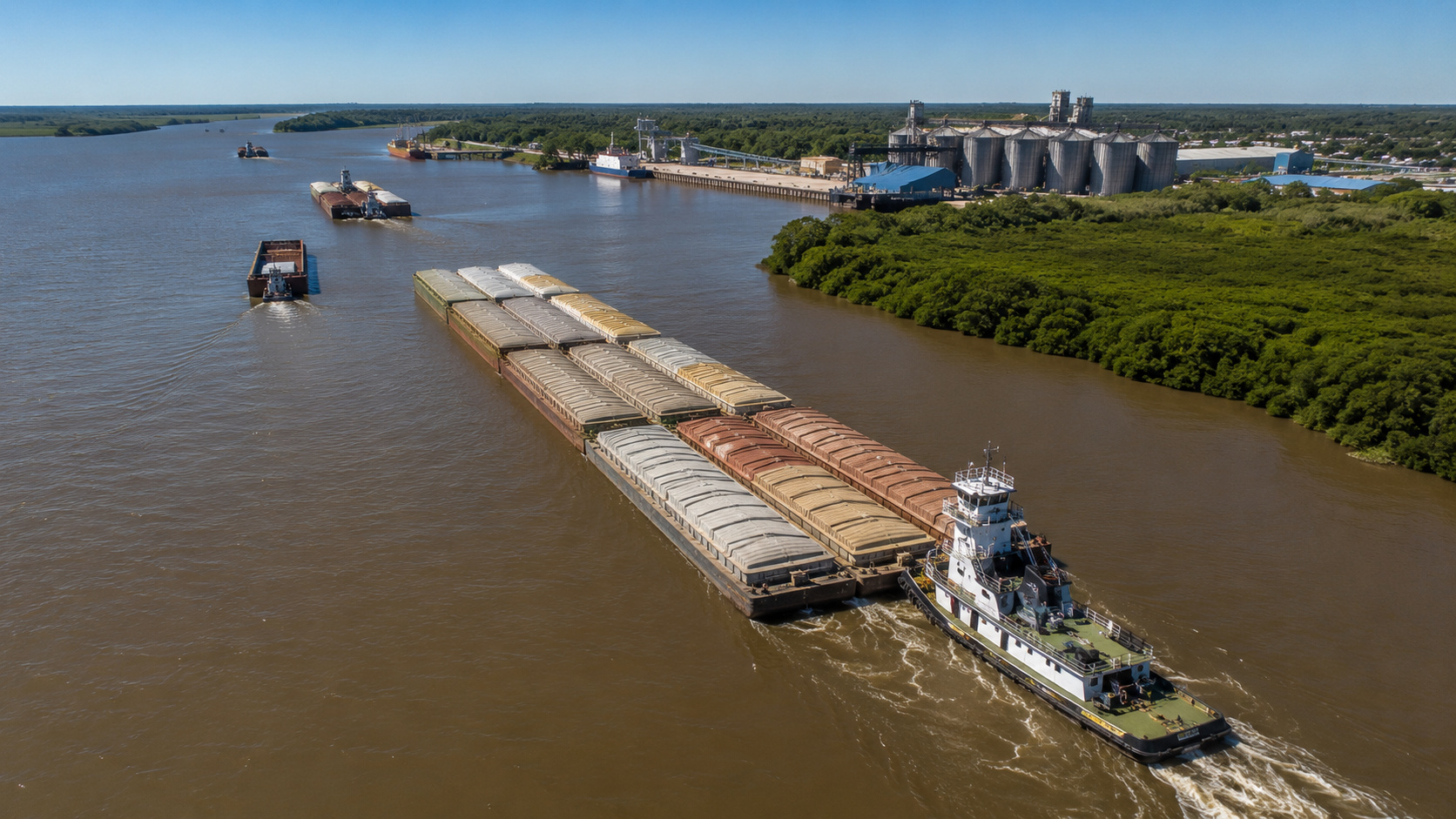
Argentina confirms Belgian giant to lead strategic Paraná River waterway and promises to reduce logistical costs on one of South America’s most important routes
-
MBRF surprises the logistics sector by demonstrating how Artificial Intelligence can directly influence deliveries throughout Brazil by reorganizing distribution routes in seconds, optimizing fleet usage, reducing logistics costs, and speeding up product arrivals even in the face of unforeseen road incidents.

The Minas-Espírito Santo Railway Project
The initial railway project foresees the construction of a new railway running alongside BR-381, passing through Barra de São Francisco, Nova Venécia, and Governador Valadares, according to Diário do Aço. The businessman explained that, in a second phase, there is also Petrocity’s plan for the railway to reach Sete Lagoas, bypassing the Serra do Tigre, which represents a bottleneck for railway transport between the Central-West region of the country and the ports of Espírito Santo.
José Roberto highlighted some professionals who will be hired for the construction works. According to him, hiring should begin in 2023. “There will be engineers and professionals to fine-tune the layout, among others. It ranges from high school to higher education,” the executive noted.
Also Read: R$ 26 Billion in Investments Are Expected for the Railway Sector in Minas Gerais, Generating Over 370,000 Jobs
The Governor of Minas Gerais, Romeu Zema (Novo), signed a decree to transfer the management of 19 railways in the state to the private sector. The expectation is to attract about R$ 26.7 billion for the railway sector. According to the Government, the operation of shorter lines, known as “shortlines,” could generate more than 370,000 jobs.
The goal, according to the Government, is to enable the first railway segment in the country to be managed under an authorization model, where a private company operates at its own risk. With this movement, the state of Minas Gerais is ahead of the National Congress, which has not yet approved the bill that allows this type of regime for federal railways. The Legislative Assembly of the State of Minas Gerais has already approved the model, with only the regulation pending, dispatched this Tuesday by Governor Romeu Zema. Minas has mapped 19 projects that could potentially be operated under the authorization model, with estimated investments of R$ 26.7 billion.