






 Portuguese
  Spanish



Plastic Is One of the Biggest Problems for the Environment, Taking 450 Years to Decompose; Thus, Researchers Developed a New Fuel: Plastic Gasoline, Which Can Be Made from Plastic Bags and Other Recyclable Materials
Researchers from India presented a method that transforms pieces of bags or bottle caps into a new fuel that could eventually replace gasoline. The goal is to develop plants that generate this new energy source for vehicles. The most common synthetic polymers, known as plastics, are obtained by processing natural gas or petrochemical naphtha.
Read Also
Learn How Plastic Gasoline Is Made


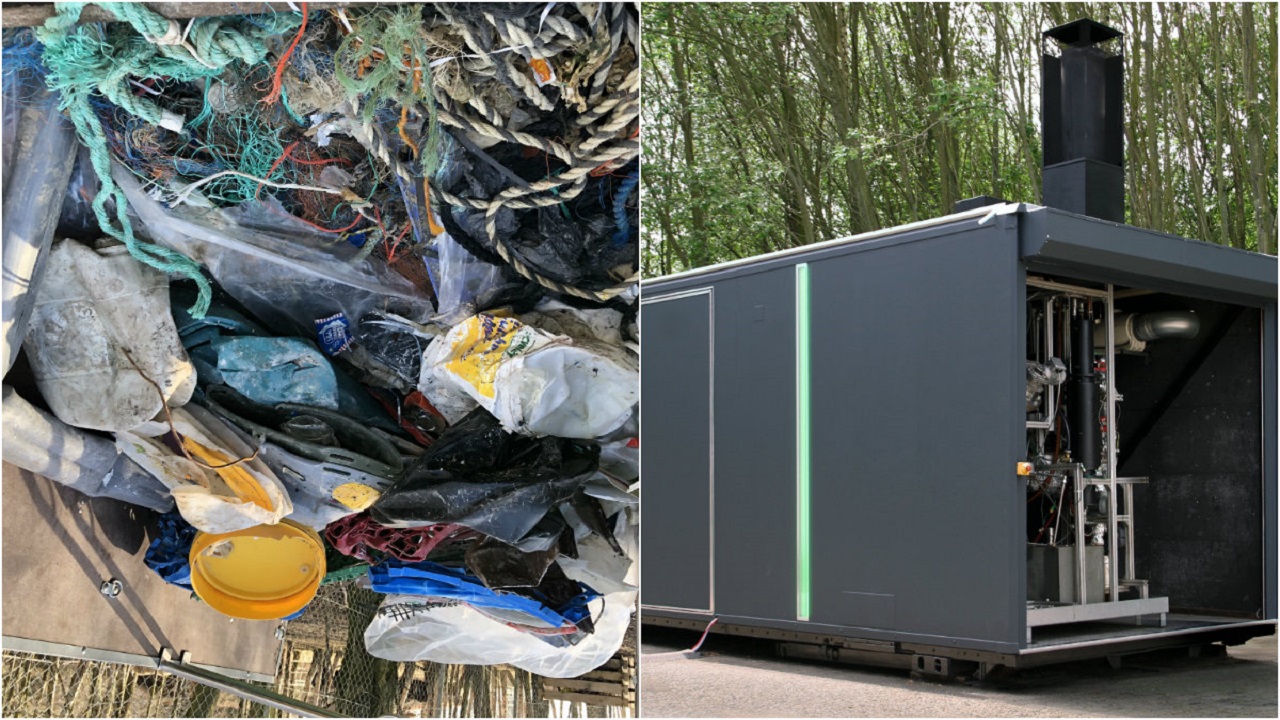
The recycling of thermoplastic polymers typically involves heating and remolding them. Thus, some plastic bags can turn into a small carpet or pot. However, there are other opportunities, such as developing plastic gasoline. Since thermoplastic polymers are macromolecules of carbon, breaking these chains under specific pressure and heat conditions, which in this case is 500° C, generates molecules similar to those made in oil refineries for fuel production.
According to Achyut Kumar Panda, a researcher at Centurion University of Technology and Management Odisha in India, the technique for making plastic gasoline requires a reactor, which is the pyrolysis unit, as well as a condenser for the plastic fraction.
-
Petrobras Begins Drilling Controversial Oil Well in Brazil’s Equatorial Margin Near the Amazon River Mouth

-
Petrobras Sets Record with 2.66 Million Barrels Per Day in Brazil’s Pre-Salt Oil Production
-
Petrobras to Double Natural Gas Supply in Northeastern Brazil with New Investment
-
Petrobras Approves $1.2 Billion Refinery in Brazil to Produce Aviation Fuel and Diesel from Plants


The process uses low-density polyethylene, which is also used in components of notebooks, computers, packaging, and other objects. According to the researcher, most thermoplastics can be recycled using this method.
One Kilogram of Plastic Produces 700 Grams of New Fuel
According to the researcher, for every kilogram of plastic used in the process, it is capable of producing 700 grams of the new liquid fuel. Cooking the material also generates gases and a certain amount of solid waste.
The authors of the research aim to advance their work to develop an efficient method for the chemical recycling of plastic, with the goal of using this method for the large-scale production of plastic gasoline, where the new fuel could be generated from a larger quantity of plastic at a more affordable price.
The latest results published were significantly better than when they started studying the technique about six years ago. Since then, the researchers have tested various catalysts and conditions, reaching an efficiency of 70%.
New Fuel Made from Plastic Is Already Being Produced in Brazil
According to Mauricio Mascolo, a Chemical Engineer responsible for some units that use the method, both here and abroad, current plants are small, capable of producing only 1.0 thousand m³ per month. In Paraguay, there is a unit capable of producing 5 thousand m³ per month.
According to the engineer, post-consumption plastic waste is used, but only polyethylene, polypropylene, and polystyrene plastics, which have ideal physicochemical properties for the new fuel’s production, as they contain only hydrogen and carbon in their chain, without the traditional petroleum contaminants like nitrogen and sulfur.
Mauricio states that it is not a method intended to impact or resolve an energy chain, but rather serves as a clean and sustainable way to recycle waste, especially plastic, which has received a lot of negative attention lately. There are other ways to utilize pyrolysis, such as Fischer Tropsch, to generate hydrogen and synthesis gas and also gasification for electricity generation.


