Portuguese
  Spanish


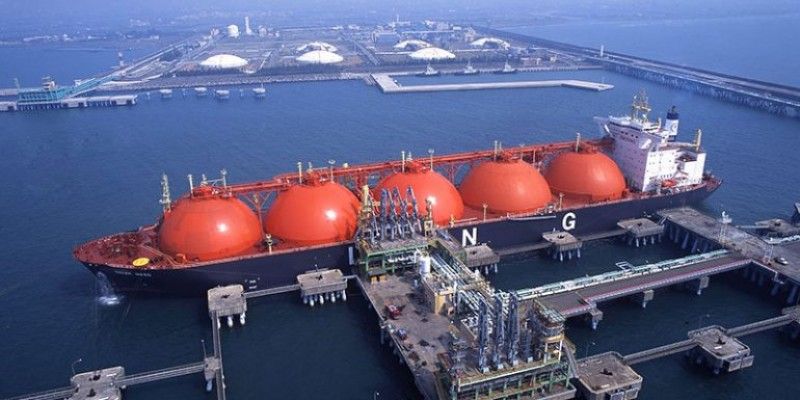

Golar Power Is Competing to Buy A LNG Terminal from Petrobras in The State of Bahia
The liquefied natural gas and energy company Golar Power is competing to buy a liquefied natural gas (LNG) terminal from Petrobras in the state of Bahia in the northeastern region, according to the company’s CEO who stated on Thursday (27).
Read Also
- Brazilian Shipyards Can’t Compete with China
- Enseada Shipyard Launches New Brand and Will Compete Again in The Naval Industry
- Port of Suape and Terminal in Bahia Will Receive LNG Imported by Golar Power
- Golar Power Wants to Build Ships to Transport Its Liquefied Natural Gas (LNG)
Previously, Golar Power also announced in March the signing of a memorandum of understanding with the government of Pernambuco to invest BRL 1.8 billion in an LNG terminal in Suape.
Golar Power Is Investing in A Series of Projects in Brazil Betting on The Use of LNG
Liquefied natural gas (LNG), which in liquid form does not require pipeline transport, could become a substitute for diesel in Brazil, among other applications. Twelve companies, including the Brazilian branches of major oil companies Shell, Total, and BP, are competing in the bidding process in Bahia organized by Petrobras, as the Brazilian state oil company is known.
-
Northern Brazilian ports surpass the South as the country’s largest grain corridor amid record harvest

-
Amazon launches its own brand in Brazil a week before Prime Day, following a $3.7 billion investment and the establishment of over 300 distribution centers nationwide by 2025.

-
Trump’s 50% Tariff on Brazilian Goods Cuts U.S. Exports by 30%, Brazil Sets Records in 42 Countries and Germany Becomes Top Coffee Buyer
-
Brazil Harvests Record 358 Million Tons of Grain but Lacks Storage for 134 Million Tons


Petrobras Is Trying to Reduce Its Participation in The Oil and Gas Industry
The company is trying to reduce its participation in the natural gas industry in Brazil, as agreed with the antitrust agency known as Cade.
The terminal, an island-type pier, has the capacity to process 20 million cubic meters of LNG per day and is being leased with a 45-kilometer pipeline.
Finally, Golar reported that the imported LNG will have potential markets serving free gas consumers, such as large companies, and the state natural gas distributor in Bahia, in addition to thermoelectric projects and other gas distributors connected to the pipeline network at the Suape terminal.