Portuguese
  Spanish


Brazil Advances In Sustainability: Federal Government Defines Crucial Guidelines To Decarbonize Oil And Gas Production
President Luiz Inácio Lula da Silva officialized yesterday (9/2), through a publication in the Official Gazette of the Union, the guidelines of the National Energy Transition Plan. This plan, which was presented on the last 8/26 during a meeting of the National Energy Policy Council, led by the Minister of Mines And Energy, Alexandre Silveira, aims mainly at the decarbonization of oil and natural gas exploration and production activities.
The proposal aims to, through a commitment to reducing greenhouse gas emissions, establish a platform that encourages the green economy. This project has the potential to attract R$ 2 trillion in investments and generate 3 million jobs over the next 10 years.
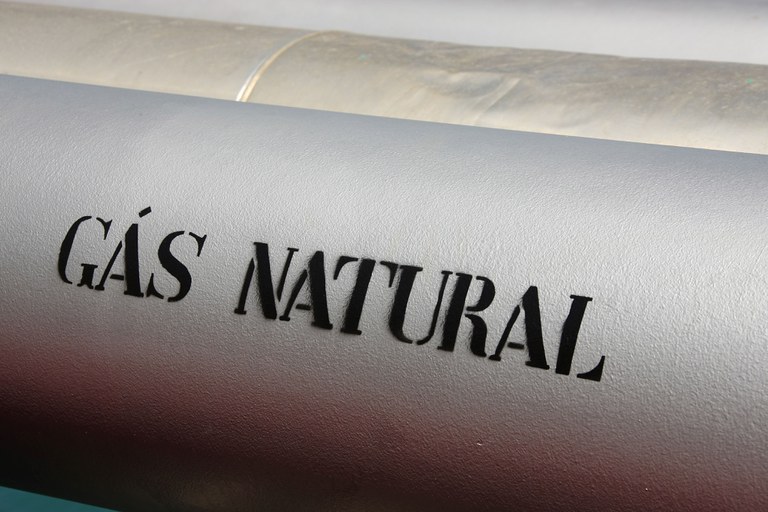
“We cannot waste the importance of this movement called energy transition. This country has already missed many opportunities, and we cannot let that happen again. We need to value the natural resources we have, in addition to counting on a qualified workforce and skilled technicians. The Brazilian energy sector has countless competencies, and we are capable of achieving great feats“, stated the president on the occasion.
-
OPEC+ Boosts Oil Supply by 188,000 Barrels per Day in July 2026, Leading to Price Drop from $112 to $89 per Barrel in Under Two Months

-
TotalEnergies Signs 20-Year Deal to Purchase 2 Million Tons of LNG from Alaska, Boosting Project Viability
-
Turkey Deploys Çağrı Bey Drilling Ship to Explore New Oil Frontier Off Somalia’s Coast
-
Golden Pass LNG Ships First Liquefied Gas Cargo from the U.S., Completing $10 Billion QatarEnergy and ExxonMobil Investment


The minister Silveira also highlighted the relevance of these actions, mentioning energy sources such as wind, solar, hydro, biomass, biodiesel, ethanol, green diesel, carbon capture and storage, sustainable aviation fuel, and green hydrogen.
“This is the rebirth of the Brazilian industry on sustainable bases. It is about adding value to Brazilian products, produced with clean and renewable energy, and seizing opportunities to enhance the use of our local content“, he emphasized.
The published guidelines reiterate the objectives of decarbonization and ecological transition and establish concepts that will guide the strategies of Petrobras, its subsidiaries, and the National Petroleum Agency. These entities shall monitor new practices and ensure transparency in information regarding the environmental impacts of oil and gas production activities.
Check Below the Full Dispatch
DISPATCH FROM THE PRESIDENT OF THE REPUBLIC
MINISTRY OF MINES AND ENERGY
Exposition of Reasons
No. 40, of August 26, 2024. Resolution No. 8, of August 26, 2024, of the National Energy Policy Council – CNPE. Approved. On September 2, 2024.
NATIONAL ENERGY POLICY COUNCIL
RESOLUTION CNPE No. 8, OF AUGUST 26, 2024
Establishes guidelines for promoting the decarbonization of oil and natural gas exploration and production activities.
THE PRESIDENT OF THE NATIONAL ENERGY POLICY COUNCIL – CNPE, in the exercise of its attributions, considering the provisions of art. 2 of Law No. 9,478, of August 6, 1997, in art. 9 of Law No. 12,351, of December 22, 2010, in art. 1, item I, and art. 2, § 3, item III, of Decree No. 3,520, of June 21, 2000, in art. 5, item III, and in art. 17, caput, of the Internal Regulations of the CNPE, approved by Resolution No. 14, of June 24, 2019, in the deliberations of the 1st Extraordinary Meeting of the CNPE, held on August 26, 2024, and what is contained in Process No. 48380.000187/2023-45, resolves:
Art. 1 It is established that it is of interest to the National Energy Policy to mitigate greenhouse gas emissions from oil and natural gas exploration and production projects.
Single paragraph. In implementing the Policy, the following guidelines must be observed:
I – promote technological development, encouraging the creation and adoption of new decarbonization technologies for oil and natural gas exploration and production activities;
II – minimize the burning of natural gas and maintain zero routine burning;
III – reduce methane and carbon dioxide emissions, observing the commitments made in the United Nations Framework Convention on Climate Change and the Global Methane Commitment, related to oil and natural gas exploration and production activities;
IV – adopt the best practices and technologies that reduce greenhouse gas emissions from activities;
V – encourage the full utilization of the installed infrastructure capacity, through sharing, in order to minimize greenhouse gas emissions from activities; and
VI – prioritize the adaptation of large-scale projects with greater potential for greenhouse gas emissions.
Art. 2 The National Agency of Petroleum, Natural Gas and Biofuels – ANP and the Brazilian Oil and Natural Gas Administration Company S.A. – Pré-Sal Petróleo S.A. – PPSA must, within the scope of the management of concession and production sharing contracts, within their respective competences, analyze the best development options, also considering the reduction of the carbon intensity of the asset’s life cycle, as well as the adoption of mitigative measures for greenhouse gas emissions.
§ 1 ANP and PPSA must promote broad transparency of the greenhouse gas emissions indicators of oil and natural gas exploration and production projects.
§ 2 ANP must adopt measures that contribute to the reduction of greenhouse gas emissions from oil and natural gas exploration and production activities, including fugitive methane emissions.
Art. 3 The Energy Research Company – EPE shall, with the support of ANP and PPSA, observed art. 1, single paragraph, item VI, propose the adoption of measures to incentivize the decarbonization of oil and natural gas exploration and production activities, presenting to the National Energy Policy Council – CNPE a study containing decarbonization scenarios and the impacts associated with the proposed measures, within 180 (one hundred and eighty) days as of the publication date of this Resolution.
Art. 4 This Resolution comes into effect on the date of its publication.