Portuguese
  Spanish


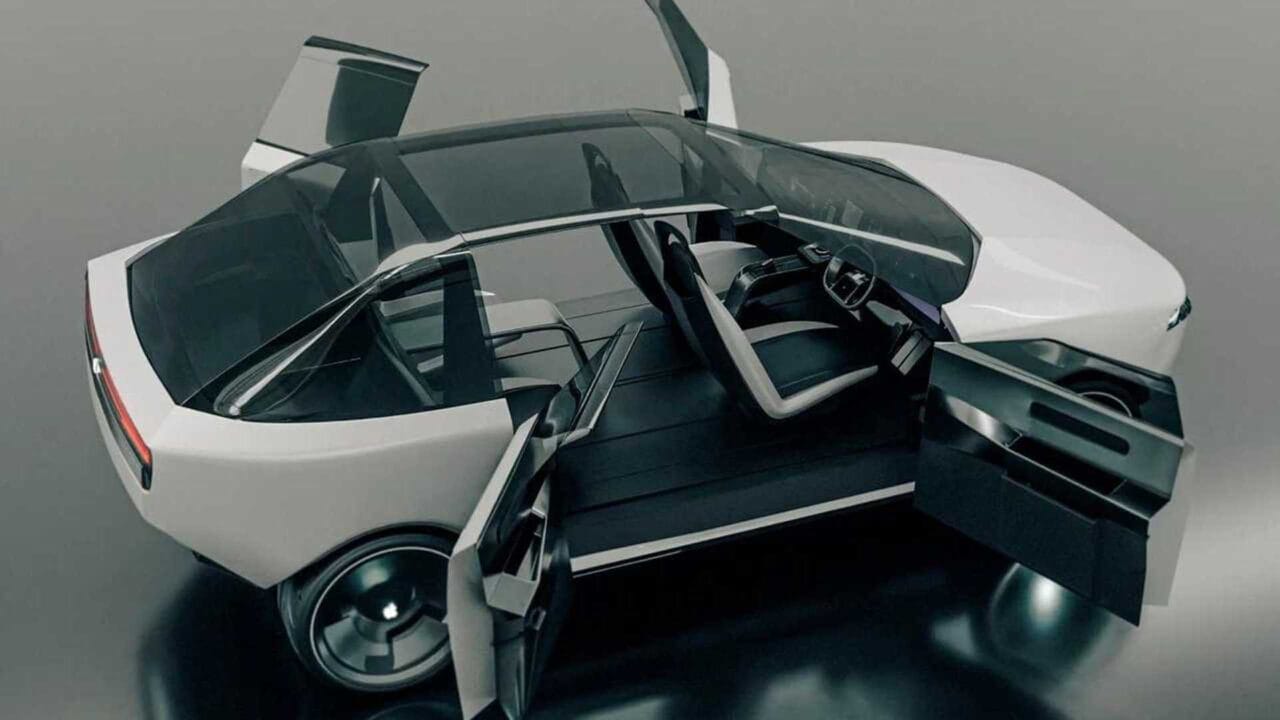

To Succeed in the Automotive Market, Chinese Giants Have Realized the Importance of Establishing Partnerships with Established Manufacturers. Mutual Collaboration Is Essential for Expansion and Innovation in the Sector.
To Manufacture Your Electric Vehicle, However, It Needs Partners. Not So Much Those Linked to Technology, Since Cupertino Has All the Skills to Develop Innovative and Reliable Software, but Those Linked to Production, as Establishing Factories to Manufacture Cars Is a Complex Matter. Xiaomi and Huawei Have Understood This… and Responded Successfully.
According to Experts, If Apple Is Able to Launch Its Electric Vehicle, It Could Boost Sales of Its Core Products, Such as iPhones, Macs, and Other Devices.
This Strategy May Have a Positive Effect on the Company’s Sales.
-
Brazilian Factory Restores Truck Engines and Parts, Reducing Raw Material Use by Up to 85% After 80 Years in Business

-
British Marines Set Record by Changing Ford Escort Engine in 42 Seconds, Unbroken for 40 Years

-
BYD Owners in Brazil Raise Concerns Over Warranty After 87,000 km, Two Repairs in Three Days, and Over $500 in Costs

-
Classic Volkswagen Beetles of Brazilian Presidents to Swap Museums in Historic Partnership


Impact of Debut in the Automotive Field on Sales of Smartphones and Consumer Electronics
The Introduction to the Automotive Market Also Seems to Be Boosting Sales of Smartphones and Other Consumer Electronics. The Ability to Offer Modern Connected Electric Cars Convince Customers That the Company in Question Is a Guarantee of Quality Across All of Its Products.
The Sales Figures in China Confirm This Trend. While Apple Experienced a 4% Decline in Annual Sales in the First Two Weeks of October, Huawei and Xiaomi, on the Other Hand, Experienced Increases of 66% and 28%, Respectively.
The Company Huawei, for Example, Developed the SUV Model M7 in Collaboration with Aito, Resulting in More Than 80,000 Orders in Just 50 Days. Furthermore, Huawei Is Also Partnering with Other Car Manufacturers to Accelerate the Adoption of Its Technology for Electric Vehicles in the Market. The Launch of the Avatr 12 and Luxeed S7 Models Should Be Interpreted in Light of These Partnerships. Meanwhile, Xiaomi, Which Is About to Enter the Market for Electric Vehicles, Is Negotiating with Various Chinese Manufacturers Aiming to Establish Equally Successful Partnerships.
If the Cupertino Giant Wants to Develop an Electric Car, It Can Look to Chinese Competitors That Are Standing Out in This Sector. Apple Has Been Facing Challenges and Difficulties in Developing Its Titan Project, but Companies Like Huawei and Xiaomi Have Demonstrated That It Is Possible to Succeed in This Market.
While Apple Faces Hurdles in Its Plans for an Electric Car, Chinese Technology Giants Are Demonstrating How to Enter and Stand Out in the Challenging Four-Wheeled Vehicle Sector. **Tim Cook, CEO of Apple, Could Draw Inspiration from These Companies to Overcome Challenges and Create a Successful Electric Car**.
Source: Insideevs Uol