Portuguese
  Spanish


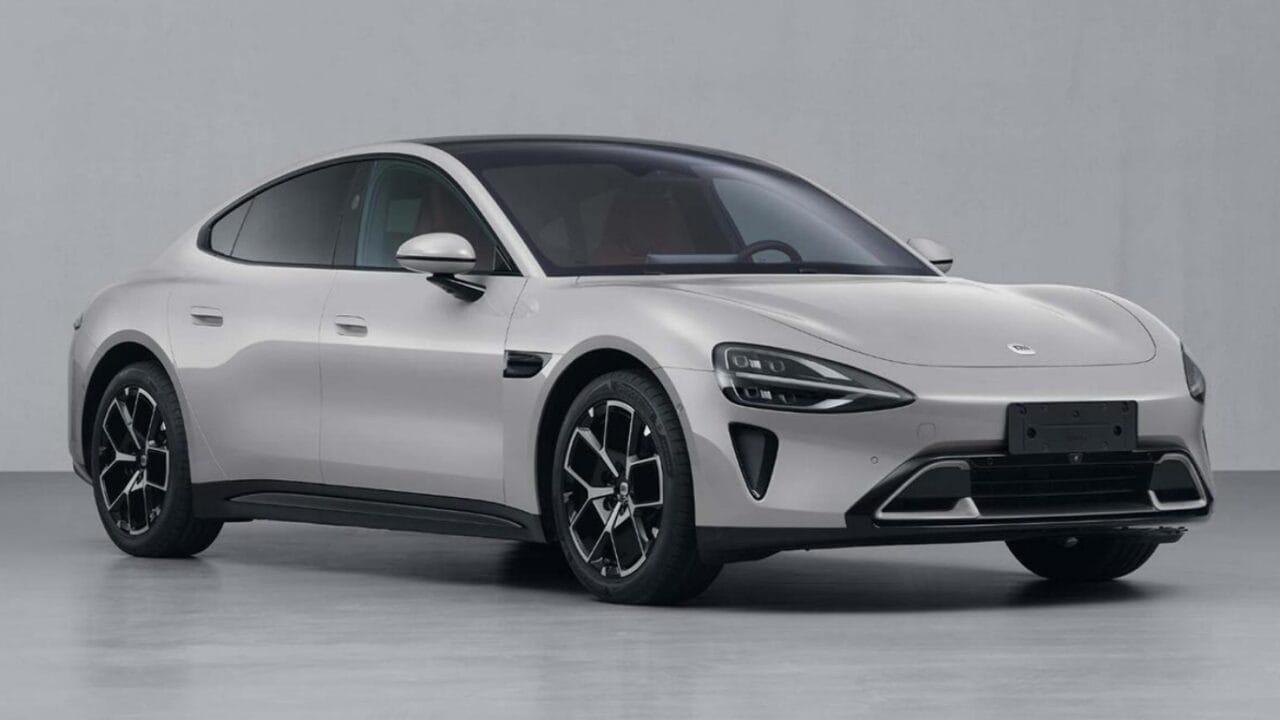

New Electric Sedan SU7 From Xiaomi Will Soon Arrive in the Automotive Market and Promises to Leave Chinese Manufacturers Behind. Xiaomi’s New Electric Car Reaches Up to 210 km/h.
Widely recognized in the smartphone market, Xiaomi is getting closer to launching its first electric car in China. The electric sedan from the giant will be named SU7, and some details were recently released by MIIT, the Ministry of Industry and Information Technology of China.
Xiaomi’s Electric Car Delivers Up to 675 Horsepower
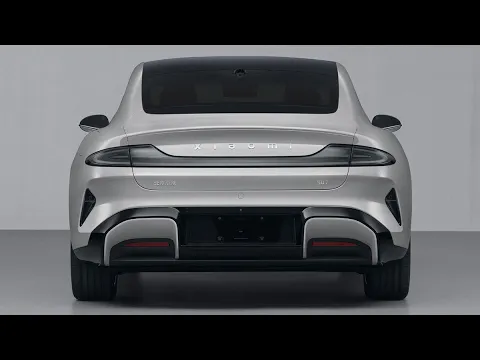

The company is awaiting approval of the sales license for its SU7 sedan from the regulatory body. The electric car from Xiaomi, previously known by the codename MS11, will have at least three versions, called SU7 sedan, SU7 Pro, and SU7 Max. The vehicle measures almost 5 m in length, has a wheelbase of 3 m, and will be offered with Lidar sensor as an option.
Although it has not been officially confirmed, the Xiaomi electric car will likely also feature facial recognition unlocking. Regarding its power, Xiaomi’s electric sedan will come with two entry-level options with rear-wheel drive and an 220 kW motor, equivalent to 300 horsepower, and the more powerful option, delivering up to 495 kW, about 675 horsepower, with dual motors and all-wheel drive.
-
Brazilian Factory Restores Truck Engines and Parts, Reducing Raw Material Use by Up to 85% After 80 Years in Business

-
British Marines Set Record by Changing Ford Escort Engine in 42 Seconds, Unbroken for 40 Years

-
BYD Owners in Brazil Raise Concerns Over Warranty After 87,000 km, Two Repairs in Three Days, and Over $500 in Costs

-
Classic Volkswagen Beetles of Brazilian Presidents to Swap Museums in Historic Partnership



The first version weighs around 1,980 kg and reaches up to 210 km/h, with its maximum speed being limited. The automotive software running in Xiaomi’s electric car is HyperOS, the system developed by Xiaomi itself, which will be used in the brand’s cars and smartphones in the future.
New Electric Sedan from Xiaomi Will Arrive in 2024
It is worth noting that the SU7 sedan will not be produced by Xiaomi but rather by Beijing Automotive Industry Holding Co. Ltd (BAIC). Mass production starts in December 2023, with deliveries scheduled for February 2024. There are currently no indications of a launch in other countries. In China, every car must be approved by regulators before reaching the market.
The difference is that MIIT publishes the list of models that go through the approval process, revealing photos and specifications of electric cars that have not yet been launched. Xiaomi announced in 2021 that it would enter the electric car market. At the time, the company stated that it planned to invest around US$ 1.4 billion in the project. In August of this year, Xiaomi also registered the domain XiaomiEV.com.
Xiaomi Launches Electric Sport Sedan
In addition to the SU7 sedan, Xiaomi announced in September the SSC SC-01, an electric sports car with features reminiscent of classic combustion models. In Chinese, the electric sedan is called XiaoPaoChe, which loosely translates to something like little sports car.
Thus comes the acronym SSC (Small Sport Car). The vehicle weighs only 1,370 kg due to its tubular steel chassis. Therefore, the 431 horsepower and the all-wheel drive provided by two electric motors are sufficient to take Xiaomi’s electric car from 0 to 100 km/h in just 3.5 seconds.
The batteries of Xiaomi’s electric car have a capacity of 60 kWh, with a declared range of 520 km and charging from 30% to 80% done in 25 minutes. The 18-inch wheels are accompanied by Michelin Pilot Sport Cup2 tires. The disc brakes feature six pistons at the front and four at the rear. According to Xiaomi, it is a setup superior to that of the Porsche 911 GT3. The dynamics of the electric car are further enhanced by the dampers, pushrod suspension, and steering column with aluminum joints.