Portuguese
  Spanish


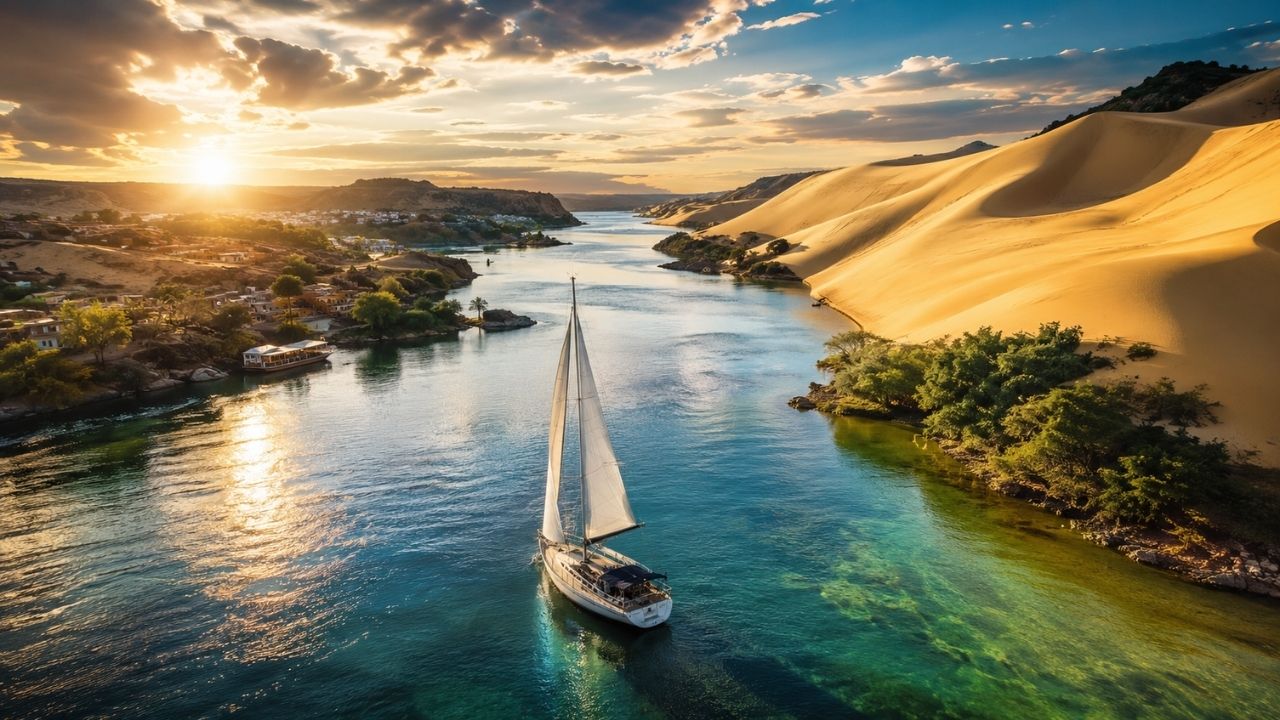

On the São Francisco River, a sailboat crossing between dunes, transparent water, and hidden villages showed traditional canoes, water hyacinths, channels, and rare anchorages. The route, difficult since reports from 1587, requires local help, caution with shallow banks, and reveals a silent Brazil between history, fishing, and nature.
The São Francisco River became the setting for a crossing marked by extensive dunes, transparent water, narrow channels, traditional canoes, and hidden villages. Sailor Adriano Plotzki, from the HashtagSal project, navigated with Ana and other crew members after leaving Aracaju towards the mouth of the São Francisco, between Sergipe and Alagoas.
According to information shown by the Hashtag Sal channel on YouTube, the journey, recorded during the ascent through the lower São Francisco, revealed a stretch where beauty coexists with navigation obstacles. Water hyacinths drifting with the current, shallow banks, lack of detailed mapping, and the historical memory of a bar considered difficult since 1587 turned the route into a rare experience on the Brazilian coast.
An arrival marked by dunes, silence, and a sense of isolation
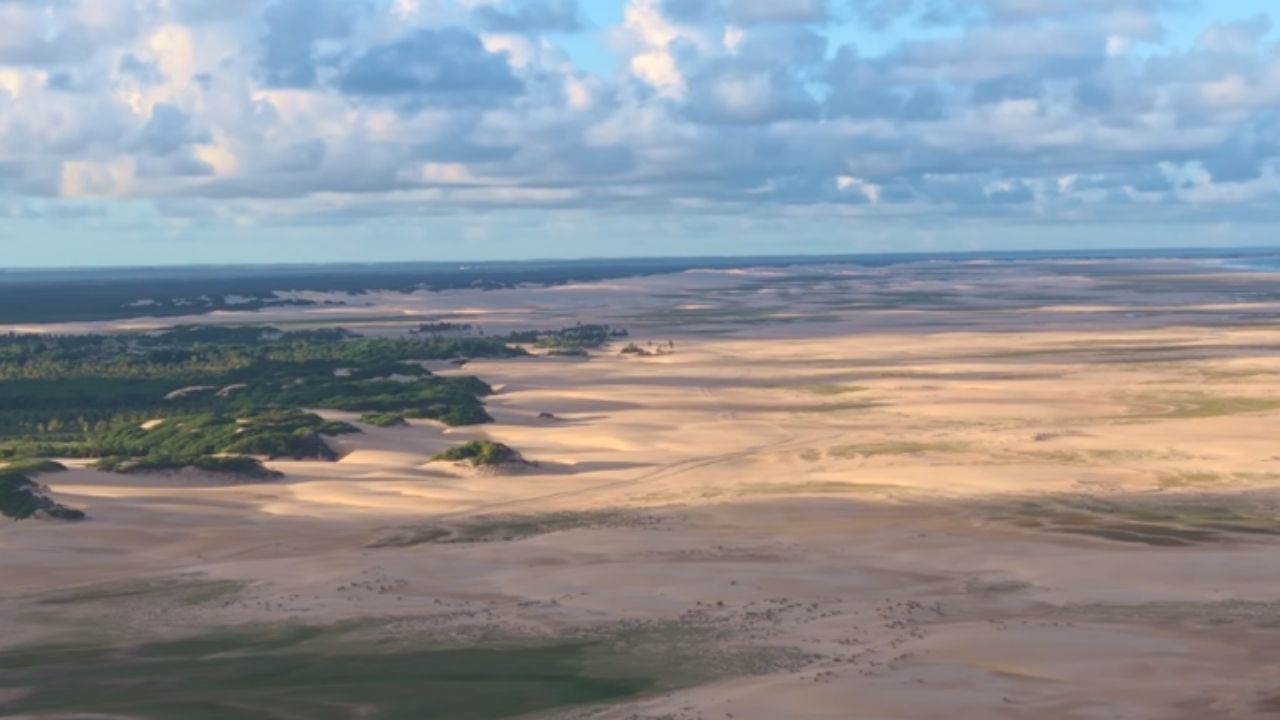
The entrance to the São Francisco River first revealed the visual strength of the mouth. The dunes appeared as a vast, almost empty scene, with sand stretching as far as the eye could see. For those on the sailboat, the landscape seemed to blend coast, desert, and river into one frame.
-
From Shoeshine Boy to Billionaire: How a Brazilian Entrepreneur Built a Soy Empire Generating Over $1 Billion Annually

-
For nearly 35 years, a famous luxury hotel in the United States concealed a secret bunker with a 25-ton door, over a thousand bunks, a dining hall for 400, and space designed to save the entire Congress from nuclear war.

-
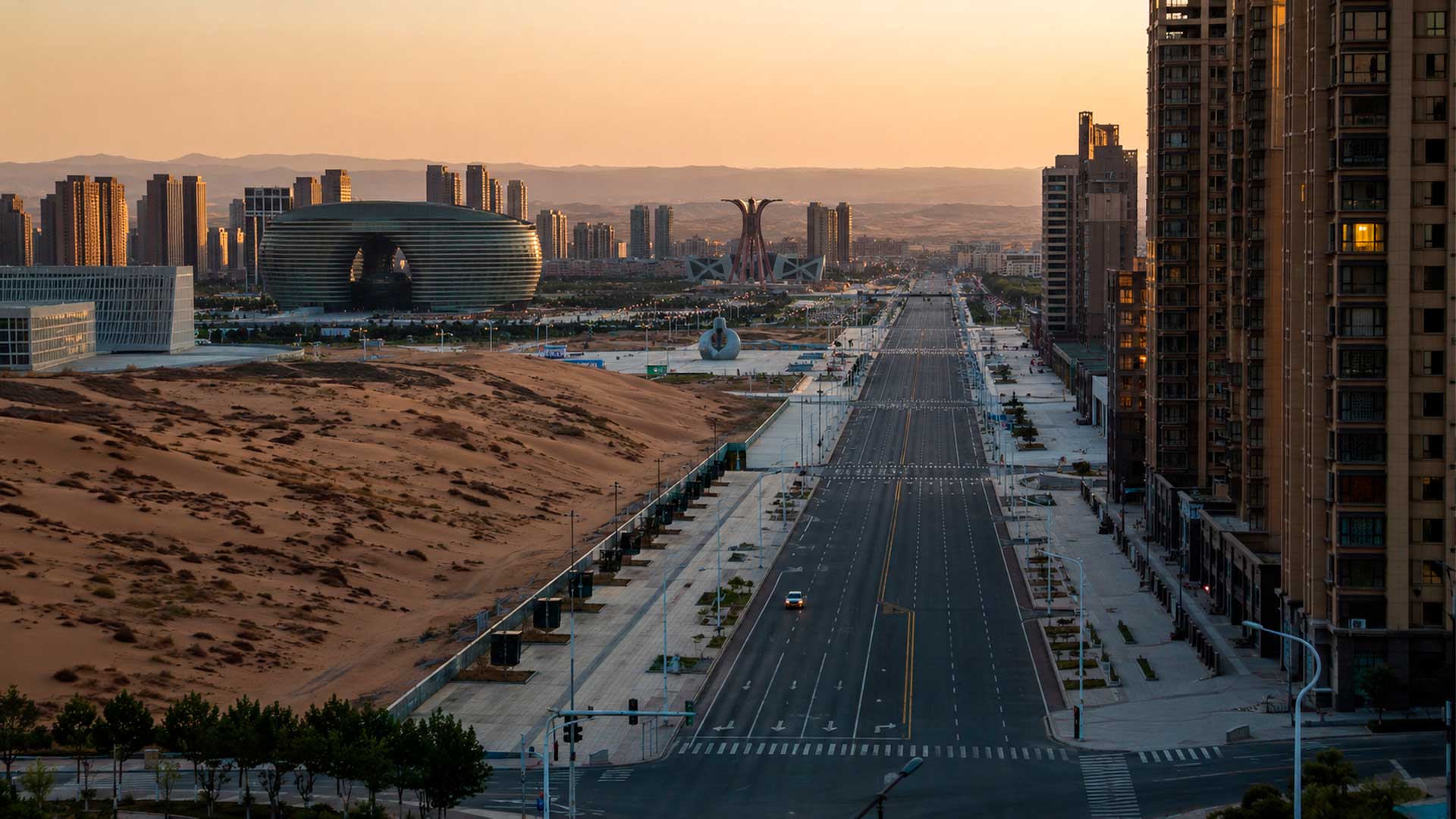
China Invested 17 Billion Yuan to Build a Desert City with Museums and Theaters for 1 Million, but Only 28,000 Moved to Kangbashi Initially

-
Mother and Daughter Convert Small Garage into Full Apartment to Save Money and Stay United



At night, the feeling was even stronger. With few signs of human presence, without the urban rhythm and almost without cell connection, the group experienced a rare pause in front of nature. The silence, at this point of the journey, seemed to be part of the landscape itself.
River known for art also appeared as a physical experience
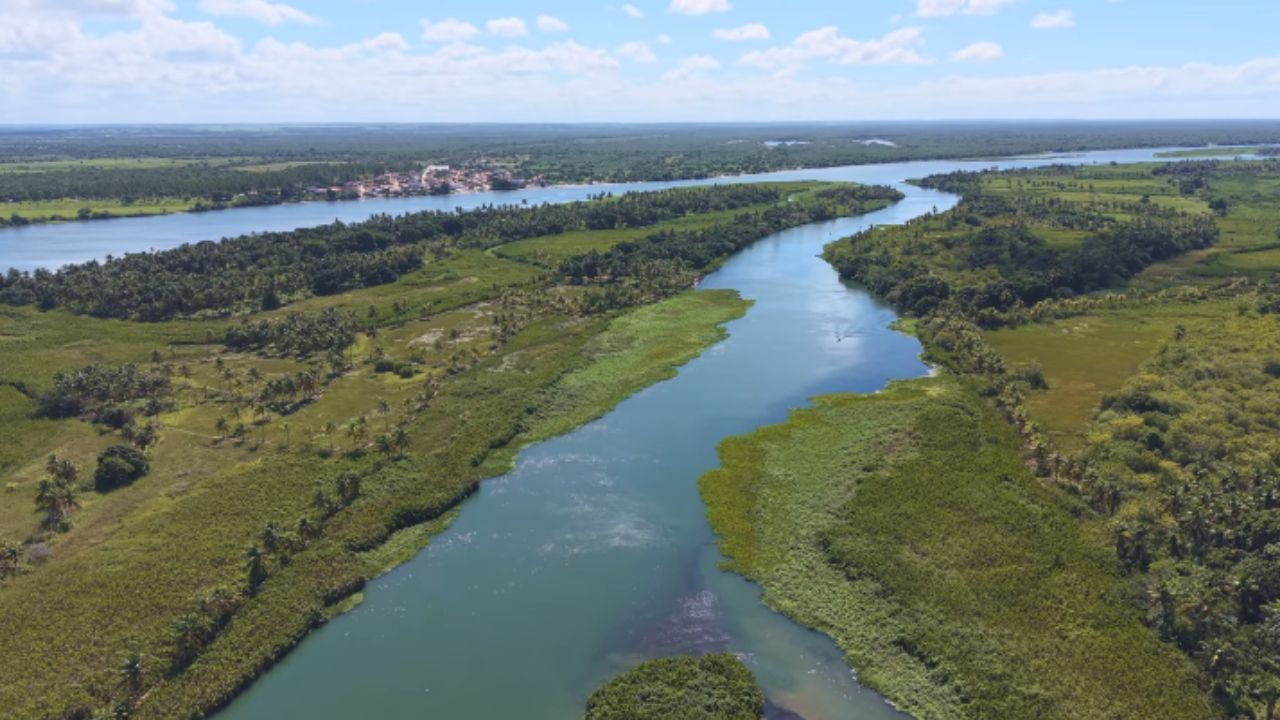
The São Francisco River did not emerge solely as a nautical destination. In the travel account, it also appeared as a cultural symbol, cited for its presence in music, literature, cinema, and visual arts. The river has inspired names like Castro Alves, Luiz Gonzaga, Sá and Guarabyra, Guimarães Rosa, Glauber Rocha, and Cândido Portinari.
This historical layer helped to amplify the impact of navigation. Being at the mouth, in front of the dunes and the water, brought the sensation of touching a part of the Brazilian imagination. The river was not just a path: it was memory, landscape, and character at the same time.
Route requires attention due to shallow banks and floating plants
Navigation through the lower São Francisco was not treated as a simple tour. At various times, the sailboat had to deal with variable depths, shallow sections, and changes in the current. In some points, the depth dropped to about 3 meters, requiring constant attention from those on board.
Another challenge was the water hyacinths, also known as aguapés in other regions. These plants float down the river in blocks and can accumulate on the anchor or hinder movement. Even without turning the route into extreme danger, they require care from those navigating there.
Barra was already described as difficult since 1587
The difficulty of entering the São Francisco River is not a recent perception. The region of the bar had already been described in 1587 by Gabriel Soares de Sousa as difficult, dangerous, and unstable. The historical account helps to understand why more intense urban occupation did not consolidate exactly at that point.
Besides the instability of the bar, the swampy terrain and moving dunes also hindered the formation of cities at the mouth. Colonization ended up strengthening further up the river, in places like Penedo, which became a historical and urban reference in the region.
Piaçabuçu appears as a gateway to another landscape
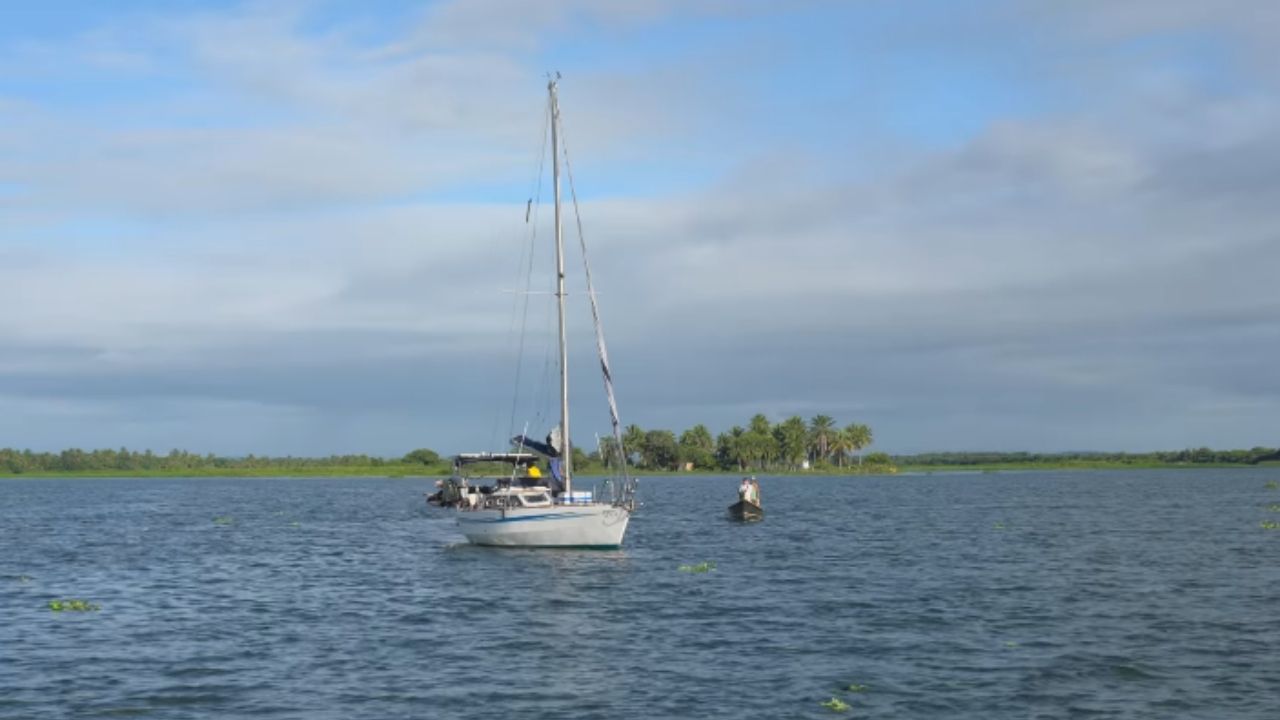
As you go up the river, Piaçabuçu emerged as an important point of the journey. The city, whose name is associated with the idea of Great Palm, began forming as a settlement in the 17th century and became a municipality in 1939. Today, it is presented in the account as a place connected to fishing, coconut, and tourism.
The region also holds a strong connection with traditional nautical culture. Traditional canoes still appear as part of the local daily life, both in fishing and transportation. This presence of the boats reinforces the impression that the São Francisco preserves ways of life that withstand time.
Transparent water and narrow channels surprised the sailors
After the mouth, the journey entered more protected channels, with transparent water, the smell of grass, and nearby vegetation. In this stretch, the landscape changed again: the scene no longer seemed like the open sea and began to resemble an inland river, with trees, birds, and more intimate banks.
The most impressive point was the transparency of the water. Amid narrow channels and discreet anchorages, the group found an environment described as a freshwater paradise with access to the sea. The combination of tranquility, beauty, and isolation made the stop one of the most remarkable of the trip.
Almost hidden villages reveal another rhythm of life
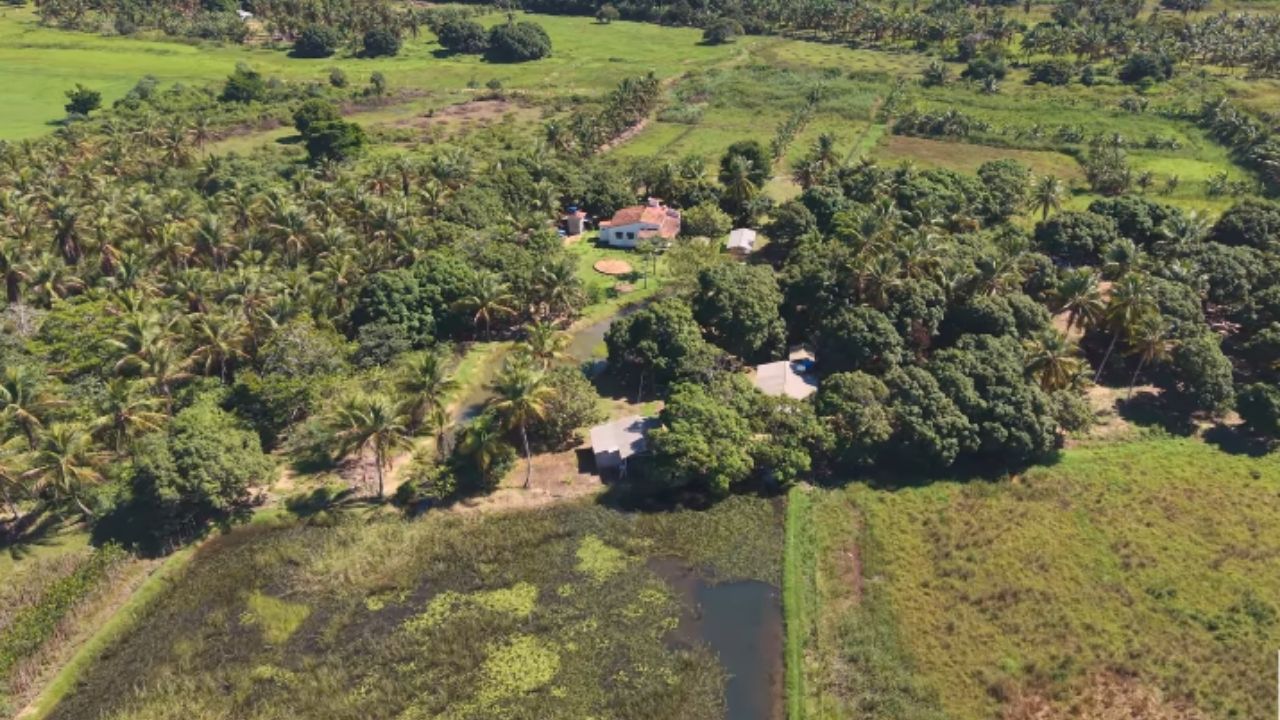
In navigation, small settlements, isolated houses, and the village of Penedinho also emerged, seen from another channel. The hidden villages appeared as part of a silent daily life, far from the common image of bustling major tourist destinations.
The arrival at the locals’ house reinforced this contrast. The account mentions reception, conversation, simple food, and stories related to traditional canoes. At this point, the Rio São Francisco ceased to be just a landscape and became a human encounter, with people who maintain direct ties with the river.
Canoe Tradition Still Marks the Lower São Francisco


The presence of traditional canoes was one of the strongest cultural marks of the journey. The region is home to master carpenters and boats that remain important for fishing, transportation, and local memory.
The account also mentions the Lusitânia tolda canoe, associated with the nautical heritage of the São Francisco. This detail shows how the journey traverses not only a natural space but also a network of traditional knowledge. Each canoe seen along the way seemed to carry a part of the river’s history.
Rare Nature Still Resists Among Dunes, Channels, and Currents
What makes the journey so appealing is the mix of contrasts. In a few kilometers, the traveler encounters dry dunes, green areas, clear freshwater, nearby sea, protected channels, islands of floating plants, and silent villages.
This diversity explains why the São Francisco River provokes so much fascination. The place cannot be defined in a single way: it is an estuary, backlands, coast, memory, difficult route, and natural refuge at the same time. For the sailor, the crossing seemed more than just a journey; it was a way to rediscover Brazil from within.
Would you have the courage to make such a crossing through the São Francisco River, among dunes, narrow channels, and almost isolated villages, or would you prefer to know this kind of paradise only through video and report? Leave your opinion in the comments.