Portuguese
  Spanish


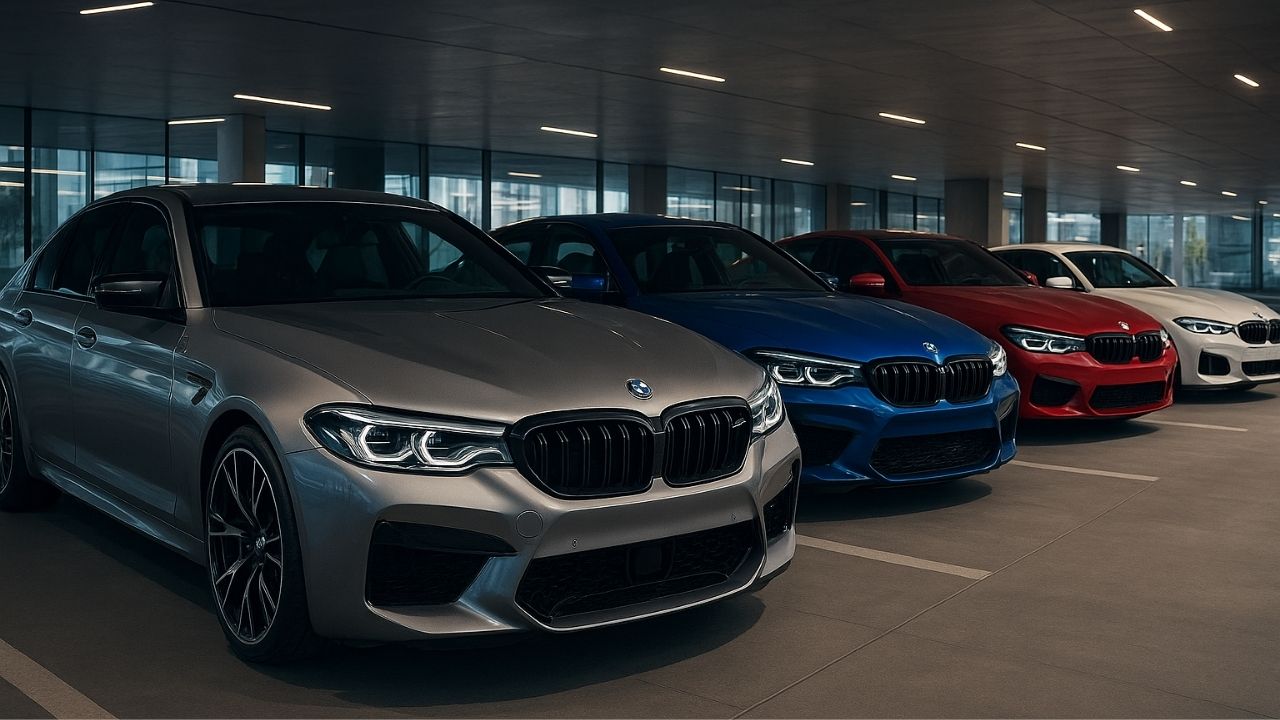

BMW Breaks Sales Record for Cars With V8 Engines and Reaffirms That Combustion Models Remain Strong Even With Advancements in Electrification.
BMW has achieved a historic milestone by recording, in the last year, the highest volume of sales for cars equipped with V8 engines. The feat was confirmed by the head of research and development at the German automaker, Dr. Joachim Post, during a recent interview in Germany.
According to the executive, the result demonstrates that, even with the advancement of electrification and investments in the new Neue Klasse platform, combustion engines continue to play a central role in the brand’s strategy.
Post explained that consumers of BMW continue to show strong interest in traditional models, emphasizing that the public desires the freedom to choose between electric and combustion-powered cars.
-
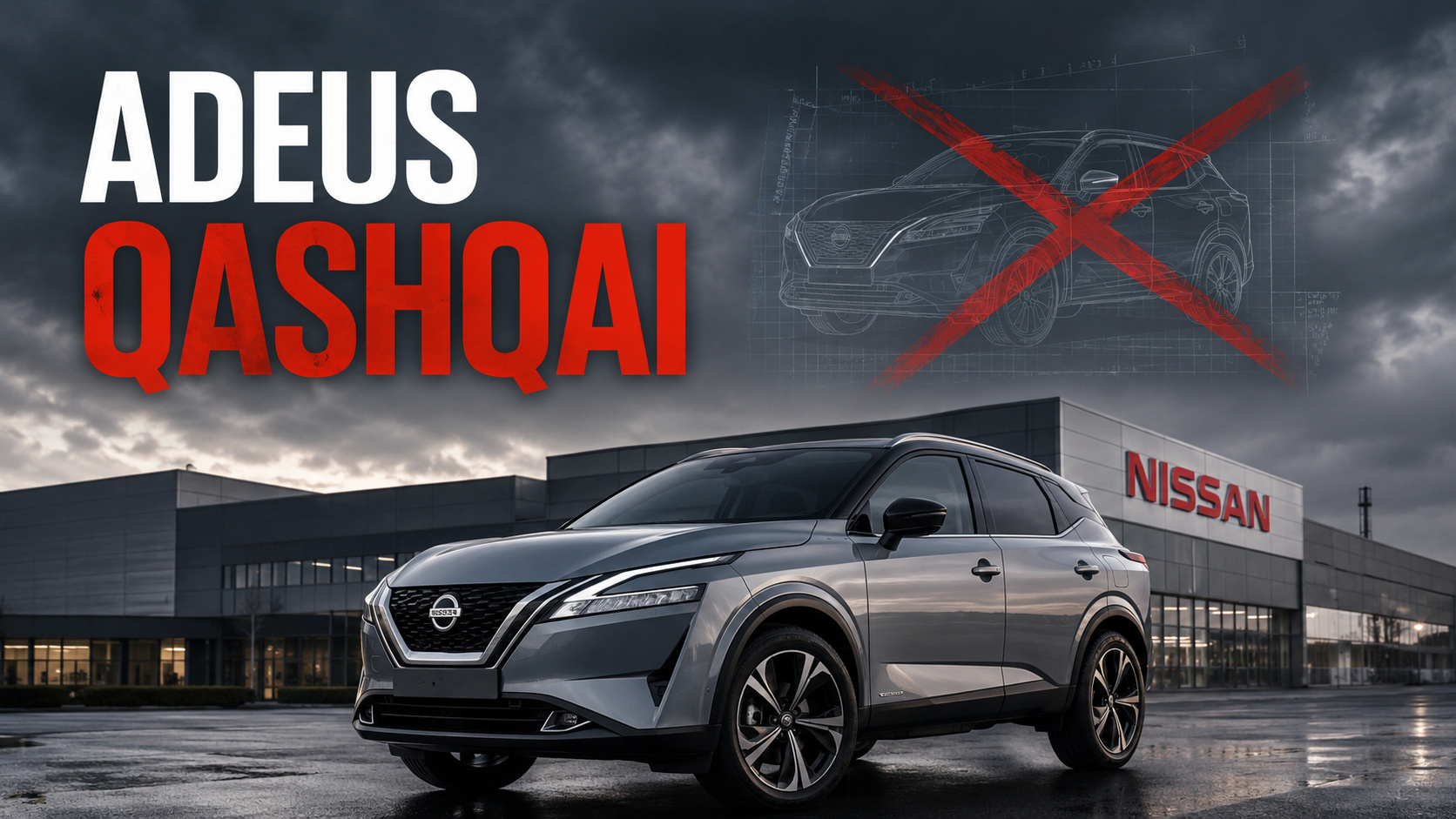
Nissan Discontinues Qashqai SUV Amid Cost-Cutting, Chinese Competition, and Product Line Review

-
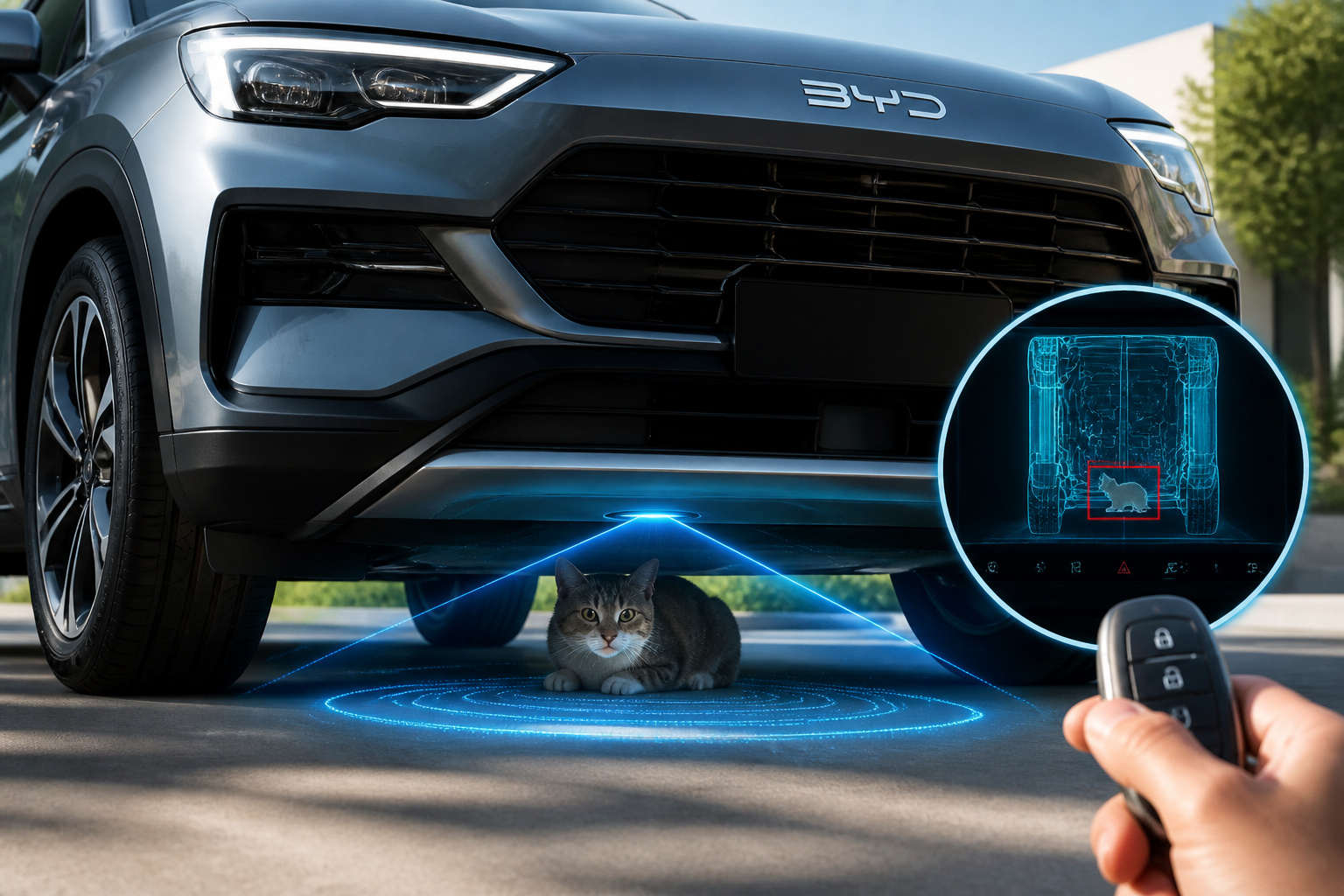
BYD Patents Revolutionary System Using Computer Vision to Detect Animals Under Cars Before Starting, Preventing Tragedies

-
Study Reveals Why Cars Are More Expensive to Produce and Buy in Brazil Compared to Mexico, Highlighting Taxes, Logistics, and Industrial Costs as Key Factors.
-
Toyota to Open New Factory in Brazil by November 2026 with $2.2 Billion Investment, Creating 2,000 Jobs, and Ending Corolla Production in Indaiatuba



“We want to offer our customers the best car, and it’s up to them to decide what type of powertrain they want. An electric vehicle should not be the only ‘new’ car, just as combustion engines are not obsolete,” highlighted the executive.
The Success of BMW V8-Engined Cars
According to BMW, V8-engined models performed above sales expectations, especially in the United States, where this type of engine is still highly valued.
Among the most sought-after vehicles are the X5, X6, and X7 SUVs, as well as the luxurious Series 7. The sporty M5, M8, X5 M, and X6 M come standard with the powerful eight-cylinder engine.
The new BMW M5 has stood out by introducing a modern plug-in hybrid system with a V8 engine, combining power and efficiency in a blend that has won over high-performance enthusiasts.
The model represents the brand’s attempt to combine tradition and innovation in one car, without sacrificing the thrilling experience characteristic of combustion engines.
BMW’s Strategy: Electrification With Balance
Despite the advancement of electric technologies, BMW takes a balanced approach in its global strategy.
According to Post, the company’s focus is on providing a variety of choices, ensuring that each consumer can opt for the type of engine that best fits their lifestyle.
In recent years, several automakers have accelerated their electrification plans, anticipating explosive demand for electric cars.
However, the real market has shown a more gradual adoption pace, leading many brands, including BMW, to reconsider timelines and strategies.
The German automaker, therefore, decided to keep alive its line of combustion engines—especially the legendary V8 engine, a symbol of performance and luxury—while continuing to invest in new sustainable solutions, such as hybrid and hydrogen vehicles.
Future: Hydrogen and Innovation on BMW’s Horizon
BMW’s plan for the coming years includes a significant expansion of its product range. In addition to electric cars based on the Neue Klasse platform, the brand confirmed it will launch, by 2028, a hydrogen-powered vehicle derived from the BMW X5.
The fuel cell system is being developed in partnership with Toyota, reinforcing the company’s commitment to exploring different paths toward sustainable mobility.
This multifaceted strategy reflects BMW’s vision that the future of the automotive sector will be diverse, combining electrification, combustion, and new clean technologies.
Thus, the V8 engine continues to play a relevant role in the brand’s lineup, both for its emotional appeal and consumer preference.
BMW V8 Engine: Tradition That Resists Electrification
As the automotive world advances toward total electrification, BMW shows that there is still space—and demand—for the powerful engines that have marked its history.
The sales record of models with V8 engines symbolizes not only the strength of German engineering but also the loyalty of an audience that values the sound, performance, and unique experience provided by combustion cars.