





 Portuguese
  English
  Spanish
  3 min of reading



Brazilian Innovates Developing the “Slab of the Future.” New Product for the Construction Industry Is Much Cheaper, Safer, Lighter, and Easy to Install, and Can Be Used More Than Once.
A new method developed by a Brazilian, called Legolaje, promises to revolutionize the construction sector. The Slab of the Future was built by Joselito, a resident of Campina Grande, Paraíba, and aims to eliminate the purchase of beams and blocks (EPS and ceramic); it only requires assembling the form, supporting it, setting up the reinforcement, and pouring the concrete all at once.
Understand How the Slab of the Future Developed by the Brazilian Works
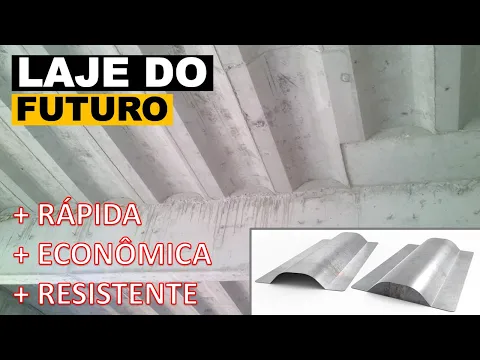

Joselito claims that his method is very simple and can change the construction sector. A 1m by 60cm metal form is used instead of styrofoam forms. The inventor states that with just 2 forms, it is possible to make 1 square meter of slab, and with a focus on safety while building the slab of the future, workers can easily walk on top of the forms without any risk.
One of the benefits generated by the new form is that it can be reused, since in other methods materials are lost during the pouring process. Not much different from conventional ones, this new product can be removed from the concrete after 5 days, maintaining the support.
-
Man turns 7-year dream into a wooden chalet on his farm, builds everything alone in his spare time, uses leftovers for furniture, creates a mezzanine, veranda, and giant bathroom, but still faces challenges with heat, glass, retractable roof, and finishes without help.

-
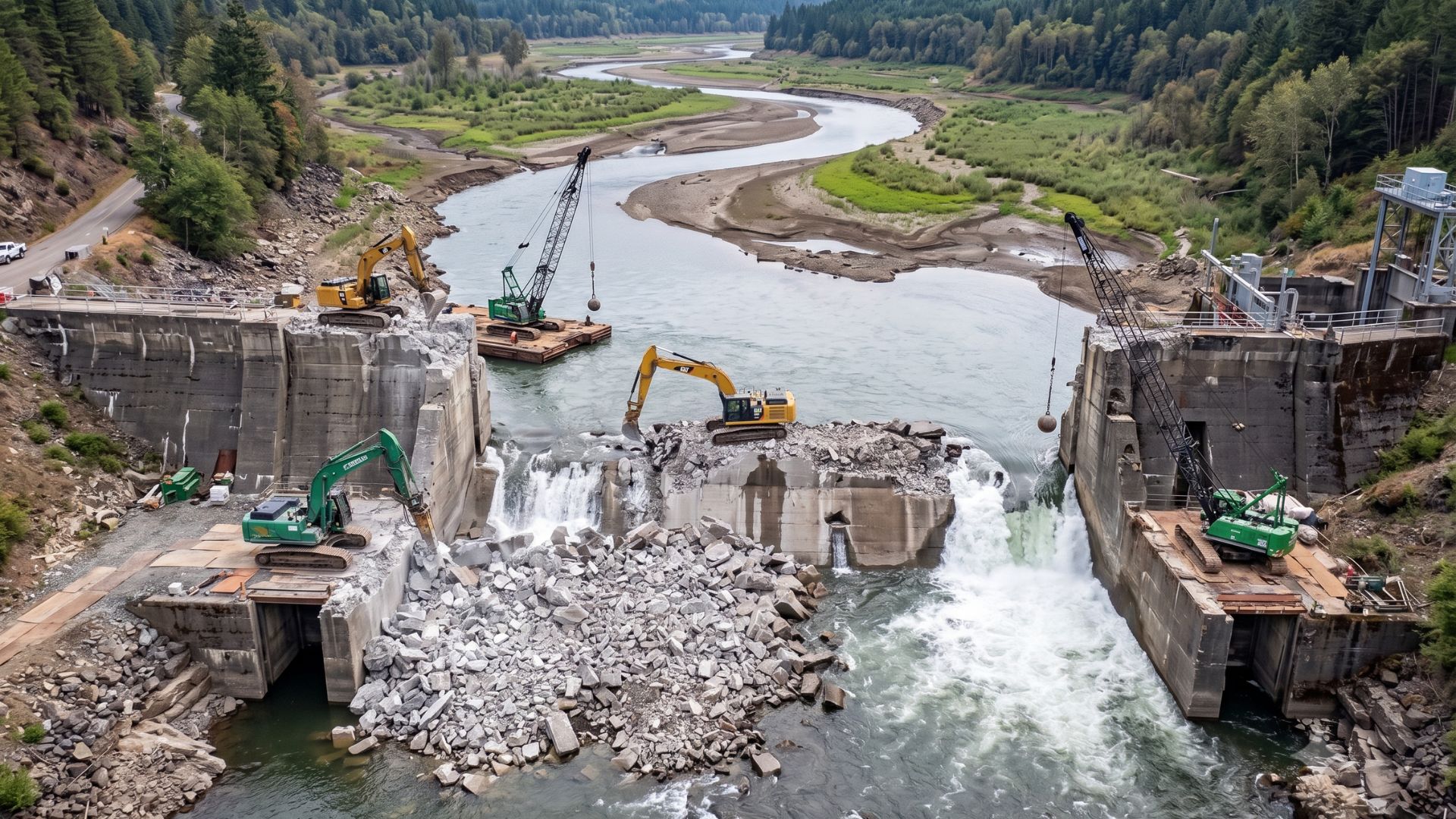
Old dams are being torn down by excavators in the United States: 108 concrete walls have been removed to free more than 4,000 kilometers of dammed rivers and transform obsolete megainfrastructure into living corridors of water, fish, and sediments.

-
Goodbye traditional brick? New 3D-printed brick promises houses ready in up to 30 days, cooling without air conditioning, and a reduction of up to 9°C in urban heat using only water and natural evaporation in civil construction.

-
387 tons of stone from a mansion slid intact across a closed state highway and over a canal in less than four hours when the historic restaurant Chez Odette’s was lifted and moved about 300 meters in New Hope.



The inventor highlights that another important aspect is that in other methods, a rib is used, which already has a small layer of concrete. In the new product for the construction sector, only a truss is used between the forms.
Despite consuming a bit more concrete, this method is safer, as the slab and the truss become a single structure. “Compared to a ceramic block slab, the new method is much lighter, but compared to a styrofoam slab, the weight is almost the same,” says Joselito.
University Professors Approve the New Slab of the Future
The Brazilian inventor states that just by being a solid and homogeneous slab, without any cracks, leaks, or joints, it becomes much more resistant, being essentially a solid slab. Another advantage highlighted by Joselito is the ease of transportation.
When constructing large buildings, it is necessary to carry the rails and ceramic blocks, which are very heavy. With the new method, workers only need to carry the form and the truss, which are much lighter materials.
The first slab built using this new method for the construction sector is already 12 years old, and since then, Joselito has been trying to patent his product, which in Brazil takes on average 15 years or more. In a conducted test, it was possible to see that the conventional slab vibrates much more and has many more cracks compared to Legolaje.
New forms are also being constructed for other types of construction, larger and of various sizes, with larger beams, depending on the client’s needs. Joselito already rents his forms throughout the state and plans to take his invention all over Brazil.
The Construction Sector Gains New Technologies
Solar energy is expanding and currently represents one-third of the clean energy installed worldwide, becoming increasingly accessible. In the past year, researchers have developed photovoltaic concrete that generates energy through solar radiation.
The concrete was developed in Mexico, resulting from the doctoral research of Euxis Kismet Sierra Marques and Orlando Gutiérrez Obeso.
The inventors graduated in Advanced Technology at the Research and Technological Innovation Center Azcapotzalco, of the National Polytechnic Institute (IPN). The result is a solid block mixed with organic elements that enable the capture of solar radiation and electricity generation.









Be the first to react!