






 Portuguese
  Spanish


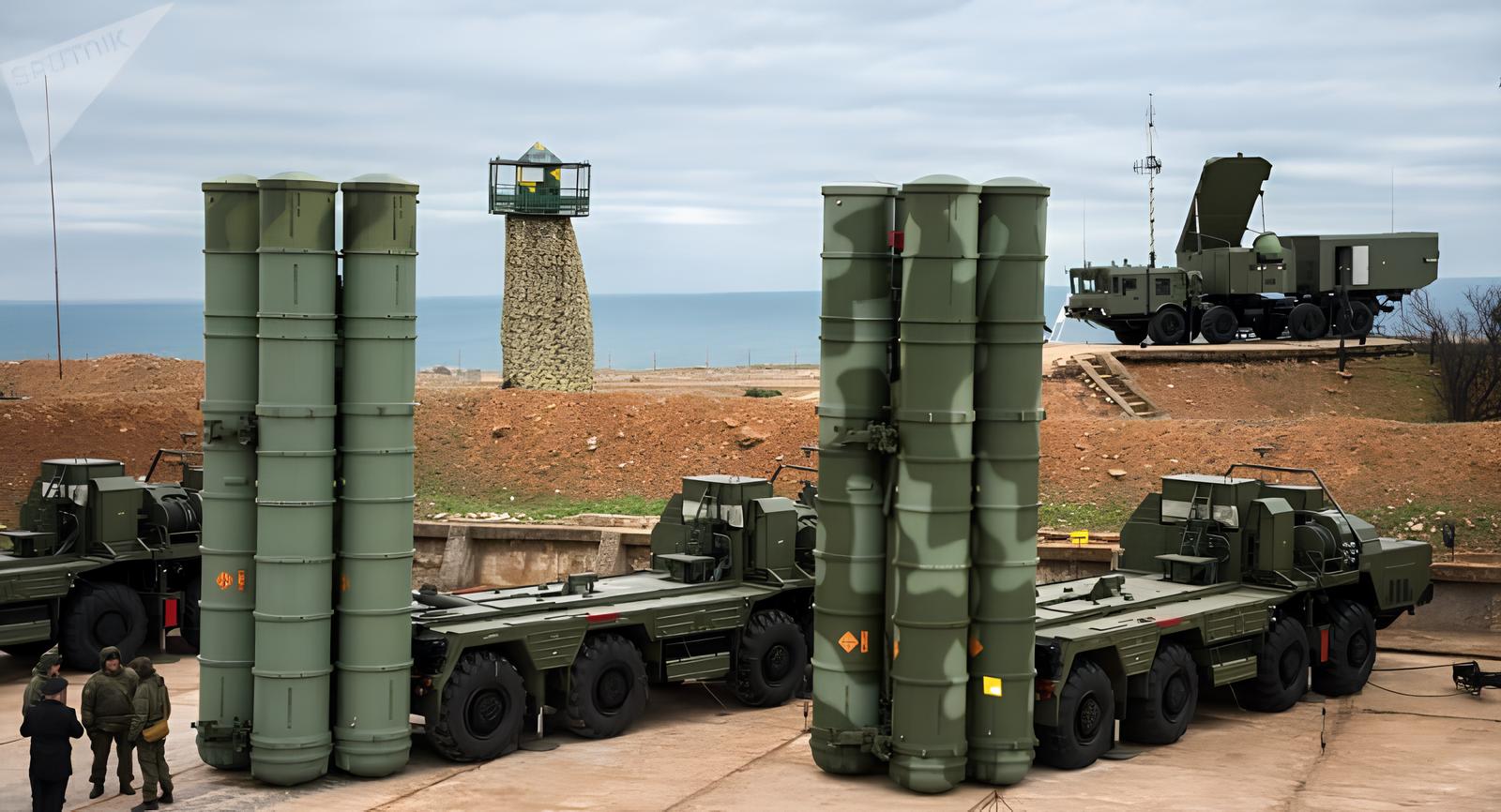


Capable Of Detecting Targets At 600 Km And Engaging Multiple Threats Simultaneously, The S-400 Triumf Has Become One Of The Most Advanced Air Defense Systems In The World And A Key Piece Of Russian Military Strategy.
Developed by the Russian company Almaz-Antey and officially introduced into service in 2007 by the Armed Forces of Russia, the S-400 Triumf (NATO designation: SA-21 Growler) represents a direct evolution of the S-300, but with significant improvements in range, accuracy, and simultaneous engagement capability.
The main acquisition radar, such as the 91N6E Big Bird, can detect targets at distances of up to 600 km, depending on the size and signature of the object. The engagement radar 92N6E is responsible for illuminating and tracking targets during the final interception phase. This combination allows tracking up to 300 targets simultaneously and engaging dozens of them at the same time, creating an air exclusion zone around the protected area.
This capability is not just theoretical. The system has been deployed in strategic regions such as Kaliningrad, Crimea, and Syria, demonstrating its importance in the Russian defense architecture.
-
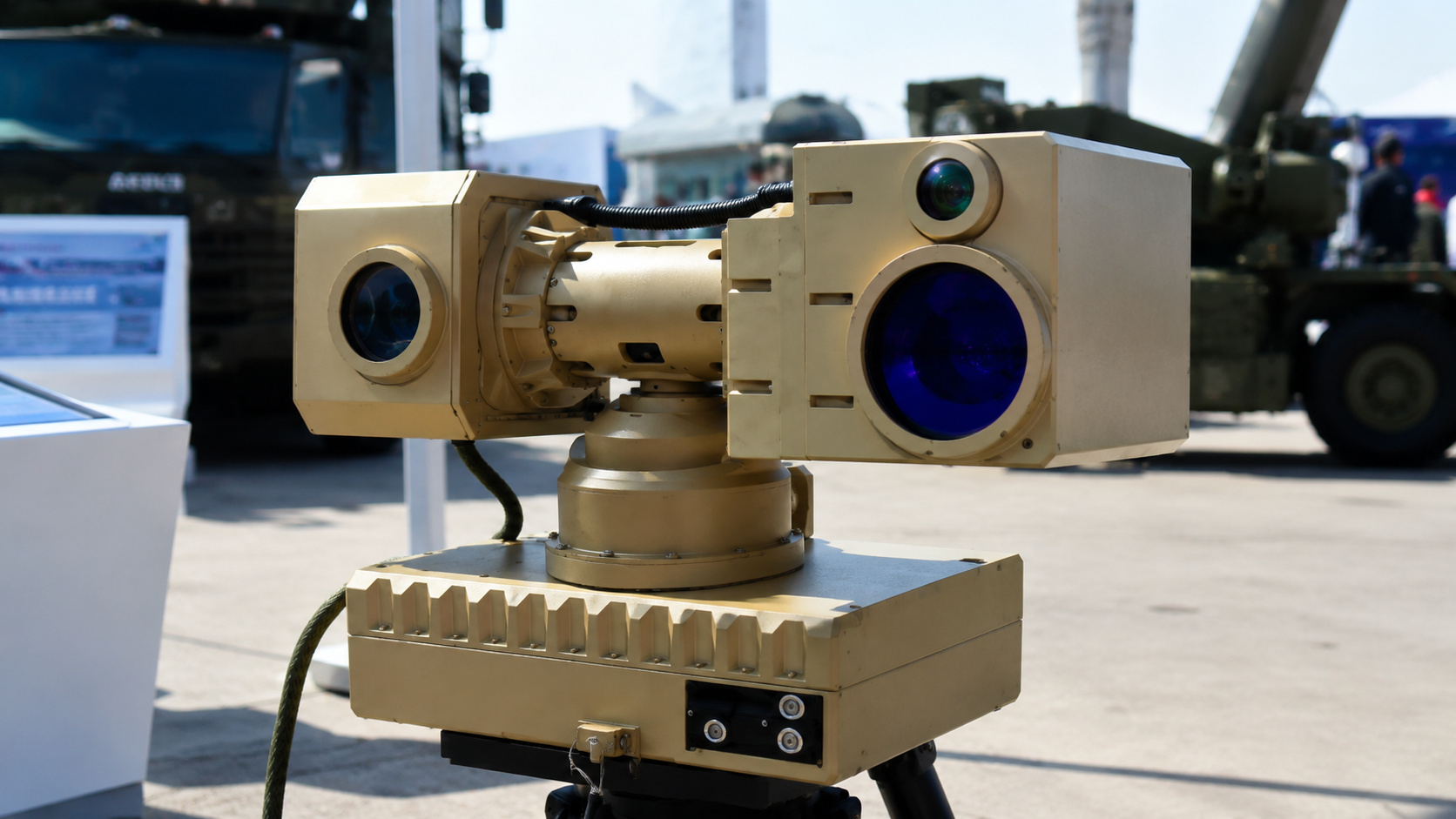
China Unveils Laser Weapon Capable of Instantly Neutralizing Military Drones, Marking a Significant Advancement in Air Defense Technology

-
U.S. Navy’s Ticonderoga-class Cruiser Becomes a 9,800-Ton Missile Fortress with Advanced Aegis System Capable of Tracking Hundreds of Targets

-
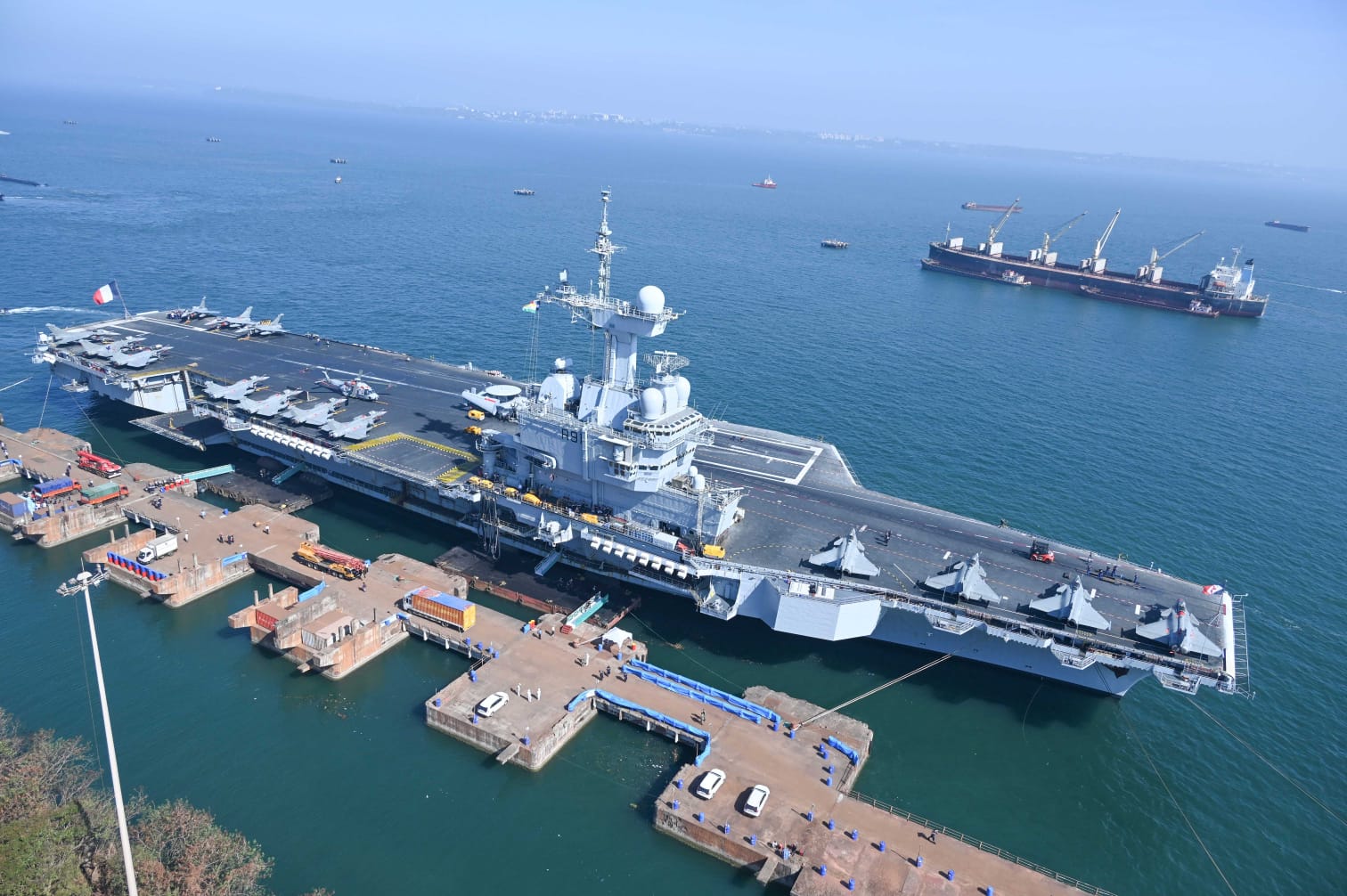
France’s Charles de Gaulle: The Sole Nuclear-Powered Aircraft Carrier Outside the US, Weighing 42,500 Tons and Equipped with Two Atomic Reactors

-
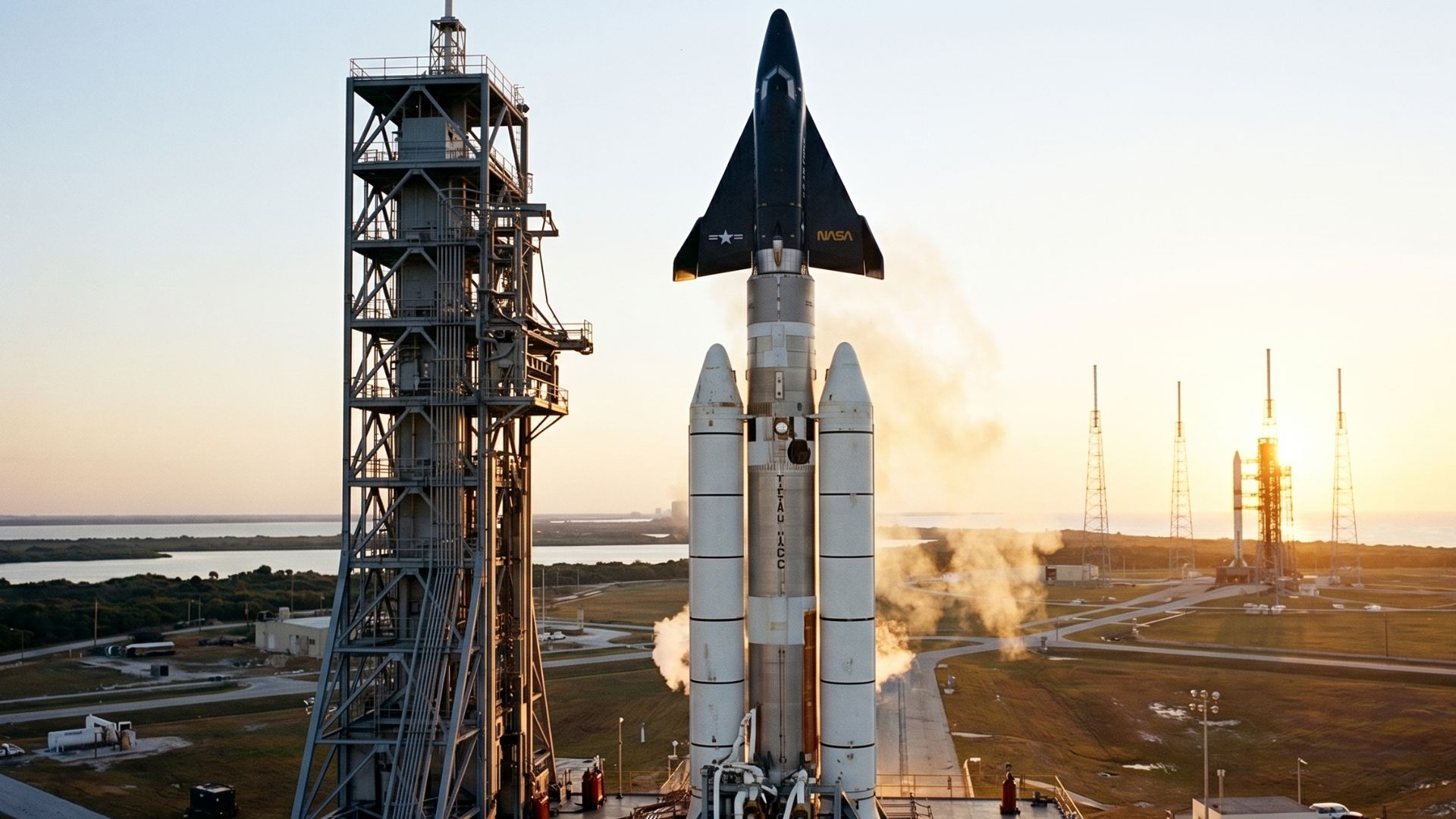
The military spaceplane that almost took the Cold War into orbit: Boeing X-20 Dyna-Soar was designed to re-enter above Mach 20, fly for up to 40 hours, land like a plane, and transform Titan rockets into a gateway to a new era of orbital warfare.

Missiles With Variable Ranges And Layered Defense Architecture
The key differentiator of the S-400 is its ability to operate with different types of missiles, creating a layered defense. Among the main ones are:
– 40N6: estimated range of up to 400 km, aimed at high-altitude strategic targets
– 48N6DM: range of about 250 km
– 9M96E2: approximate range of 120 km, with greater maneuverability to intercept missiles and agile aircraft
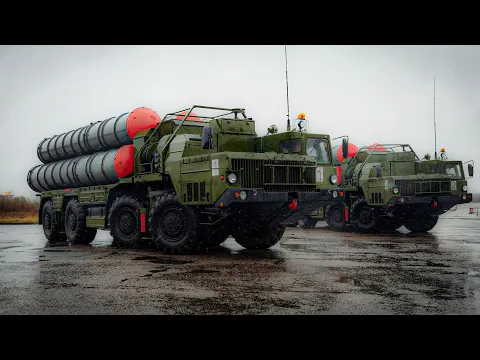

This combination allows the system to engage a range of targets from stealth aircraft and early warning planes to short and medium-range ballistic missiles. Interception can occur at altitudes ranging from a few meters above the ground to approximately 30 km, depending on the missile used.
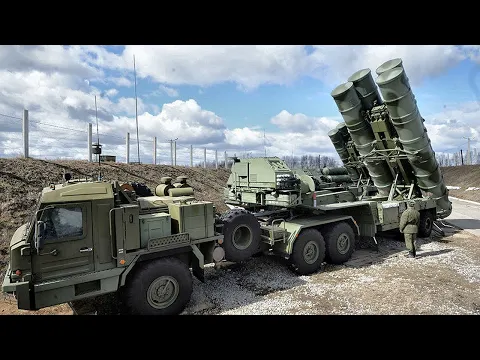
The modular architecture allows each S-400 battery to consist of command centers, radars, and up to 8 launchers, each capable of carrying four long-range missiles or multiple smaller missiles. This creates a significant fire density in the event of a coordinated attack.
Anti-Stealth Capability And Electronic Warfare
One of the points that has generated the most debate in the international arena is the alleged capability of the S-400 to detect stealth aircraft. Although the actual degree of this effectiveness is difficult to measure publicly, the system operates across multiple radar bands, including frequencies that can reduce the effectiveness of stealth technologies designed to disperse high-frequency waves.
Moreover, the S-400 can be integrated with Russian electronic warfare systems, enhancing its ability to interfere with communications, satellite navigation, and enemy sensors. This means it acts not only as a missile launcher but as part of a broader defensive ecosystem.
International Deployment And Geopolitical Tension
The impact of the S-400 has surpassed Russian borders. Countries like China, India, and Turkey have acquired the system. The purchase by Turkey, a NATO member, generated a strong reaction from the United States, culminating in Turkey’s exclusion from the F-35 fighter program.
The American Argument Was Clear: the integration of an advanced Russian air defense system could compromise sensitive data on Western aircraft. This episode showed that the S-400 is not just a military piece but a tool of geopolitical power.
India, in turn, faced threats of sanctions when it finalized a contract to acquire the system, reinforcing the idea that the S-400 influences diplomatic decisions and strategic alliances.
Mobilization Time And Survivability Capability
Another strategic factor is mobility. The S-400 is mounted on heavy vehicles with high off-road mobility, allowing relatively fast movement between positions. The estimated time for preparation to fire after positioning can be less than 10 minutes, according to data released by the Russian industry.
This mobility reduces vulnerability to preventive attacks. In modern war scenarios, where detection by satellites and drones is constant, the ability to move batteries and change positions is essential for operational survival.
Comparisons With Western Systems
Frequently compared to the Patriot PAC-3 of the United States, the S-400 has greater nominal range in some configurations. However, experts point out that real performance depends on integration, team training, sensor quality, and interoperability with other systems.
While the Patriot has operational history in conflicts in the Middle East, the S-400 has not yet been widely tested in conventional war scenarios between equivalent powers. Nevertheless, its presence alters the strategic calculus of any air force operating nearby.
A Shield That Redefines Aerial Space
By combining detection ranges of up to 600 km, missiles with ranges of up to 400 km, and the capability to engage multiple targets simultaneously, the S-400 Triumf has become one of the pillars of modern Russian air defense.
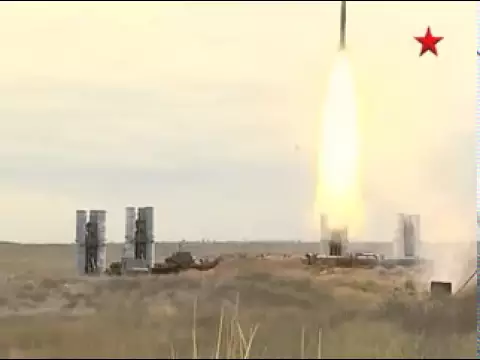
Its existence forces adversaries to rethink flight routes, attack strategies, and the use of stealth aircraft. Strategically, it creates access denial zones (A2/AD) that complicate enemy air operations.
As satellites monitor movements and aircraft cross invisible borders, systems like the S-400 operate quietly, turning the sky into contested territory long before the first missile is launched.





Propaganda rusa, si no tuvieron oportunidad de neutralizar a los marines, ni siquiera de asesinar a maduro antes de ser capturado.
Un pueblo de 22 (Ucrani) millones de habitantes los esta jaqueando.
Bueno ya en una práctica real dejó mucho que decir ese sistema de misiles… Como decimos informática nada es impenetrable…
Ya se probó que hiciste una contramedida que los deja totalmente ciegos y paralizados.
Para prueba un botón lo que ha pasado en Venezuela y lo que ha pasado en Irán…
Incluso los sistemas chinos también están entredicho…
Y Ucrania es el gran laboratorio en el que Rusia ha salido totalmente aplazado.
Podrían aprender gramática antes de opinar…