Portuguese
  Spanish


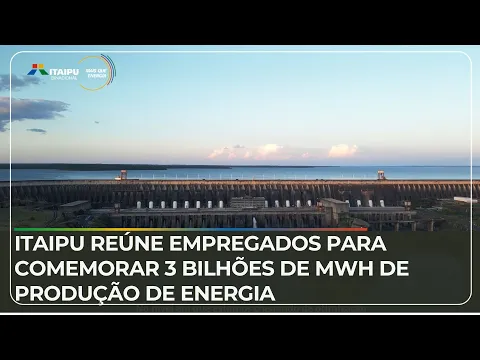
Itaipu Hydroelectric Power Plant Reaches Milestone of 3.1 Billion MWh, Reinforcing Its Strategic Role in Clean and Sustainable Energy Generation in Brazil and Paraguay.
The Itaipu hydroelectric power plant achieved a historic feat that consolidates its importance in the global energy landscape.
On September 5, at 6:54 PM, the plant, recognized as the largest generator of clean and renewable energy on the planet, reached an impressive mark of 3.1 billion megawatt-hours (MWh) produced since the start of its operations in 1984.
Therefore, this milestone highlights the extraordinary volume of energy generated and simultaneously reinforces the strategic role of the binational in the energy matrix of Brazil and Paraguay.
-
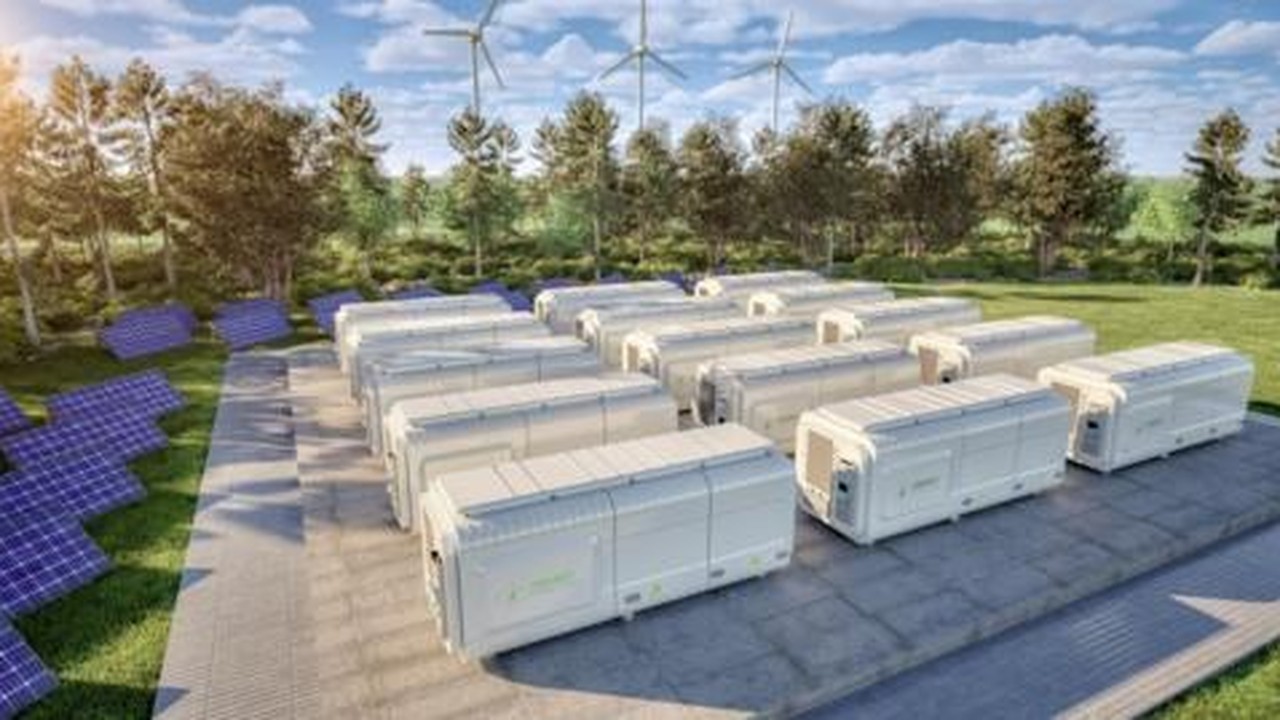
Brazil to Hold First Auction for Batteries to Store Solar and Wind Energy from the Northeast

-
Brazilian scientists are simultaneously advancing two research projects on clean hydrogen and driving solutions that could transform the energy matrix, enhance industrial competitiveness, and accelerate large-scale emission reduction targets.

-
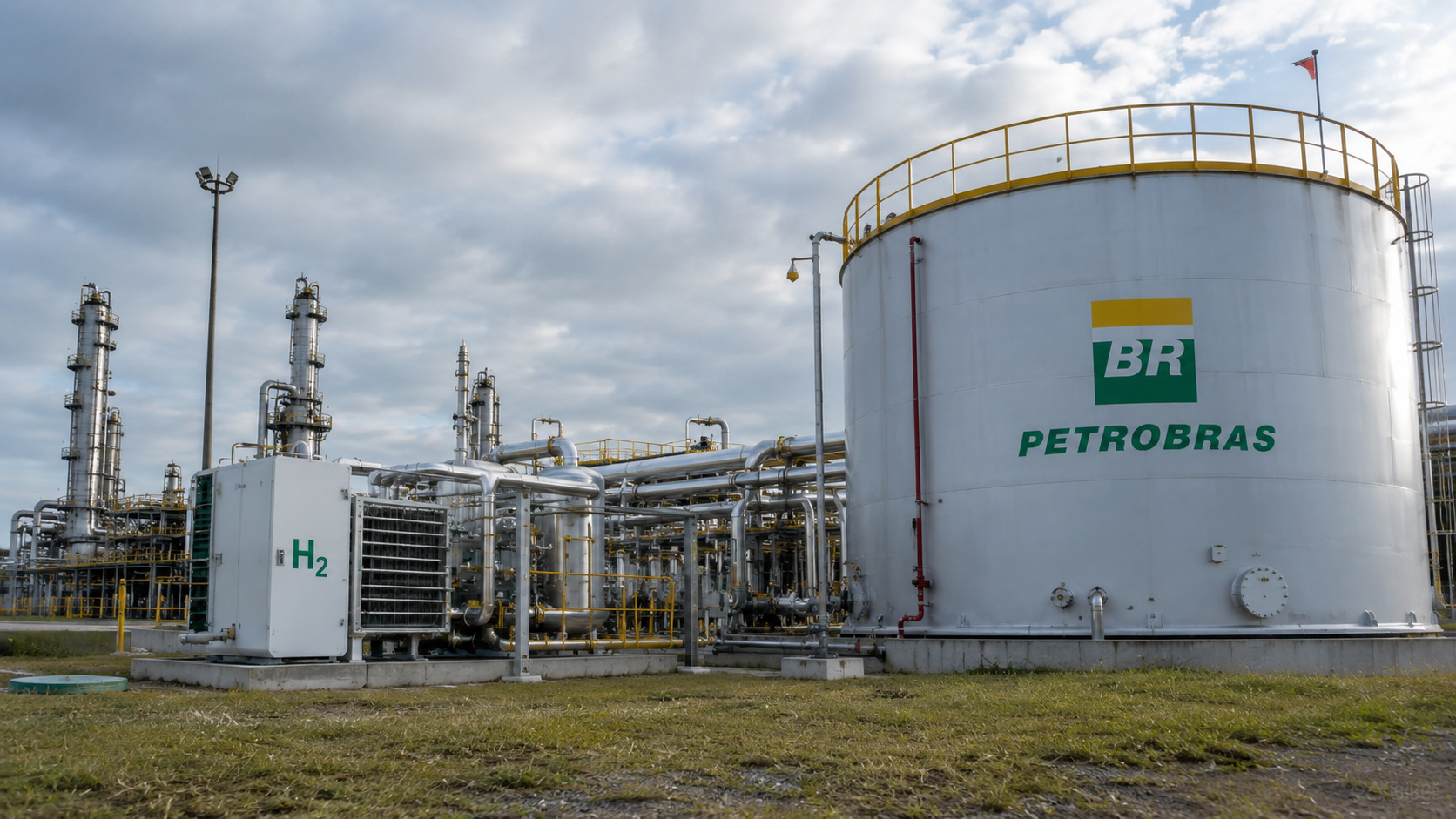
Advancement in renewable energy: A R$ 150 million project launched by Petrobras and Finep aims to create state-of-the-art electrolyzers for green hydrogen, strengthening national research and preparing Brazil to compete in a billion-dollar energy market.
-
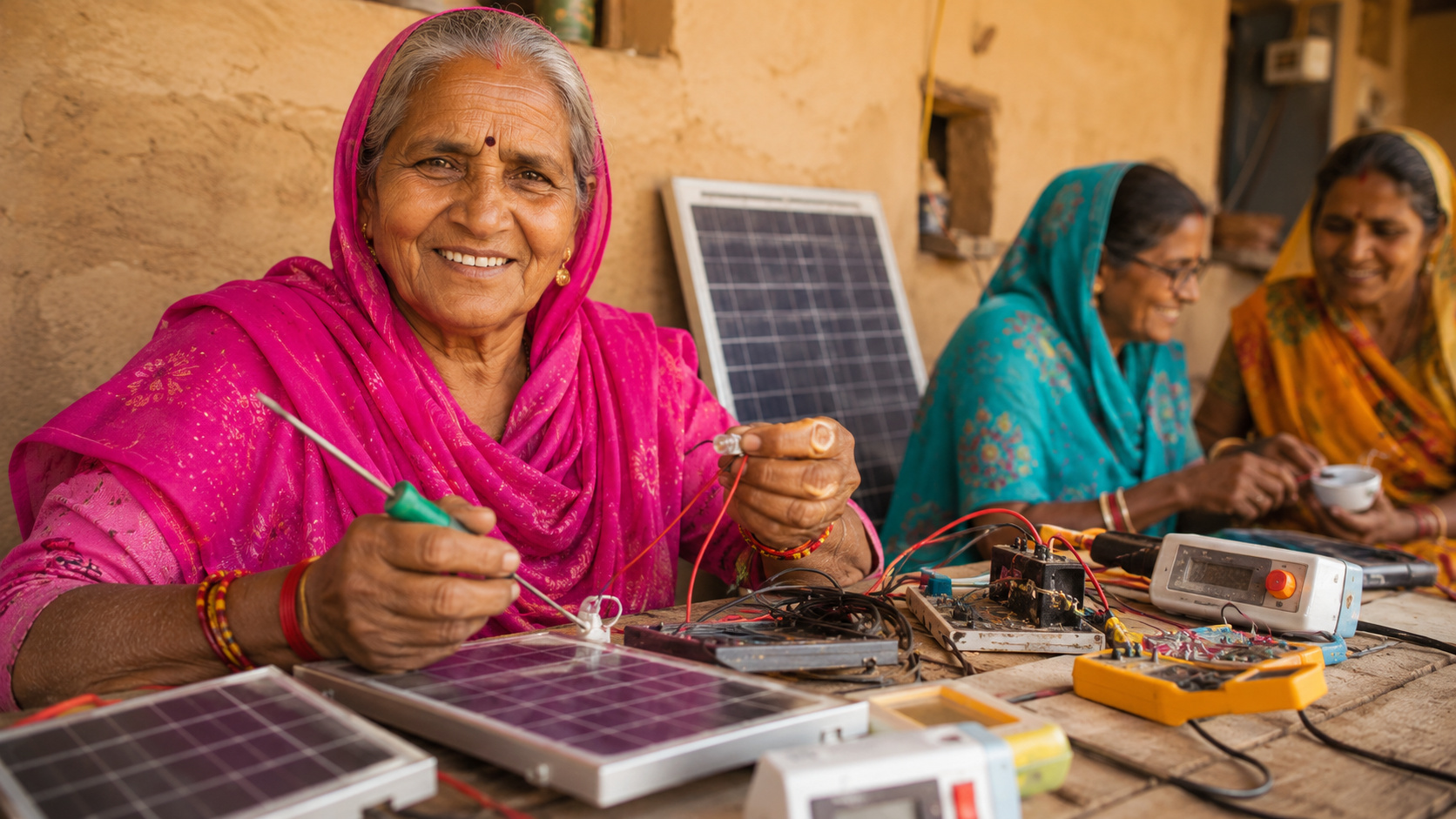
Illiterate or semi-literate grandmothers were trained to repair solar systems, open rural workshops, and light up homes that still depended on kerosene.

In addition, it emphasizes its contribution to the sustainable development of the region.
Since its inception, Itaipu has symbolized international cooperation, uniting efforts between Brazil and Paraguay.
The Brazilian general director, Enio Verri, notes that “this number is not just a statistic. It reflects decades of joint work between Brazilians and Paraguayans, technological innovation, and commitment to sustainable development”.
Indeed, the mark of 3.1 billion MWh represents more than energy: it shows operational excellence, cutting-edge engineering, and consequently, the ability of a large hydroelectric power plant to transform the lives of millions of people.
To gauge the impact of this production, we can imagine what would be needed to generate the same amount of energy.
For example, the volume produced by Itaipu would supply the entire world for 44 days, Brazil for over six years, Paraguay for 140 years, or the state of São Paulo for about 22 years.
In urban terms, it would serve 684 cities the size of Curitiba for a year or over 5,200 cities the size of Foz do Iguaçu.
Thus, these numbers demonstrate not only the magnitude of production but also the relevance of Itaipu in boosting industries, illuminating cities, and supporting regional economic growth.
Itaipu Reaches Historic Mark and Production Trajectory
The trajectory of Itaipu reaching 3.1 billion MWh features significant historical milestones.
The hydroelectric plant began generating energy on May 5, 1984, at a time when Brazil was working to consolidate its energy infrastructure.
Consequently, it took 17 years to reach the first billion MWh, achieved in June 2001, when the country was facing a serious energy rationing crisis.
Moreover, eleven years and two months later, in August 2012, the binational reached 2 billion MWh.
The third billion was recorded in March 2024, demonstrating how the plant maintains a consistent production rhythm over the decades.
Therefore, the hydroelectric plant constantly adapts its operations to the demands of an electrical system that increasingly incorporates intermittent renewable sources, such as solar and wind.
The production of these sources depends on natural conditions.
Additionally, Itaipu invests in research and studies that allow forecasting climatic variations and their impacts on energy production.
Indeed, the collection of hydrological and meteorological data helps optimize the functioning of turbines and anticipate strategic measures, thereby increasing efficiency and sustainability.
Consequently, this work reinforces the plant’s position as a reference in engineering, planning, and management of large hydroelectric power plants.
The ability to adapt grants Itaipu an even more strategic role in the current energy context.
Thus, the plant can compensate for variations in solar and wind energy generation, as well as adjust production according to consumption peaks.
This ensures reliability and security to the electrical system.
At certain times, Itaipu meets up to 30% of the consumer ramps in the late afternoon, thereby demonstrating its operational relevance.
Strategic Role in the Energy Matrix and Integration of Renewable Sources
In recent years, the massive introduction of wind and solar plants in Brazil has significantly altered the profile of the energy matrix.
Although these sources are essential for the energy transition and emission reductions, their intermittency demands that large hydroelectric plants like Itaipu act as continuous support, balancing the supply and demand for energy.
Thus, the plant not only generates clean energy, but also facilitates the inclusion of other renewable sources, playing a crucial role in the sustainability of the electrical system.
To maintain its high performance, Itaipu executes the most comprehensive technological upgrade plan since the start of its operations.
Launched in May 2022, the plan involves investments of approximately US$ 670 million, aimed at upgrading control, protection, substation, and spillway systems of the plant.
Although it does not include the replacement of heavy electromechanical components, such as turbines, rotors, and stators—which remain in excellent condition—the plan ensures the longevity and efficiency of the hydroelectric plant.
It therefore consolidates its position as a global benchmark in engineering and operation of hydroelectric plants.
Another relevant point is the investment in innovation and digital technologies.
In this way, real-time monitoring systems and data analysis reduce losses, increase efficiency, and anticipate failures.
This ensures that the plant operates with maximum productivity.
Thus, this combination of traditional engineering with modern technologies makes Itaipu a 21st-century hydroelectric power plant, capable of meeting the demands of a constantly transforming energy world.
In addition to its technical performance, Itaipu stands out for its environmental commitment.
All the energy produced is 100% renewable, coming from the force of the waters of the Paraná River.
Socio-Environmental Contribution and Legacy for the Future
The mark of 3.1 billion MWh reinforces Itaipu’s role not only as a power generator but also as a catalyst for economic and social development.
The hydroelectric plant shows how technology, international cooperation, and environmental preservation can walk together, creating a legacy that benefits millions of people.
At the same time, its performance inspires the search for cleaner and more efficient energy solutions, thus contributing to the global energy transition.
Looking to the future, Itaipu remains a foundational pillar of the energy matrix in Brazil and Paraguay.
Its ability to adapt to new technologies, combined with a commitment to sustainability and innovation, ensures that the plant will continue to play a strategic role, providing reliable and renewable energy for many decades.
The mark of 3.1 billion MWh produced is more than just a number: it expresses decades of dedication, competence, and vision for the future.
It solidifies Itaipu as a global reference in clean and renewable energy.
In summary, Itaipu is not just a hydroelectric plant, but a symbol of development, cooperation, and innovation.
Its contribution to the energy matrix goes well beyond electricity generation, involving environmental preservation, research in new technologies, and support for the national electrical system.
With eyes focused on the upcoming challenges and opportunities, Itaipu continues to show that renewable energy transforms lives, economies, and the very concept of sustainability.