Portuguese
  Spanish


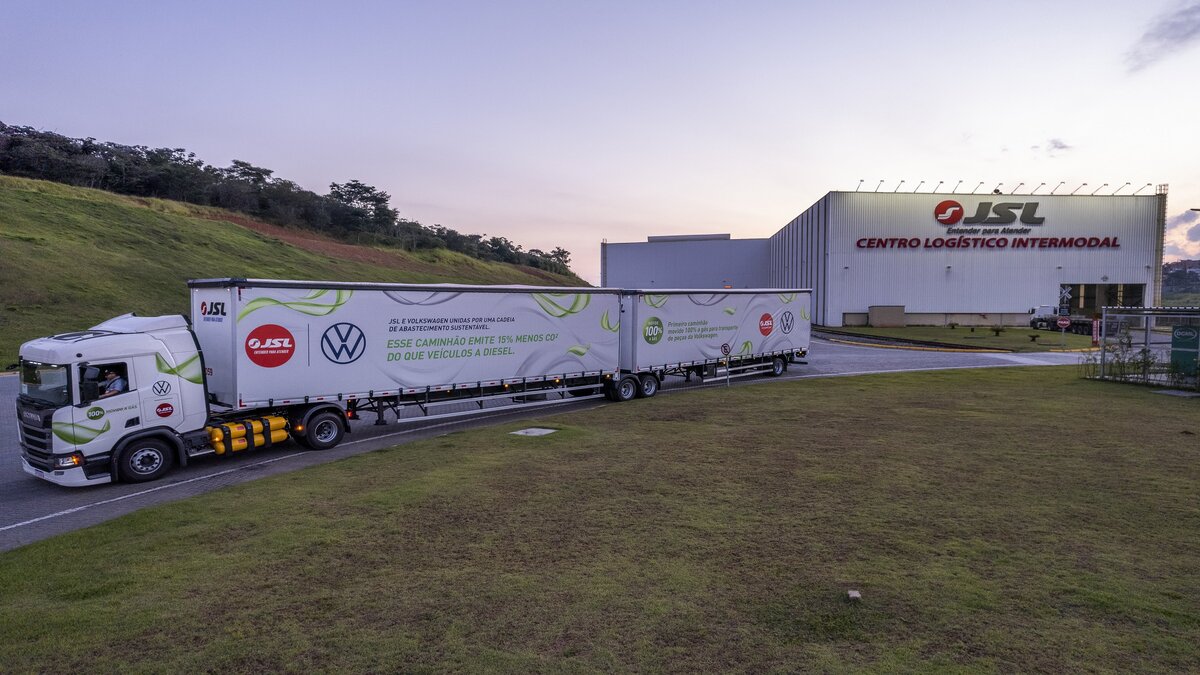

The Companies JSL and Volkswagen Started Operations with the Fully Fueled Natural Gas Truck for the Logistics Company’s Cargo Transport Operations, Now Focusing on Sustainability and Reducing CO2 Emissions in Activities
The logistics transport company JSL has teamed up with automaker Volkswagen and, this Thursday (06/02), they are already using the 100% natural gas-powered truck in cargo transport operations. This is yet another strategy from the logistics company focusing on sustainability, and over the next few years, it aims to minimize the emission of polluting gases into the atmosphere, such as carbon dioxide or CO2.
JSL and Volkswagen Begin Cargo Transport Operations with Fully Natural Gas-Powered Truck and Ensure CO2 Reduction in Goods Handling
With the energy transition increasingly present in the national market, companies are starting to seek less polluting alternatives in their operations, and now it was the turn of the logistics and transport company JSL to kick off its new sustainability project. This involves the use of a truck from Volkswagen that is completely powered by natural gas, which excludes the use of non-renewable fuels and ensures a significant reduction in the emission of polluting gases during cargo transport operations.
The operations are already underway, and the truck now travels the route from Piracicaba to São Bernardo do Campo, in São Paulo, transporting automotive parts to supply the entire production chain of Volkswagen in the ABC, a journey that was originally made by a diesel truck.
-
Latin America’s Largest Port Invests $400 Million in Rail System with Trains Up to 2.4 Kilometers Long
-
Sales of Brazil’s Cheapest Electric Car Halted Before First Deliveries: E-Motors Suspends Emova Easy Due to Import Tax Increase and Rising Freight Costs

-
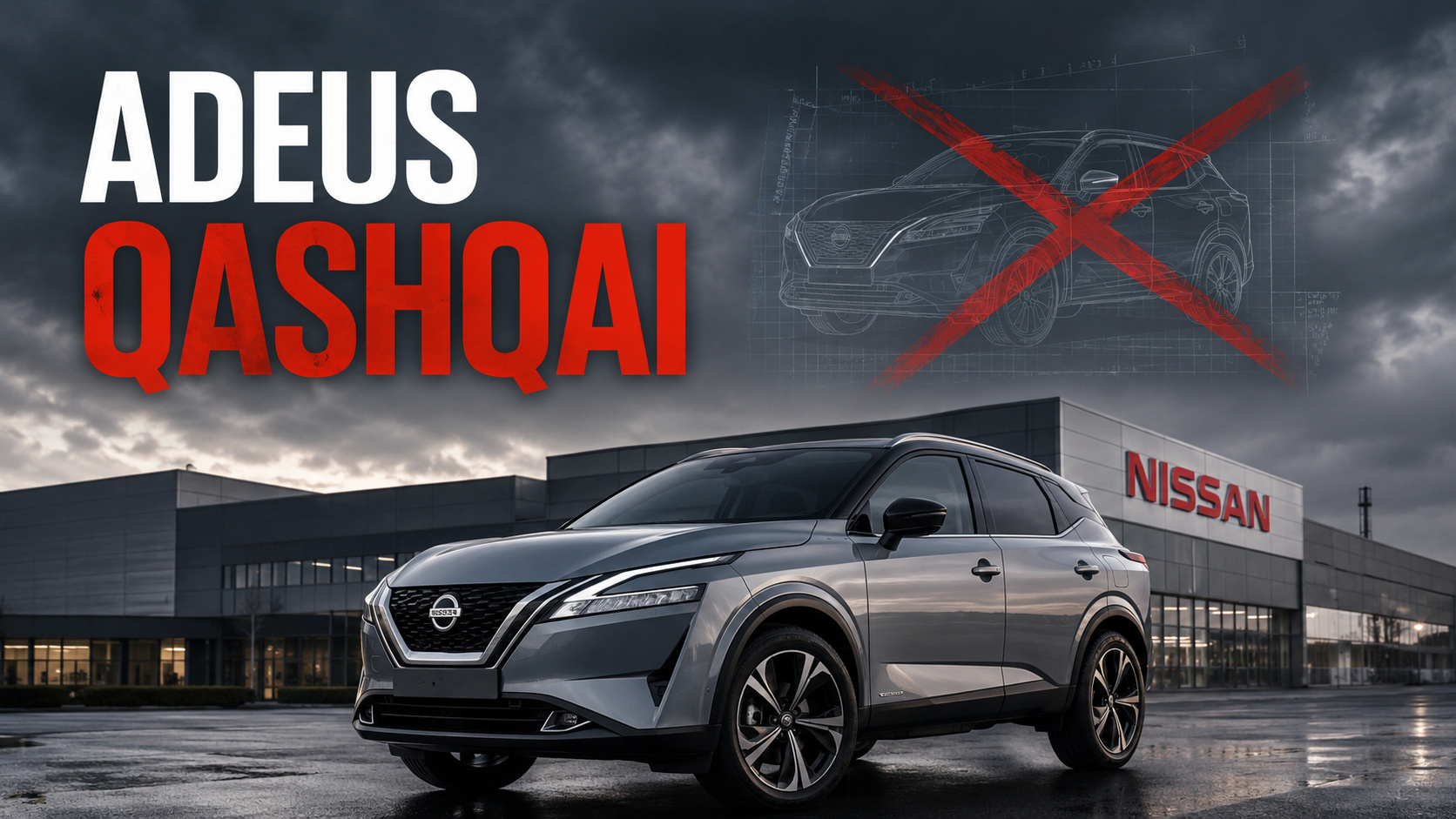
Nissan Discontinues Qashqai SUV Amid Cost-Cutting, Chinese Competition, and Product Line Review

-
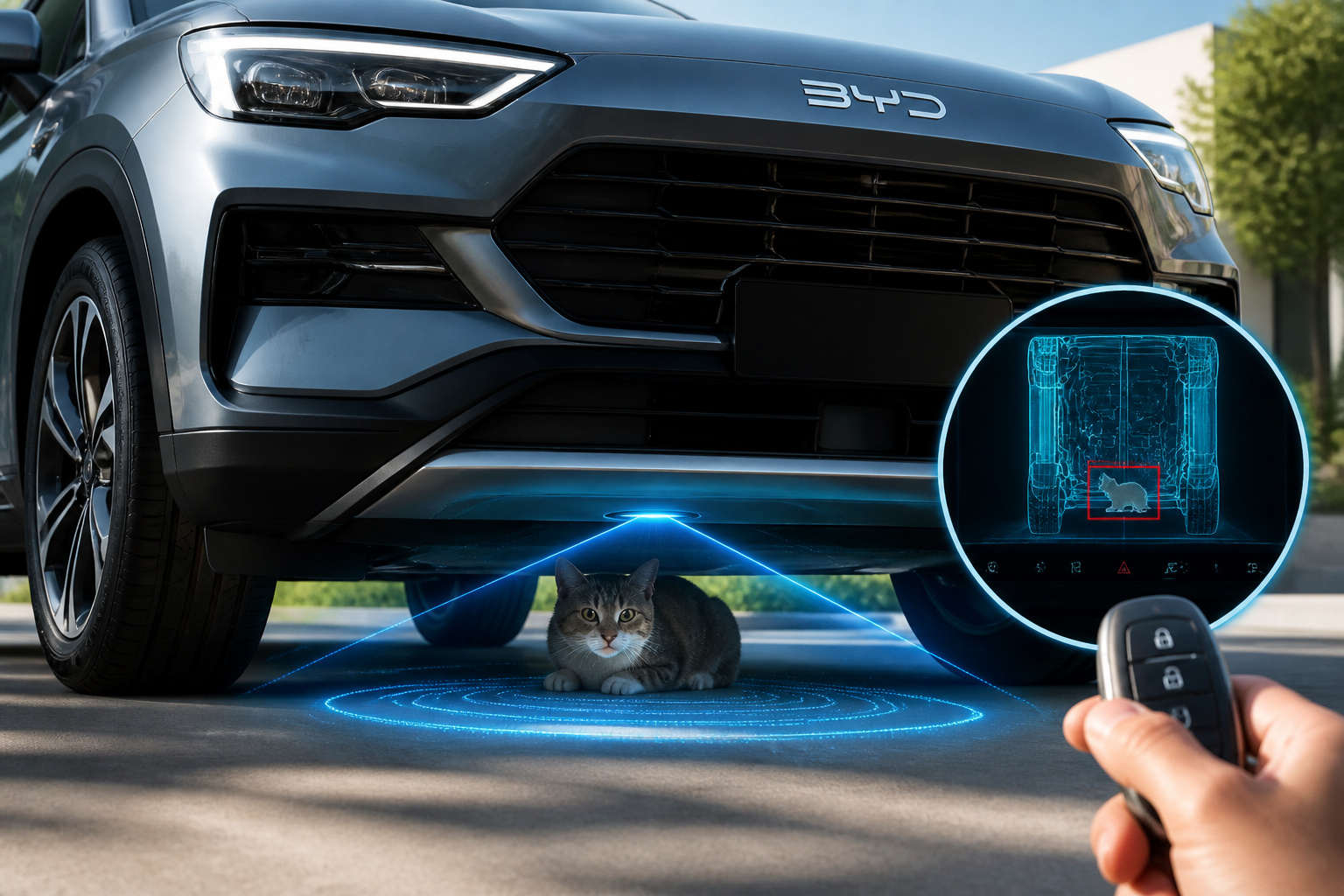
BYD Patents Revolutionary System Using Computer Vision to Detect Animals Under Cars Before Starting, Preventing Tragedies


And although the load is light, around 16 tons, the volume is high, and the truck has shown good results in handling the goods while being fueled only by gas.
The truck chosen by JSL for natural gas cargo transport operations was the Scania R 410, with a motor powered by compressed natural gas (CNG), produced by the Swedish brand that is part of the Volkswagen Group, thus integrating both companies in the sustainability initiative. According to the companies, using this truck ensures a reduction of over 15% in the emission of polluting gases such as CO2, in addition to allowing the vehicle to mix CNG with biomethane, making the trips even more sustainable and environmentally responsible.
Companies Continue Testing the Use of the Natural Gas Truck, but Results Are Already Quite Positive for Operations
In addition to verifying the best way to use natural gas in cargo transport operations, JSL’s truck is now undergoing autonomy tests and better routes in the region. Thus, the company found that when the vehicle is fueled with a volume of 230 m³ of gas, or about 944 liters, the R 410 can travel about 500 km, thus ensuring a good initial trajectory for the logistics company.
And because this is a bitrem model, it is capable of transporting even more tons of goods. Regarding the initiative, Eduardo Pereira, commercial director of JSL, highlighted in a statement: “To increase efficiency in Volkswagen’s operation, one of our first clients, we aim to prioritize alternative fuels through a 100% gas-powered truck. The initiative is the spearhead of a new operational model that combines logistical optimization with a reduction in carbon dioxide and other greenhouse gas emissions.”
Now, JSL and Volkswagen continue testing the use of the natural gas truck for cargo transport and aim to implement the technology across the entire fleet of goods transport over the next few years, focusing on sustainability within operations.