Portuguese
  Spanish



The City Of Macaé Knew How To Take Advantage Of Its Oil Vocation To Turn Wealth Into Sustainable Development.
With rigorous fiscal management, economic growth, and strong investment in education, the municipality has built a consistent model of prosperity even in the face of crises in the oil and gas sector.
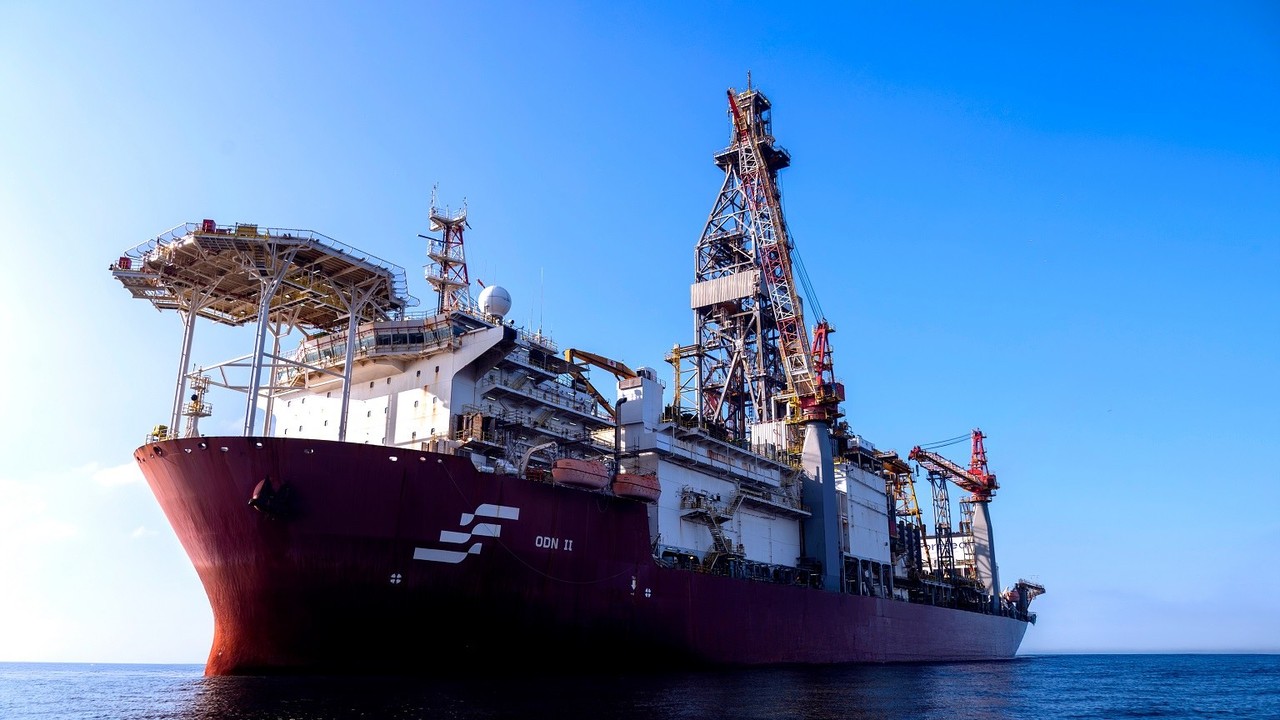
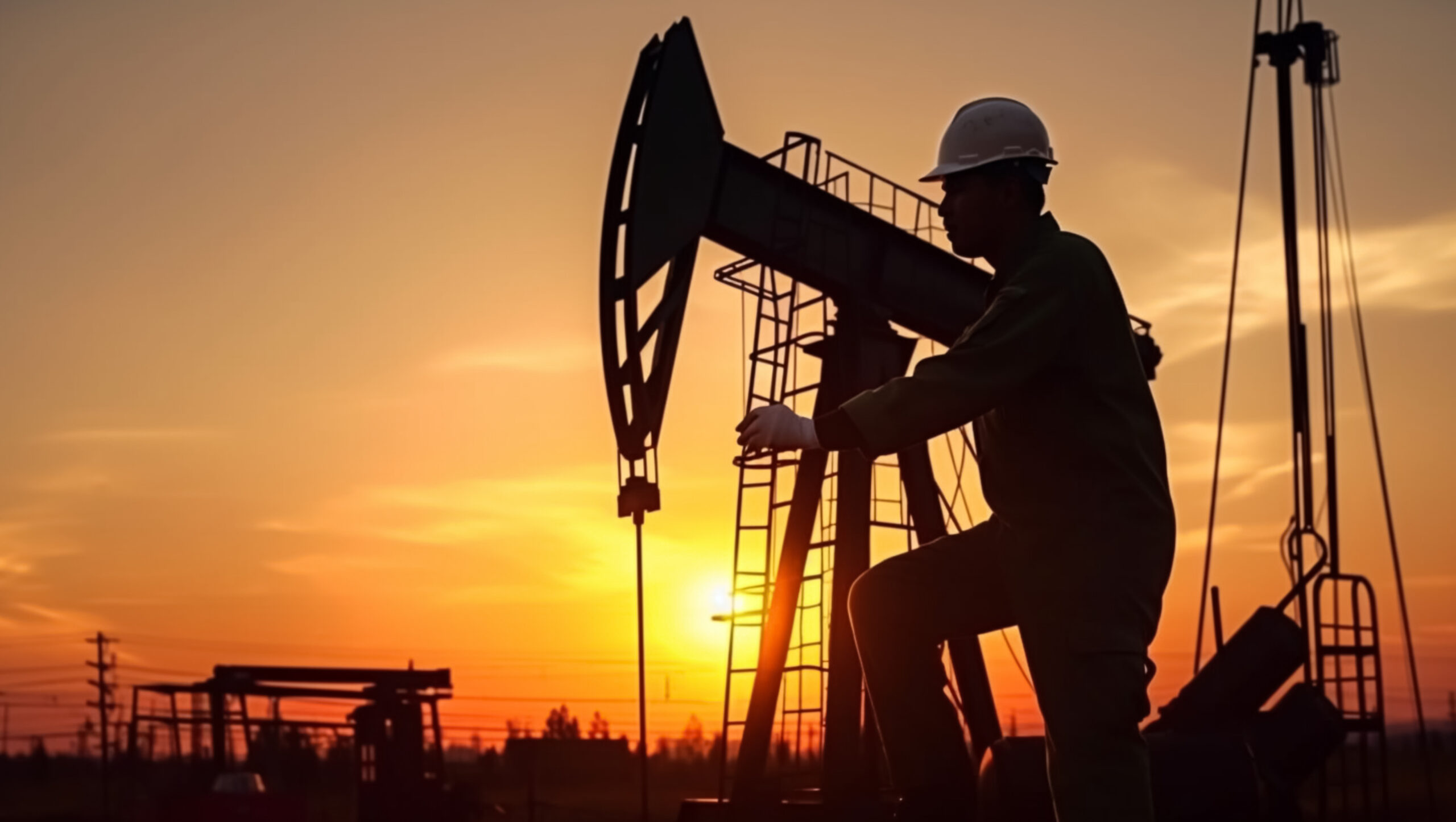
Historically, the beginning of the oil industry in the region — especially after the establishment of the Petrobras base and the exploration of the Campos Basin — spurred a deep demographic and economic transformation. But Macaé went further: it transformed this abundance into structural improvements, prioritizing education, employment, and urban infrastructure.
From Oil To Progress: A Trajectory Marked By Adaptation
Macaé was once a peripheral city with little economic significance. But the discovery of oil and the establishment of Petrobras radically transformed its dynamics. Since then, the municipality has served as a hub for offshore companies, support services, logistics, and communities linked to the oil chain.
-
Petrobras Explores Entry into Corn Ethanol Market, Aiming to Become a Biofuel Giant

-
Brazil’s $8.5 Billion Auction Secures New Power Plants to Prevent Peak Hour Energy Shortages
-
Why Gasoline Prices Remain Stable: How Petrobras’ Subsidies and Pricing Policies Control Fuel Costs in Brazil
-
SpaceX Plans 13 km Pipeline to Reduce Truck Reliance and Speed Up Starship Rocket Launches in the U.S.


This prosperity brought challenges typical of rapid growth — such as demand for services, housing, and infrastructure. Still, local authorities chose to invest in efficient public management and apply resources strategically. The result: Macaé has established itself as a reference in fiscal management and municipal development.
As a result, the city was able to overcome the condition of merely being an oil exporter and become an example of resilience and economic diversification.
Fiscal Management And Quality Of Life: The Foundation For Sustainable Development
In recent years, Macaé has achieved impressive results in governance and well-being indicators. According to 2025 data, the municipality obtained a score of 0.9471 in the Firjan IFGF — the municipal fiscal management index — ranking second in the state of Rio de Janeiro and first in the Northern Fluminense region in terms of liquidity, autonomy, and public investment.
This performance is no accident: decisions such as prioritizing own revenue, stimulating private investments, and maintaining budgetary balance have allowed for fiscal robustness. Therefore, even when the national economy slows down, Macaé can withstand — unlike many municipalities that rely exclusively on transfers or royalties.
Moreover, the city consistently invests in health, sanitation, and urban infrastructure. These actions make the municipality more attractive to businesses and families, consolidating a cycle of sustainable development.
Education And Professional Qualification As Pathways To The Future
The real differential of Macaé may lie in how much its growth has been accompanied by investments in education. The city has structured its municipal system with dozens of schools, invested in full-time education, and expanded access to basic and higher education.
Additionally, Macaé is home to higher education institutions — both public and private — and technical training centers aligned with the oil and gas industry. This offering expands local opportunities and reduces student exodus to larger centers.
This set of measures demonstrates how the city bets on sustainable development that includes human capital. Instead of relying solely on the extraction of natural resources, Macaé builds a solid foundation of knowledge and competence, generating quality jobs and long-term futures for its population.