Portuguese
  Spanish


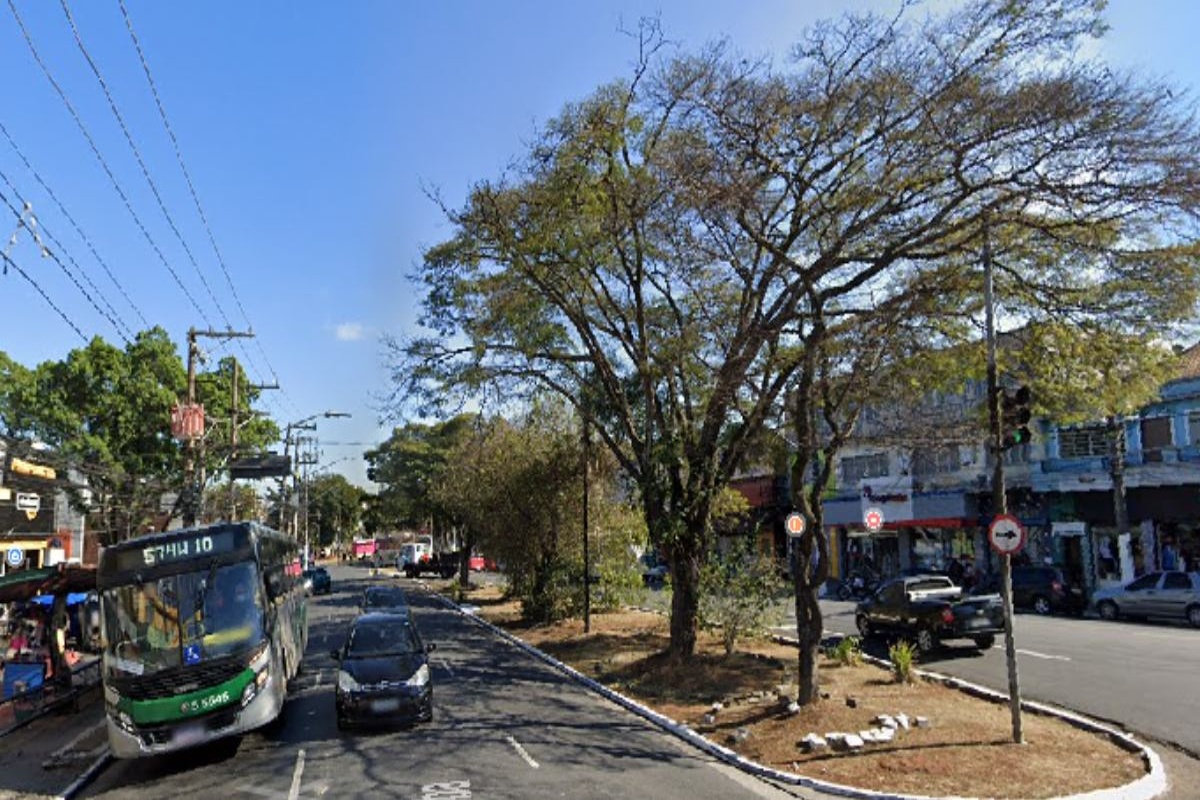

Know The Extent And Urban Impact
Sapopemba Avenue is located in the eastern zone of São Paulo.
It continues to stand out as the longest avenue in Brazil, according to data from the São Paulo City Hall.
This significant roadway reaches an impressive 42 kilometers.
It connects populous neighborhoods and boosts urban mobility in a metropolis that, according to IBGE, surpassed 12 million inhabitants in 2023.
Therefore, the avenue is strategic for daily traffic.
Historical Importance Ensures Connection Between Neighborhoods
Even though many drivers use alternative routes, Sapopemba Avenue remains vital for São Paulo.
Since its official inauguration in 1960, according to records from DER-SP, the avenue has undergone several expansion works.
Thus, it integrates neighborhoods such as Vila Prudente, Sapopemba, Jardim Planalto, and Cidade Tiradentes.
This data comes from a survey published by the Municipal Secretariat of Mobility and Traffic.
This connection facilitates commutes and promotes local development.
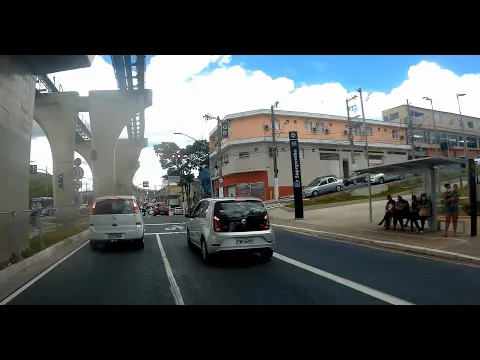

Extent Promotes Mobility With Challenges
In addition to interlinking densely populated areas, Sapopemba Avenue also hosts significant commercial points.
This reinforces its role as an essential logistical hub.
However, experts point out some challenges.
The high traffic volume makes the roadway one of the most challenging for traffic flow in São Paulo.
Therefore, maintenance and improvement works are still on the agenda.
Studies by the São Paulo Metro indicate the need to expand bus corridors.
-
New Smart Radar Begins Issuing Fines to Solo Drivers in Carpool Lanes, Uses Cameras to Count Occupants, Changing Traffic Enforcement Rules on Busy European Roads

-
Why can the crane operator only obey the correct signalman on the construction site: among dozens of workers, a hand raised by the wrong person can confuse the maneuver and turn a load of tons into an immediate risk.
-
What changes with the new public transportation rules that can reduce pressure on fares and pave the way for zero fare in Brazil?
-
Argentina confirms Belgian giant to lead strategic Paraná River waterway and promises to reduce logistical costs on one of South America’s most important routes


Local Development Boosted By Investments
Due to its extent, Sapopemba Avenue receives attention from various infrastructure programs.
According to the City Hall Portal, in a report from May, over R$120 million has been invested in the last four years.
This funding has been used for improvements in paving, lighting, and signage.
Thus, the population benefits from safer and faster commutes.
Additionally, local merchants reported a growth in sales.
Mobility favors neighborhood commerce.
Urban Relevance Reinforced By Public Policies
Thus, it can be affirmed that Sapopemba Avenue maintains its relevance even with the challenges of the capital.
According to Mayor Ricardo Nunes, in a press conference held in June, new actions are planned until the end of 2025.
Among them are the construction of bike paths and bus corridors.
Therefore, the country’s longest avenue continues as an example of well-planned infrastructure and urbanism.
It ensures mobility, development, and quality of life in one of the most populous cities in Latin America.