





 Portuguese
  English
  Spanish
  3 min of reading


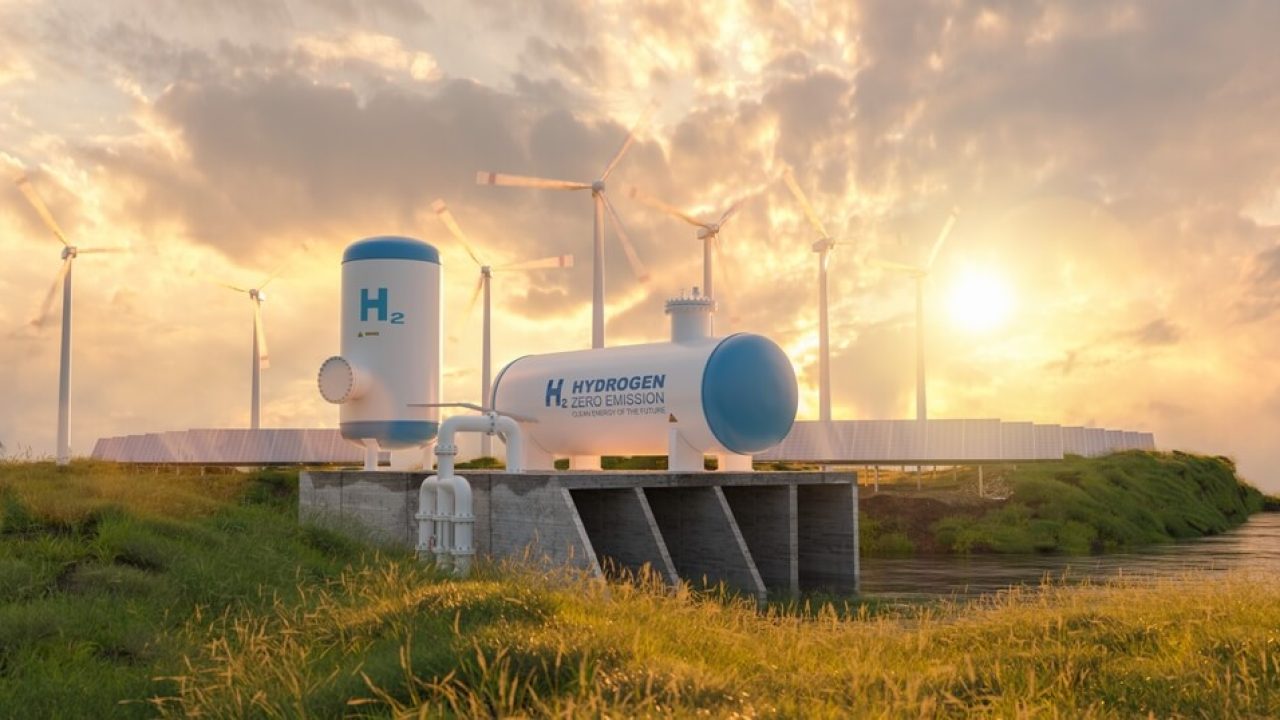
An Analysis Conducted by H2 Brazil, a Project Focused on Corporate Hydrogen Development in the Country, Indicates a Significant Growth of Green Hydrogen Projects in Brazil.
According to the mapping conducted, at least 42 projects are at different stages of development in various Brazilian regions. Most green hydrogen projects are located in ports in the northeast of the country, an area that has the majority of solar capacity. The mapping, which is expected to be completed by the end of 2023, identified over 800 companies and institutions across 12 sectors of the green hydrogen value chain in five Brazilian regions.
José Zloccowick, Coordinator of H2 Brazil, reported that an interactive tool will soon be launched to detail the projects and the actors involved in each state.
The green hydrogen hubs in the port regions are highlighted as one of the main business models for the development of green hydrogen in Brazil, as these hubs concentrate all the demand from the port industrial complexes in one location and can meet export demand. Additionally, the production of green ammonia is one of the alternatives for transportation.
-
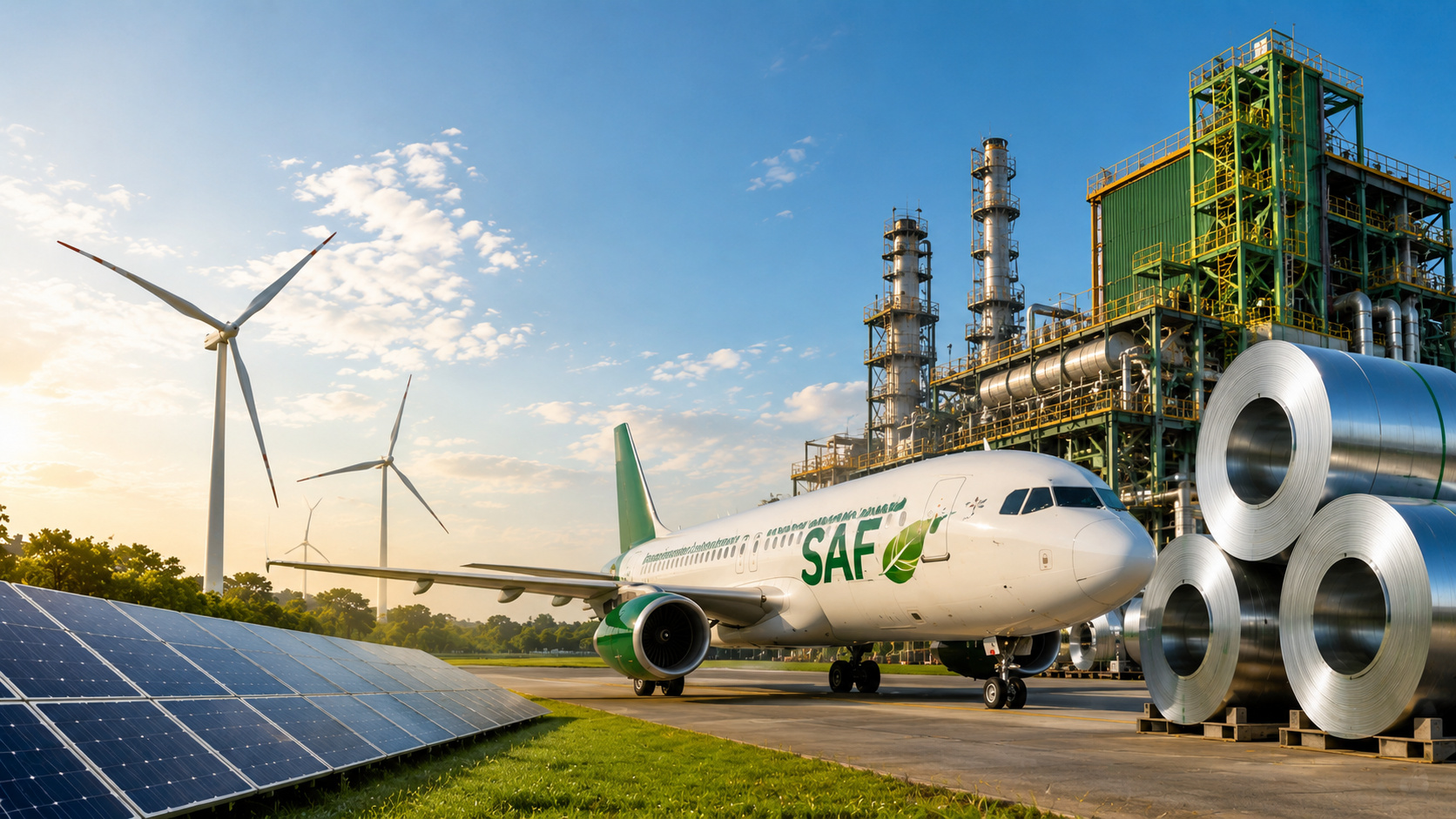
Study by Global Project Tracker reveals: While major economies compete for climate leadership, Brazil gathers a potential of US$ 306 billion in sustainable industrial projects and advances in the production of SAF and green aluminum, attracting international capital and strengthening its global strategic position.

-
Brazil may fall behind, and irreversibly so, in the global technological race involving the implementation of Data Centers and investments in Artificial Intelligence (AI). Much smaller but more agile economies, such as those of Argentina and Paraguay, have taken the lead.

-
Brazil is generating so much clean energy that the ONS had to implement an unprecedented emergency plan to contain the solar and wind surplus in the grid.

-
USA covers canal with 2,556 solar panels and transforms irrigation into a clean power plant in the middle of a drought-stricken region



The Production of Green Hydrogen Can Be Seen as a Way to Explore Brazil’s Huge Renewable Generation Potential.
Among the projects in development, there are 99 GW of solar energy and 25 GW of wind energy. About 73% of the cost of green hydrogen production is represented by electricity.
The goal is to make the green hydrogen produced in Brazil competitive. To achieve this, the price of renewable energy in the country needs to reach values between US$ 10/MWh and US$ 30/MWh (R$ 149/MWh), according to estimates presented at the Intersolar Summit Northeast. It is essential for renewable energy to become increasingly accessible for green hydrogen production to be viable.
Although the level of competitiveness is still far from the auction prices, the cost of transportation and storage will also be a differential for the production and commercialization of green hydrogen. The geographic location of the ports in the northeast of the country and the presence of industrial consumers who can make joint investments in infrastructure may be important to position Brazil as a leader in the global race for green hydrogen.
The Expectation is That Green Hydrogen Produced in Brazil Becomes a Reliable and Sustainable Alternative for Economic Development and Environmental Preservation.
The country has favorable climatic and geographical conditions for large-scale clean energy production, which can make it increasingly competitive in the international market and more resilient to external shocks affecting energy trade.
With this scenario in evidence, green hydrogen emerges as an important renewable energy source that can significantly contribute to the reduction of pollutant emissions, in addition to promoting economic and social development for Brazil.





Be the first to react!