Portuguese
  Spanish


Solar energy continues to evolve and is now advancing to a new frontier: space. In this context, Meta announced a strategic partnership to explore solar energy collection outside of Earth.
The proposal involves capturing sunlight directly in space and transmitting it to the planet. In this way, the company seeks to meet the growing energy demand of its artificial intelligence data centers.
With the advancement of AI, energy consumption is growing rapidly. Therefore, technology companies are looking for more efficient and sustainable solutions.
-
Brazil’s Vitória Airport to Launch Solar Plant Covering Area of 10 Soccer Fields, Boosting Clean Energy and Cutting Costs

-
Switzerland Converts Train Tracks into Solar Power Plants with Removable Panels to Generate Energy Without Using Additional Land
-
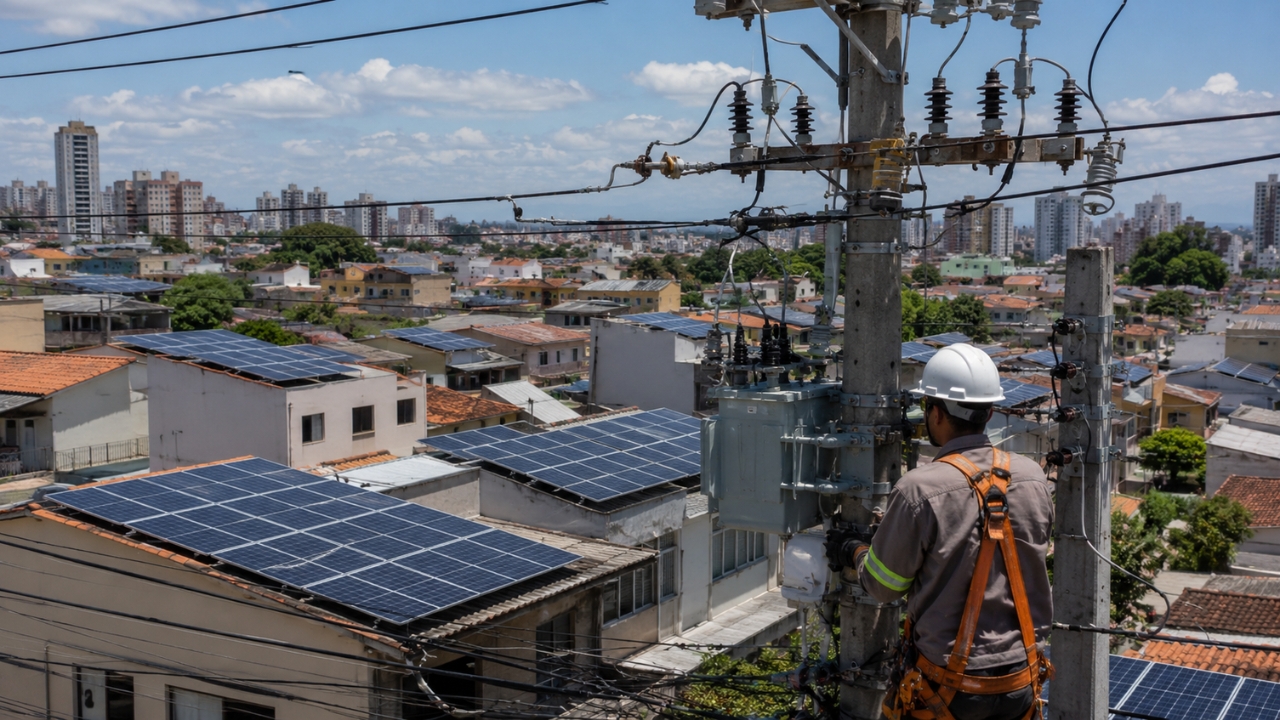
Surge in Solar-Powered Homes in Brazil Leads to Grid Strain and Connection Restrictions in Three States

-
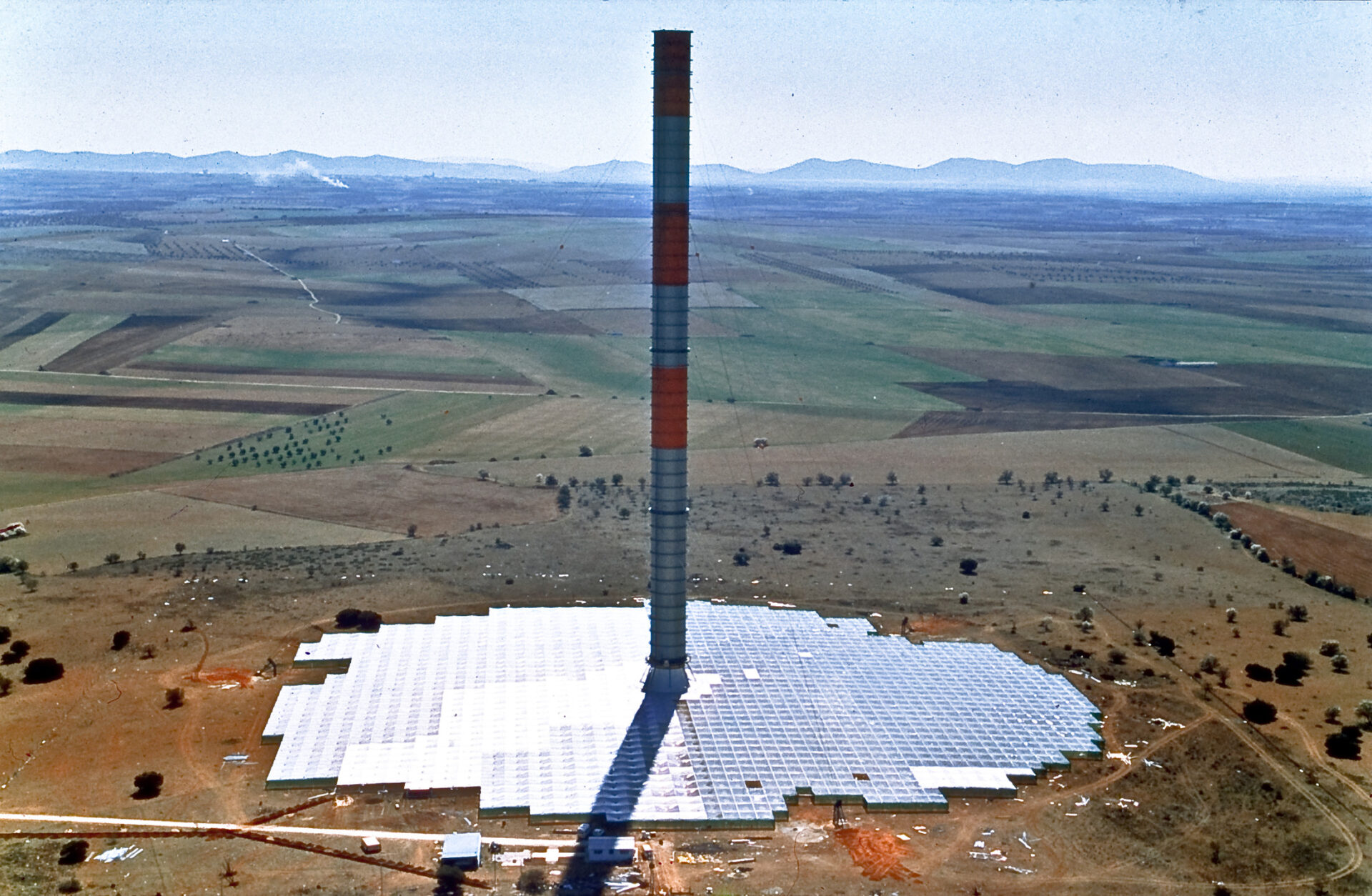
Solar Chimney in Spain Harnessed Sun to Generate Electricity for 7 Years Without Burning Fuel



Why space solar energy is attracting attention
Solar energy collected in space offers significant advantages over traditional systems. Firstly, collection occurs without interference from clouds, weather, or the day-night cycle.
In other words, production can happen continuously. This represents a major advance compared to terrestrial solar plants, which depend on direct sunlight.
Furthermore, the intensity of solar radiation in space is higher. As a result, energy generation can be more efficient.
In this sense, the technology emerges as a promising solution to ensure a stable energy supply.

Meta’s partnership and the advancement of solar energy
Meta has partnered with the startup Overview Energy to develop this technology. The main objective is to enable the transmission of energy from space to Earth.
This process involves converting solar energy into waves, which are sent to receiving stations on the planet. This energy is then transformed back into usable electricity.
Thus, the company intends to create a new form of energy supply.
Furthermore, the initiative seeks to reduce dependence on traditional sources and increase the energy efficiency of digital systems.
AI growth drives energy demand
The growth of artificial intelligence has a direct impact on energy consumption. Data centers require large amounts of electricity to process data, train models, and maintain continuous operations.
Therefore, companies like Meta face the challenge of ensuring sufficient energy without increasing carbon emissions.
In this scenario, solar energy appears as a sustainable alternative. However, the limitation of terrestrial generation still represents an obstacle.
Thus, the exploration of solar energy in space emerges as an innovative solution to meet this growing demand.
Environmental benefits of space solar energy
Solar energy is already considered a clean source. However, when collected in space, its benefits can be amplified.
Firstly, continuous production reduces the need for large-scale storage. This lowers costs and increases efficiency.
Furthermore, the technology can contribute to the reduction of pollutant gas emissions. Consequently, it helps in the fight against climate change.
Another relevant point involves the possibility of providing energy to remote regions. This can expand access to electricity in different parts of the world.
Technological challenges and high costs
Despite its potential, space solar energy faces significant challenges. The first involves the high cost of developing and launching equipment.
Satellites and orbital structures require significant investment. Furthermore, energy transmission technology is still in the testing phase.
Another challenge involves the efficiency of energy conversion. During the transmission process, some energy may be lost.
Therefore, economic viability still depends on technological advancements and cost reduction.
Safety and viability of energy transmission
The transmission of energy from space to Earth also raises safety concerns. Scientists and engineers are working to ensure that the process is safe and efficient.
In this context, energy can be transmitted by microwaves or lasers. However, these methods require rigorous control to avoid risks.
Furthermore, terrestrial infrastructure needs to be adapted to receive this energy. This includes the construction of specific receiving stations.
Thus, the success of the technology depends on integration between space and terrestrial systems.
Solar energy and the future of data centers
The relationship between solar energy and data centers tends to intensify in the coming years. As AI advances, energy consumption grows at an accelerated rate.
Technology companies are already seeking sustainable solutions to maintain their operations. In this sense, solar energy in space can become a competitive differentiator.
Furthermore, the adoption of this technology can reduce operational costs in the long term. This occurs mainly with the stabilization of energy supply.
Therefore, energy innovation becomes essential for the growth of the digital sector.
Global impacts of solar energy in space
If the technology becomes viable, its impacts could be global. Countries will be able to access energy more stably and independently.
Furthermore, dependence on fossil fuels may decrease. This will contribute to a cleaner and more diversified energy matrix.
At the same time, new economic opportunities may arise. Companies specializing in space technology and energy are expected to gain prominence.
Thus, solar energy in space can transform not only the energy sector but also the global economy.

The future of solar energy beyond Earth
Meta’s initiative shows that solar energy continues to evolve rapidly. The move into space represents a new chapter in the search for sustainable solutions.
However, the path still requires technological development, investment, and international cooperation.
On the one hand, the benefits are promising. On the other hand, the challenges show that implementation will not be immediate.
Nevertheless, the trend indicates that solar energy will play an increasingly central role in the energy future.
Thus, the exploration of solar energy in space can consolidate as one of the main solutions to meet the growing demand for clean and efficient energy worldwide.