






 Portuguese
  Spanish
  3 min of reading
  0 comments


Improvised solution drew attention during Japan’s mandatory inspection but ended up being accepted for meeting the requirements set out in local regulations
An unusual situation involving a 1993 Jeep Wrangler YJ, a rigorous vehicle inspection, and an adaptation made with cardboard, adhesive tape, and simple electrical components gained attention after being reported by the automotive portal Carscoops this month. The protagonist of the story was Matt Norton, a member of the United States Air Force, who needed to approve the vehicle in the Japanese Compulsory Inspection, known as JCI. The utility vehicle, nicknamed Buford, had off-road preparation, raised suspension, widened fenders, and 33-inch tires, which ended up creating a technical problem during the inspection.
Technical review of the inspection identified incompatibility between headlights and modified fenders
The evaluation conducted in Japan pointed out that the Jeep was not in compliance with a specific rule regarding the positioning of the front lights. According to the inspectors, the distance between the headlights and the outer edge of the fenders exceeded the limit allowed by local regulations by about 3 centimeters. The initial disapproval, however, did not require the permanent removal of the modified components, as the inspectors themselves indicated that simply repositioning the headlights would allow the vehicle to meet the technical criterion.
Cardboard, adhesive tape, and creativity were used to meet legal requirements
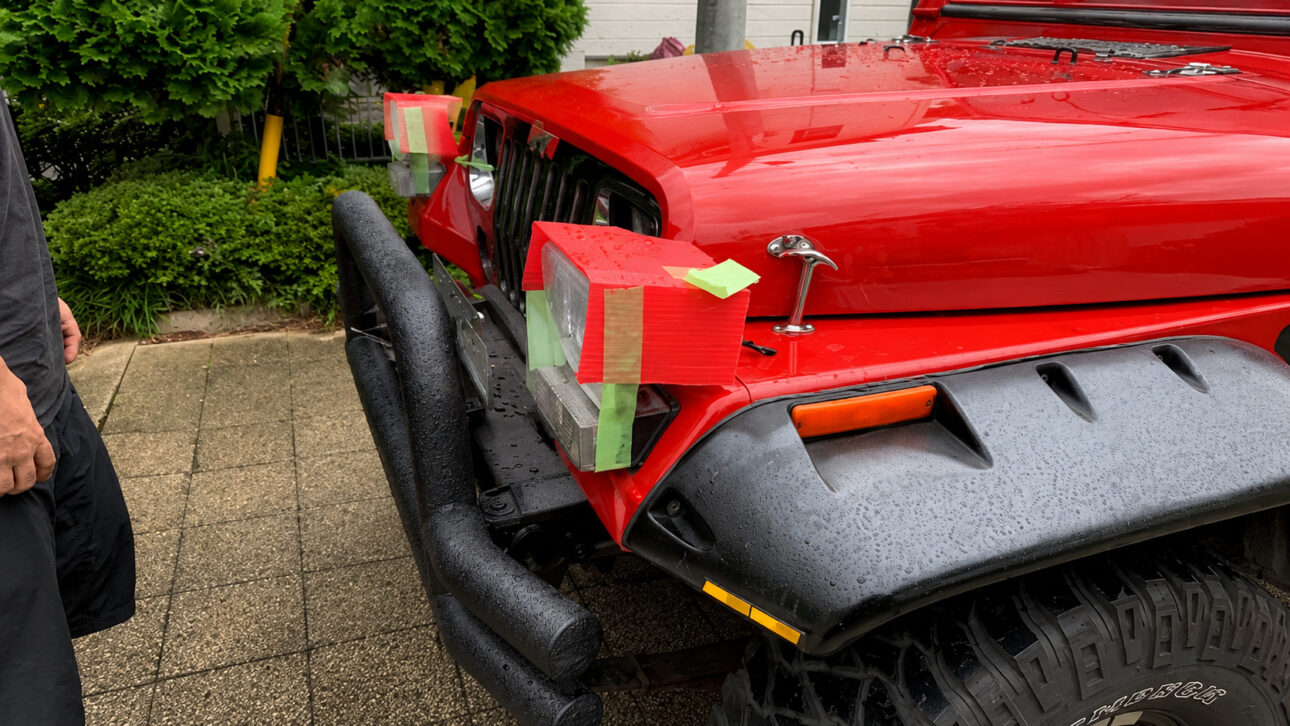
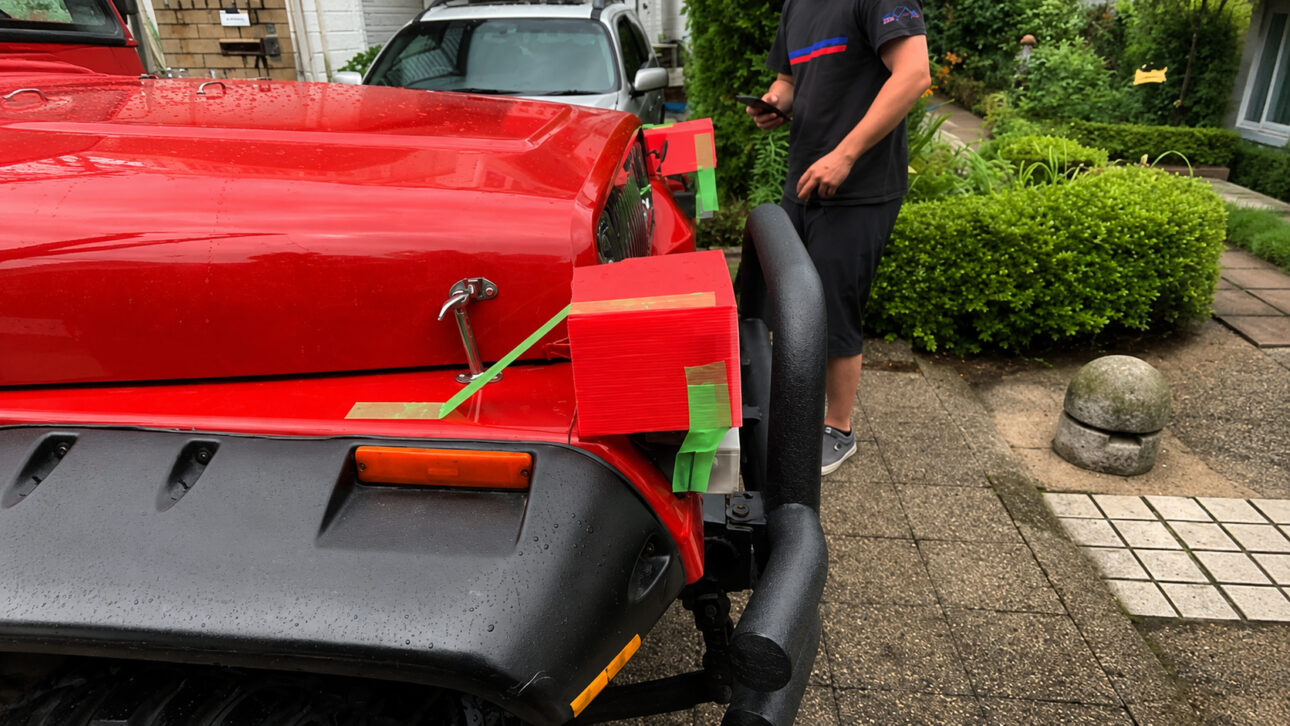
Matt Norton went to a hardware store and bought cardboard, adhesive tape, electrical wires, and connectors to make the temporary adaptation. With the help of a friend, he removed the square headlights from the Jeep’s front grille and assembled improvised external supports with cardboard boxes, attaching the structures directly onto the fenders. The appearance was strange and drew attention, but the new position of the lights complied with the measurement required by the Japanese inspection.
-
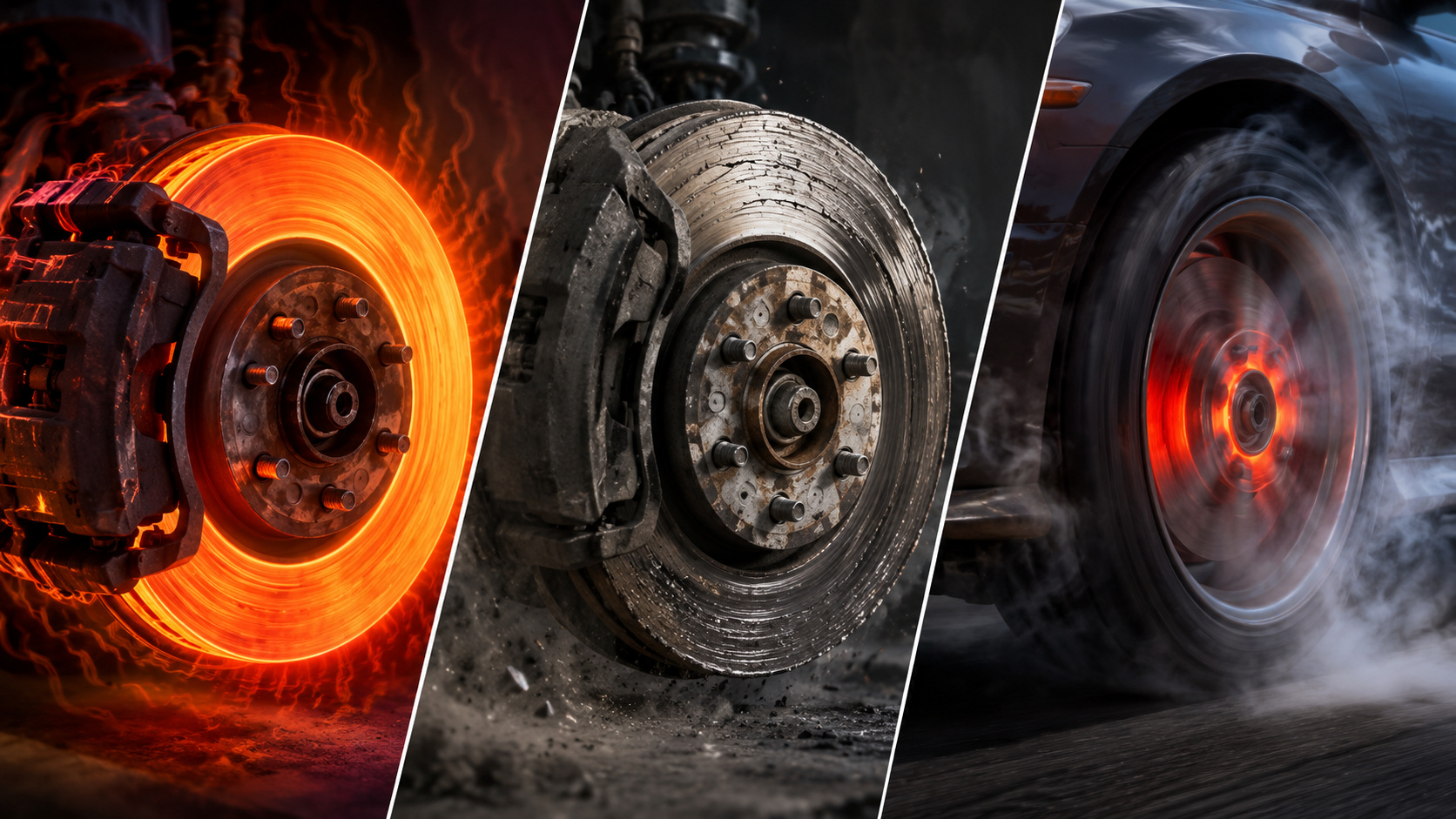
Keeping your foot lightly on the brake pedal while driving may seem harmless, but mechanics warn: this habit generates constant heat, wears out the pads too quickly, and can warp the discs, making braking expensive and dangerous.

-
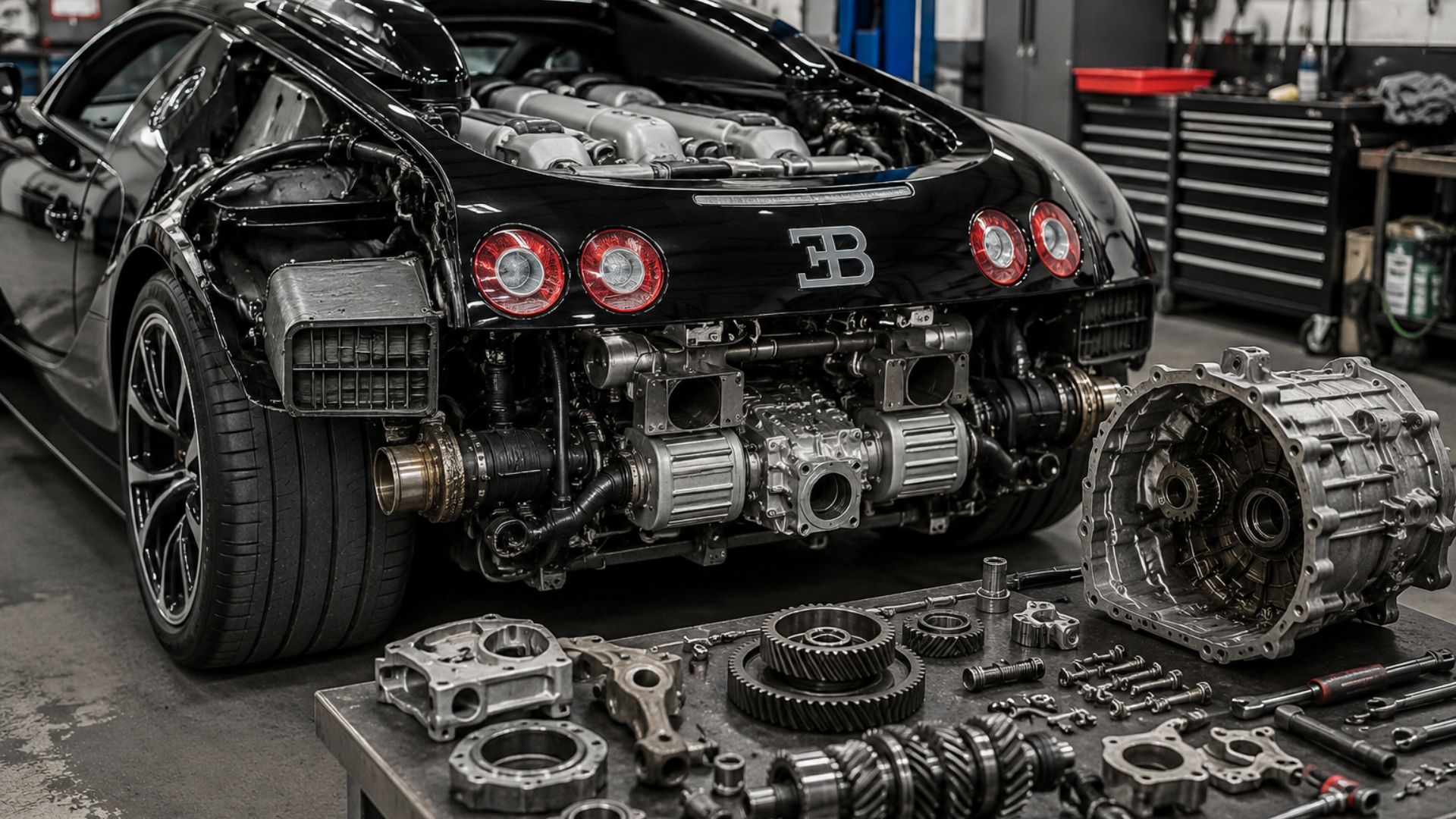
The YouTuber Mark McCann bought a Bugatti Veyron for almost $1.2 million, but discovered that the supercar’s gearbox is so damaged that even Bugatti itself won’t accept to repair it, and the repair could cost a fortune.

-
Thinking about buying a used HB20? See why the 2015 model is still a crowd favorite, with cheap parts, easy-to-fix mechanics, a strong engine, and quick sales.
-
Suzuki Fronx emerges as the “compact coupe SUV” that Brazil doesn’t have: priced around R$ 37,000 in a tax-free conversion, the model has a hybrid version, 1.0 turbo engine, bold design, and the price of a popular car in India.



Improvised structure passed the evaluation and ensured vehicle approval
The return to the inspection center provoked a good-humored reaction among the professionals responsible for the inspection, as the headlights were held in place with cardboard supports. The improvised appearance, however, did not prevent approval, because the vehicle complied with the established rule for the positioning of the lights. The situation showed that, in that procedure, the main focus was on the technical compliance of the measurements, not on the finish of the solution used.
Last test required immediate adjustment to align the light beam
The process still faced a final obstacle during the light beam alignment test, conducted by a digital scanner. One of the improvised headlights was misaligned, which could prevent final approval. Norton’s friend then pushed the cardboard structure with his hand during the equipment reading until the machine indicated compliance. After that, the box was reinforced with more adhesive tape to maintain the correct position.
Approval was followed by the immediate reinstallation of the original components
After obtaining the registration seal, Norton left the inspection center, stopped in a parking lot, and dismantled the entire temporary structure made of cardboard. He then reinstalled the headlights in the original factory fittings, returning the Jeep to its pre-inspection configuration. Later, Matt Norton and his family left Japan and moved to Hawaii, where they maintain a collection of three Jeep Wrangler models, all equipped with manual transmissions.
The case highlights how technical rules can generate unexpected solutions
The story drew attention for involving an improvised solution within a regulatory process known for its technical rigor. Although the adaptation was made with simple materials, it met the requirement applied at that moment and allowed the vehicle’s approval. The episode shows how small compliance rules can generate creative adjustments, especially when modified vehicles need to adapt to very specific standards.
Do you believe that a vehicle inspection should consider only compliance with the standard or also evaluate the method used to achieve this compliance?








Be the first to react!