






 Portuguese
  Spanish


Technical Training Strengthens Mining in Goiás, Enhancing Sustainable Management of Rare Earths and Boosting National and Global Technological Development
The mining in Goiás has been gaining prominence on the national stage for combining innovation, sustainability, and professional qualification, according to a report published.
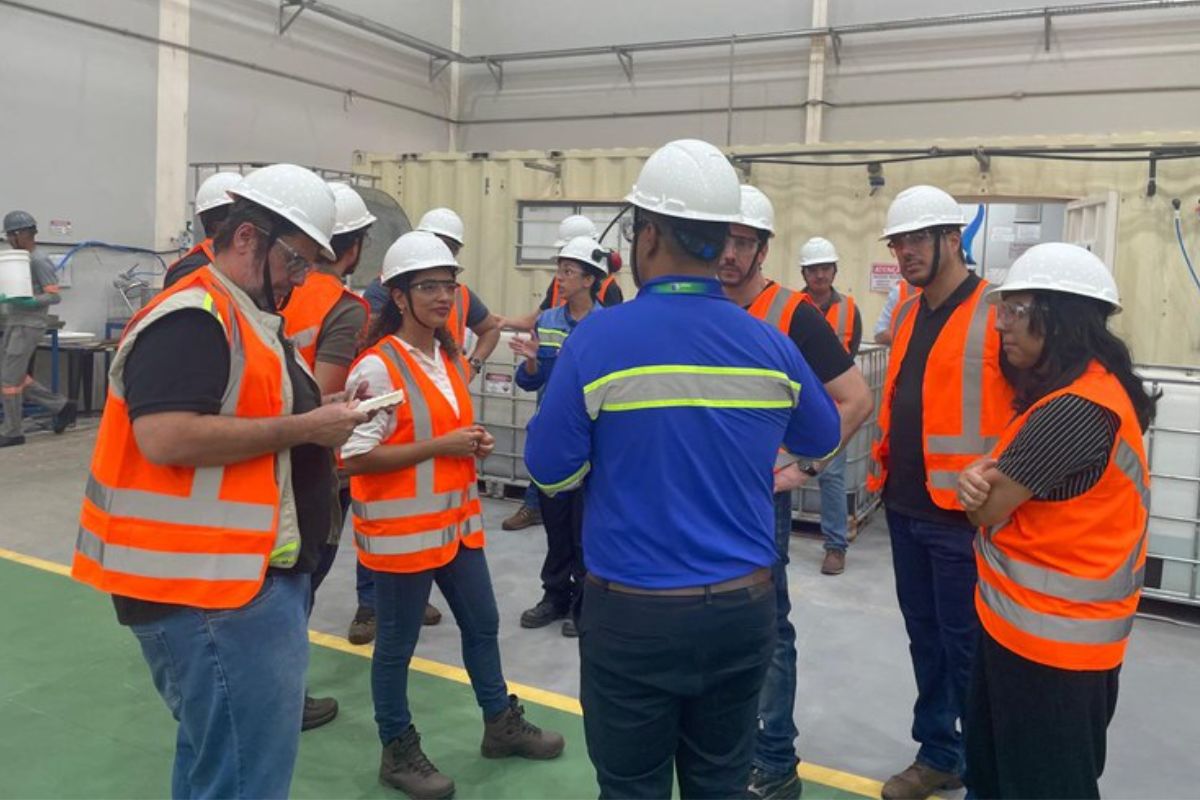
Recently, an initiative from the National Mining Agency (ANM) promoted a technical training that brought together engineers and geologists in Aparecida de Goiânia, aimed at improving the extraction and processing of rare earths.
The action demonstrated how investment in knowledge and technology can transform the future of Brazilian mining, positioning Goiás as a reference in this strategic sector.
-
China could reduce iron ore imports from 80% to 50% of consumption by 2030, while its share in global steel production falls from 52% to 46%, in a shift that could reshape the global market, says CMRG.

-
Brazil is sitting on one of the largest lithium reserves in the world, in the Jequitinhonha Valley, but national mining has almost become an appendage of China: 97% of the metal’s export goes to a single country, which also dominates refining.
-
Iron ore falls to 762 yuan in China as real estate sales decline and steel production hits lowest level since 2018
-
Brazil has minerals, clean energy, and a waiting market, but it could miss a billion-dollar opportunity if it doesn’t speed up the race for green minerals, while the steel industry seeks to reduce emissions.


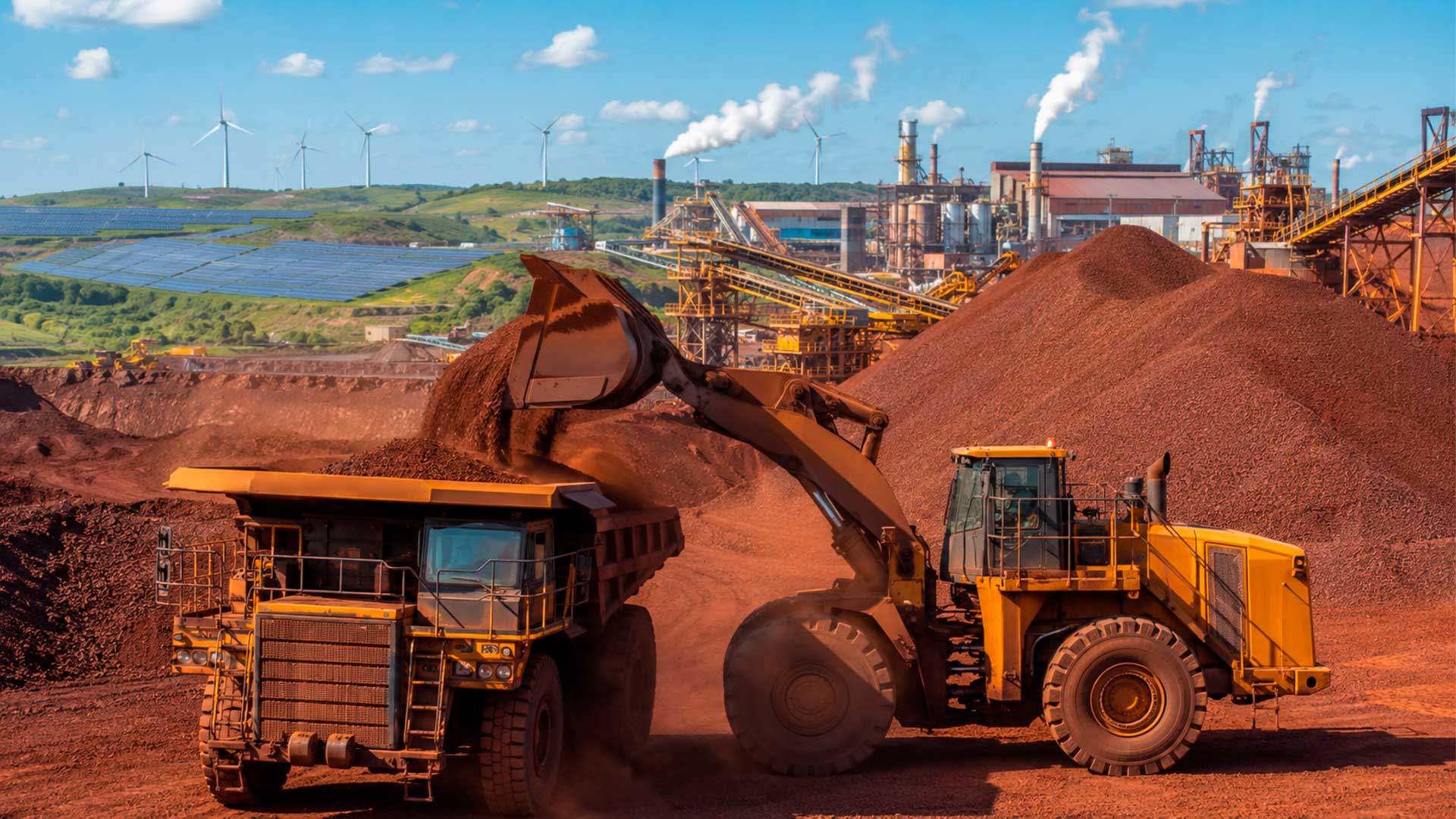
The program allowed professionals to understand, in practice, all the stages of the production cycle, from extraction in Nova Roma to refining the mixed rare earth carbonate, essential material for sustainable technologies like electric cars and wind turbines.
Professional Training and Technology Strengthen Rare Earth Mining
The training visit, held on October 29th, gathered about 10 staff members from the ANM’s regional management in Goiás.
The group, led by manager Wendel Mesquita, participated in practical activities aimed at analyzing technical reports and understanding the oversight and granting procedures applied by the agency.
According to Mesquita, the meeting was essential to align new staff and strengthen the technical knowledge of the teams.
During the training, participants observed the mineral concentration process that transforms one ton of clay into just one kilogram of mixed carbonate, substance that contains 17 rare earth elements.
Geologist Lucas Marinho emphasized that exploration must occur sustainably and responsibly, reinforcing the sector’s environmental commitment.
This integration between technique and sustainability is seen as a milestone in the advancement of mining in Goiás, with direct impacts on efficiency and operational safety.
Mining in Goiás: Sustainability and Innovation Expand the Potential of the Mineral Industry
The production process of rare earths in Goiás is directly linked to technological innovation and sustainability.
At the pilot plant in Aparecida de Goiânia, the mixed carbonate generated is sent for refining in other regions of the country, where it becomes essential input for the manufacturing of high-tech components.
This production chain demonstrates how mining in Goiás is integrated with global demands for clean energy sources and strategic materials for modern industry.
Additionally, the training allowed professionals to better understand the geological structure of the region and the potential for mineral exploitation in the state.
The knowledge acquired reinforces the role of the ANM as a regulatory body and promoter of good practices in the mineral sector, highlighting the importance of ongoing training as a pillar of sustainable development.
Technical Training Drives the Future of Sustainable Mining in Brazil
Mining engineer Rochana Machado emphasized that training represents a fundamental step for the country’s economic and technological growth.
Mastering the techniques of concentration and refining of rare earths strengthens Brazil’s prominence in the global market for strategic minerals.
With initiatives like this, mining in Goiás consolidates itself as an example of integration between efficient management, innovation, and environmental responsibility.
The knowledge shared among staff and technicians broadens analytical capacity, facilitates monitoring of activities, and prepares the state for new challenges in the exploitation of high-value-added mineral resources.



Be the first to react!