





 Portuguese
  English
  Spanish
  3 min of reading


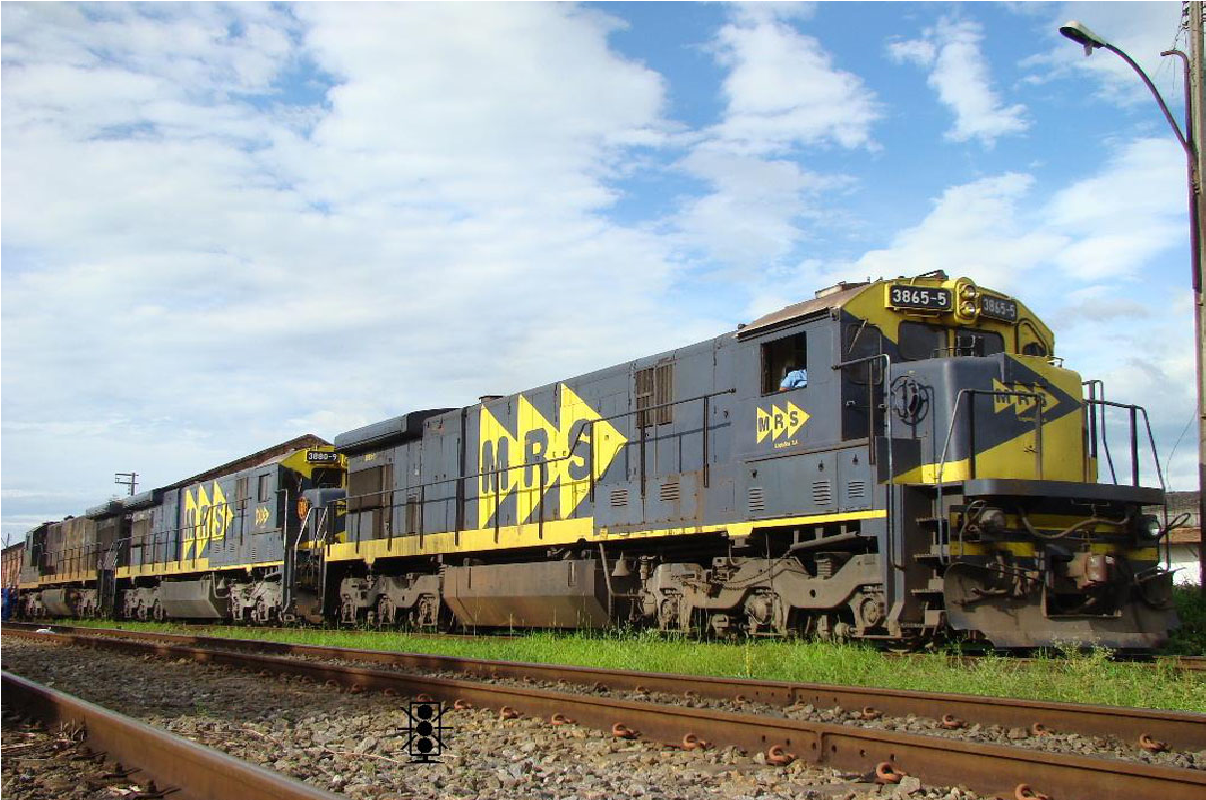
The Railways, Managed by MRS and Set to Renew Contract with the Government, Transport Various Components Such as Coal and Bauxite
Following the authorization from the TCU, Tribunal de Contas da União, the Ministry of Infrastructure, an agency of the government, anticipates the signing, on the 29th, of the renewal for another 30 years of the MRS Logística permission contract, a railway company that controls just over 1,600 kilometers of tracks in the Southeast region. The contract signing will take place in the city of Juiz de Fora (MG).
According to MRS, approximately 20% of what is exported by Brazil and one-third of the total cargo transported by trains in Brazil pass through MRS tracks. With the contract renewal anticipated by the government, the company, which has managed the authorization since 1996, will operate the asset until 2056.
The railway transports cargo such as cement, bauxite, agricultural products, containers, steel, coke, coal, and iron ore. The contract renewal anticipated by the government follows a government policy already practiced in other railways, such as the Malha Paulista, managed by Rumo. The forecast is that more than R$ 11 billion will be invested from the new renewal contract signed with MRS.
-
Retired trains leave European tracks and become tons of steel, aluminum, and copper in dismantling yards where recycling exceeds 90%, but batteries, composites, and electronics create a new frontier of railway waste.

-
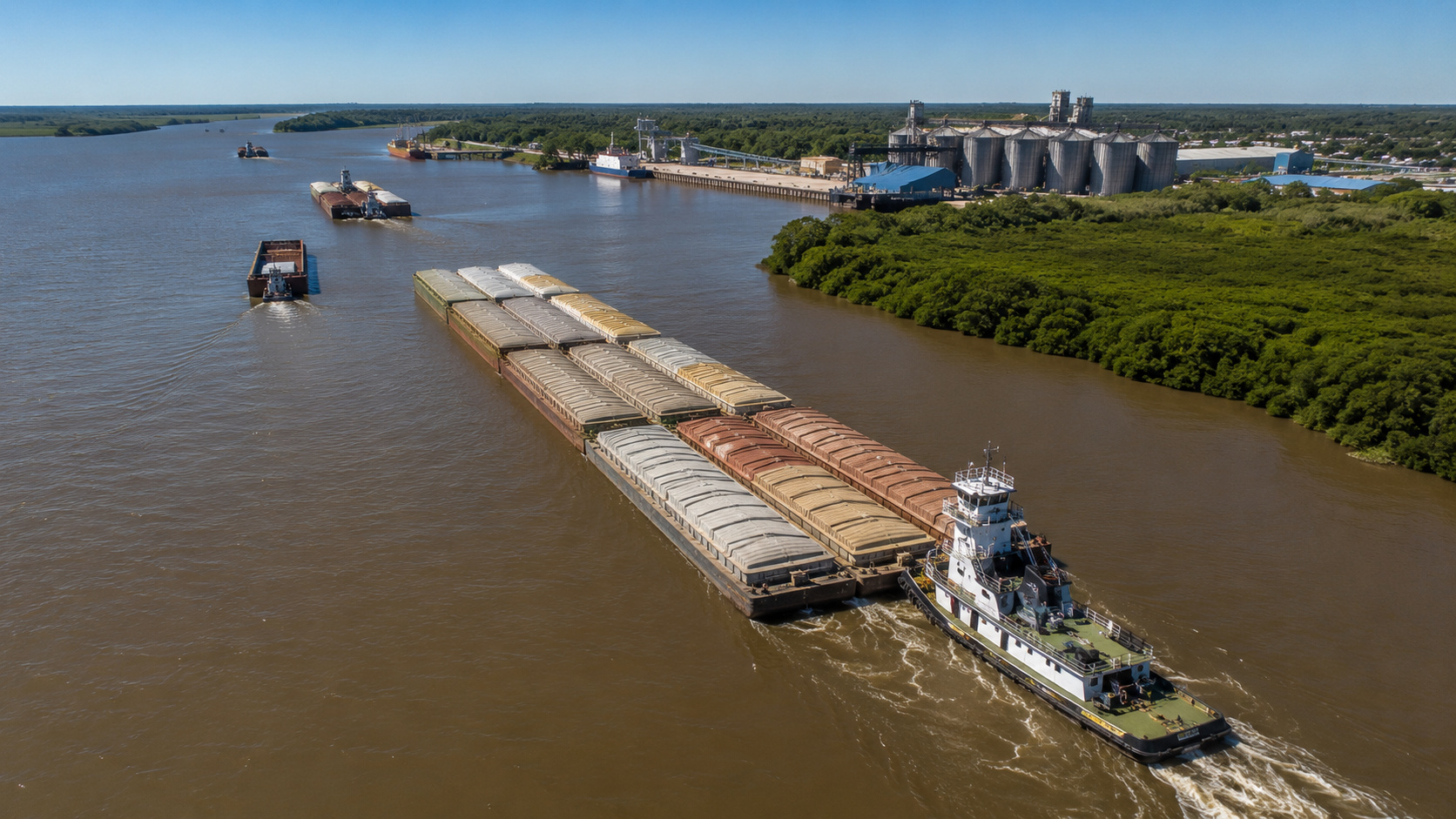
Argentina confirms Belgian giant to lead strategic Paraná River waterway and promises to reduce logistical costs on one of South America’s most important routes
-
The strategic railway of Santa Catarina will receive R$ 608 million, will undergo historic modernization, and could transform logistics between Mafra and the Port of São Francisco do Sul.
-
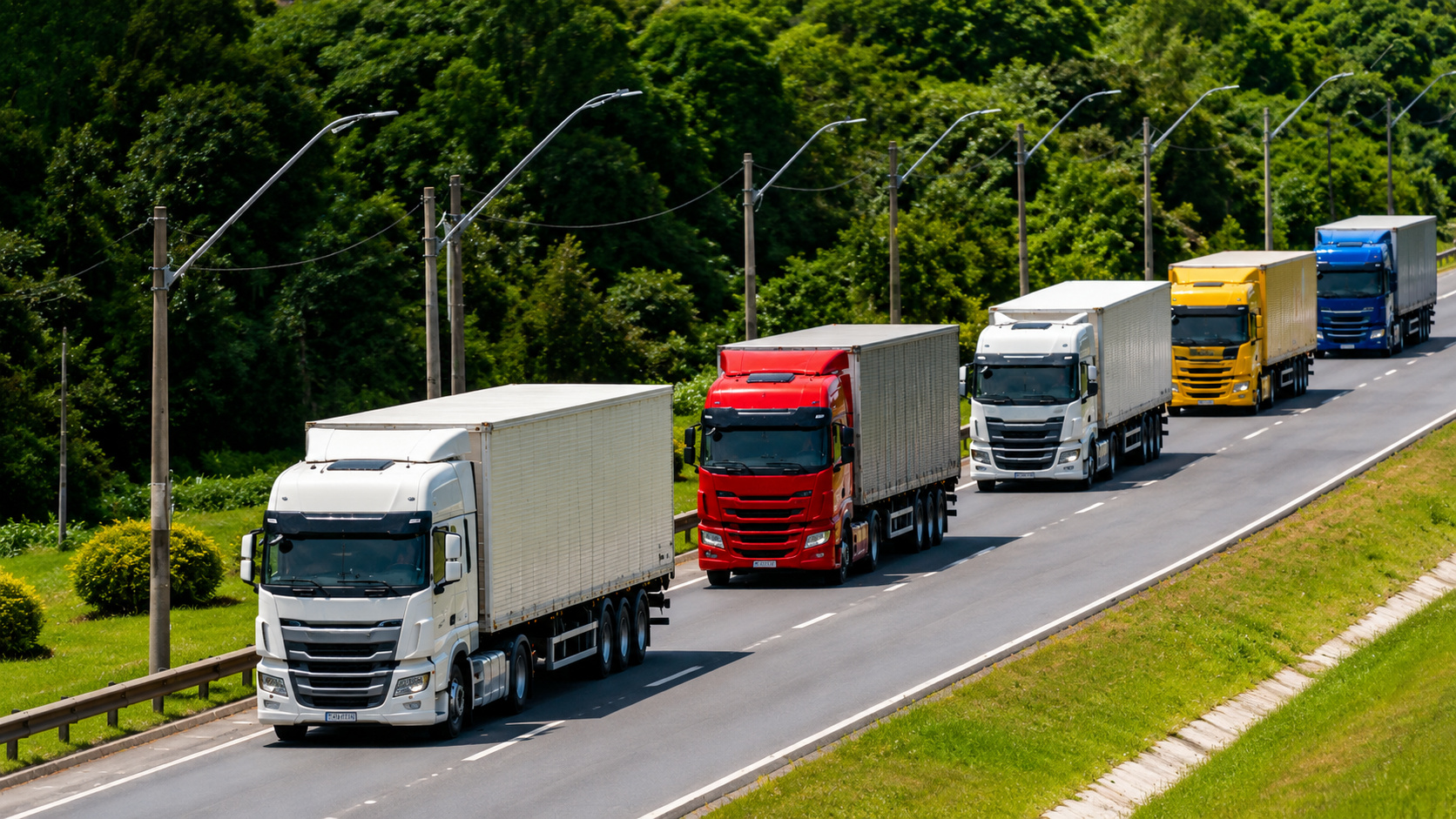
MBRF surprises the logistics sector by demonstrating how Artificial Intelligence can directly influence deliveries throughout Brazil by reorganizing distribution routes in seconds, optimizing fleet usage, reducing logistics costs, and speeding up product arrivals even in the face of unforeseen road incidents.



MRS
MRS is a logistics company that manages a railway network of about 1,643 km in the states of Minas Gerais, Rio de Janeiro, and São Paulo, the region responsible for about half of Brazil’s GDP. Currently, MRS is among the largest freight railroad operators in the world, with a production nearly four times greater than that recorded in the 1990s.
The company was established in 1996 when the government transferred the management of the national railway system to the private sector. MRS’s railway network connects the regions that produce mineral and agricultural commodities and some of Brazil’s main industrial parks to the largest ports in the Southeast region.
In addition to freight transport, MRS also offers larger logistics solutions, such as planning and the development of multimodal solutions, those that use more than one mode of transport, as well as customized railway services. MRS currently has some indicators comparable to the most efficient railways in the United States and Europe, concerning energy efficiency, asset availability and reliability, safety, and productivity, and is also distinguished by the intense use of technology and a culture of innovation.
Customer Safety
One of the major challenges for all national railways with contracts with the government is the efficient management of the level of mutual interference between rail transport and communities, as well as the safety of people living around the rail lines. Over the years, MRS has made progress in the efficient management of these issues, thanks to investments for results in cities and for the movement of communities.
MRS’s Responsibility
MRS plans for the railway’s social transformation power to have grand effects on society. The company maintains numerous dialogue and well-being promotion programs for the families of its employees and also for the communities along the railway. Additionally, the company has a vast portfolio of projects in social investments. MRS was the first railway in Brazil to obtain certification from Ibama and also maintains ongoing environmental management programs aimed at addressing impacts on cities.





Be the first to react!