Portuguese
  Spanish


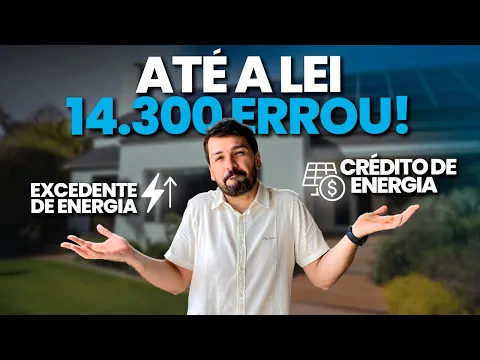
Understand How The New Fee Impacts The Economy Of Those Investing In Solar Energy In SC, Affecting Bills And Financial Planning.
In recent years, Brazil has experienced a significant advance in renewable energy production, especially in the solar energy sector.
In Santa Catarina, many families and businesses invested in photovoltaic systems to generate their own electricity.
However, recent regulatory changes directly impact consumers’ wallets and therefore raise questions about the future of solar energy in SC.
-
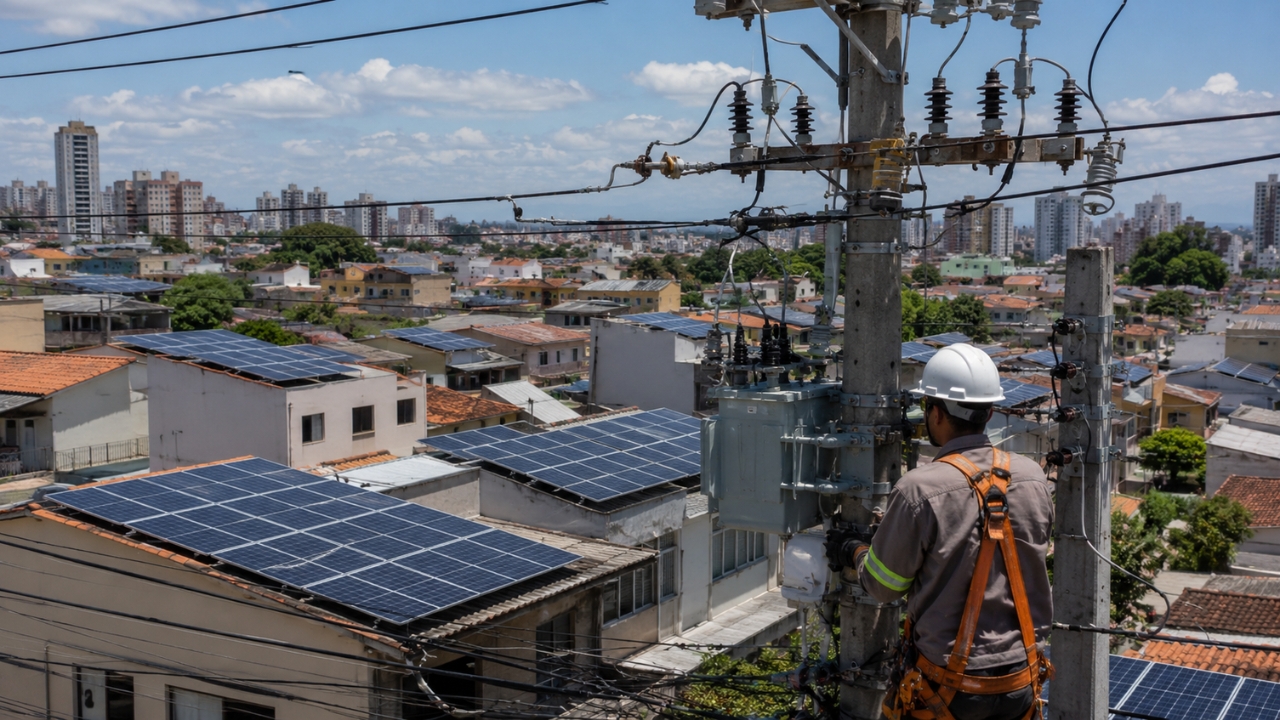
World’s Largest Engie Solar Plant in Brazil Highlights Billion-Dollar Energy Waste Issue: Company Considers Batteries and Bitcoin Mining to Avoid Wasting Production

-
Over 60 Tractors Take to the Streets in Lopera as Solar Parks Compete with Olive Groves, Affecting 13,000 to 100,000 Trees According to Conflicting Reports

-
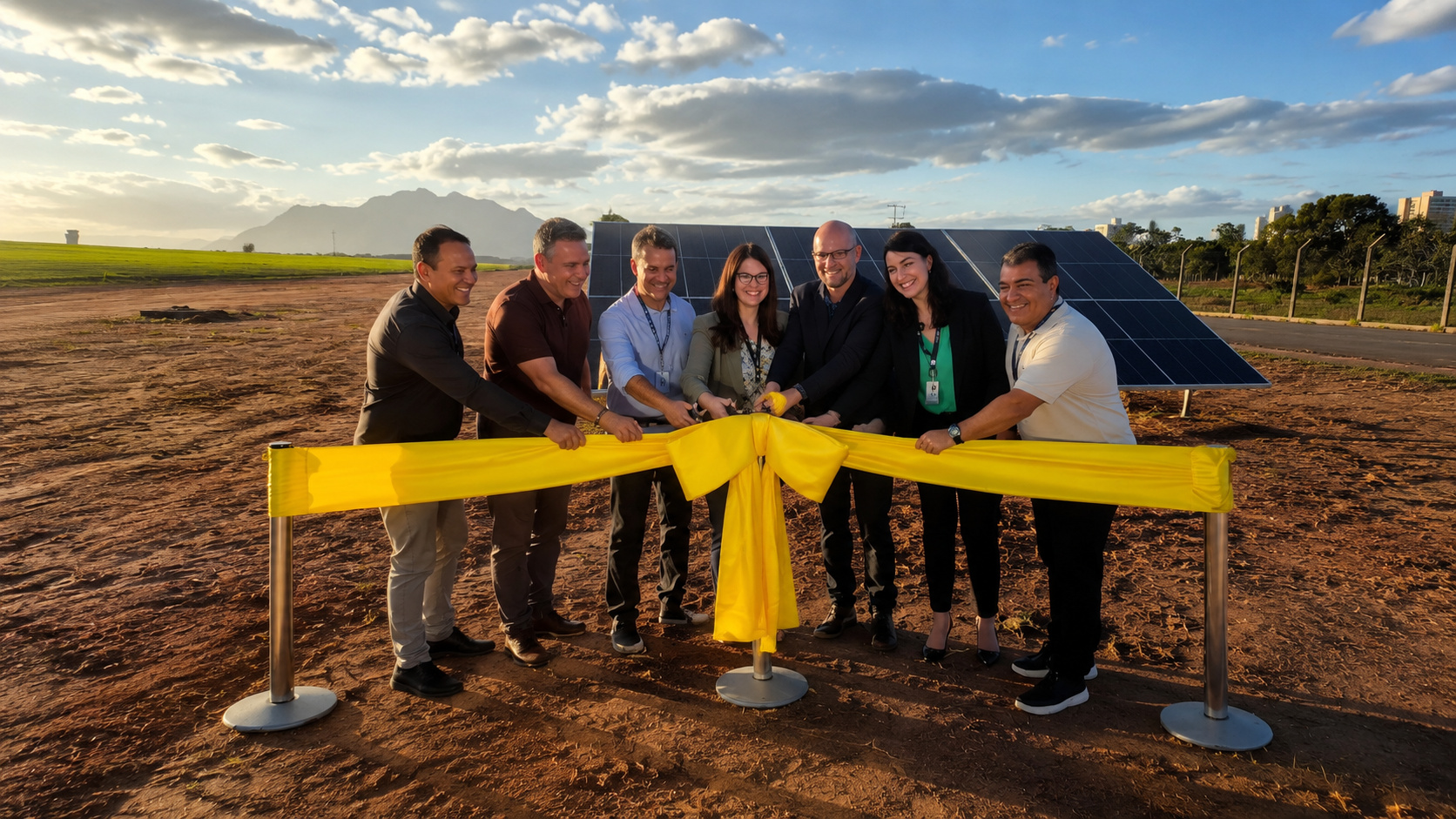
Brazil’s Vitória Airport to Launch Solar Plant Covering Area of 10 Soccer Fields, Boosting Clean Energy and Cutting Costs
-
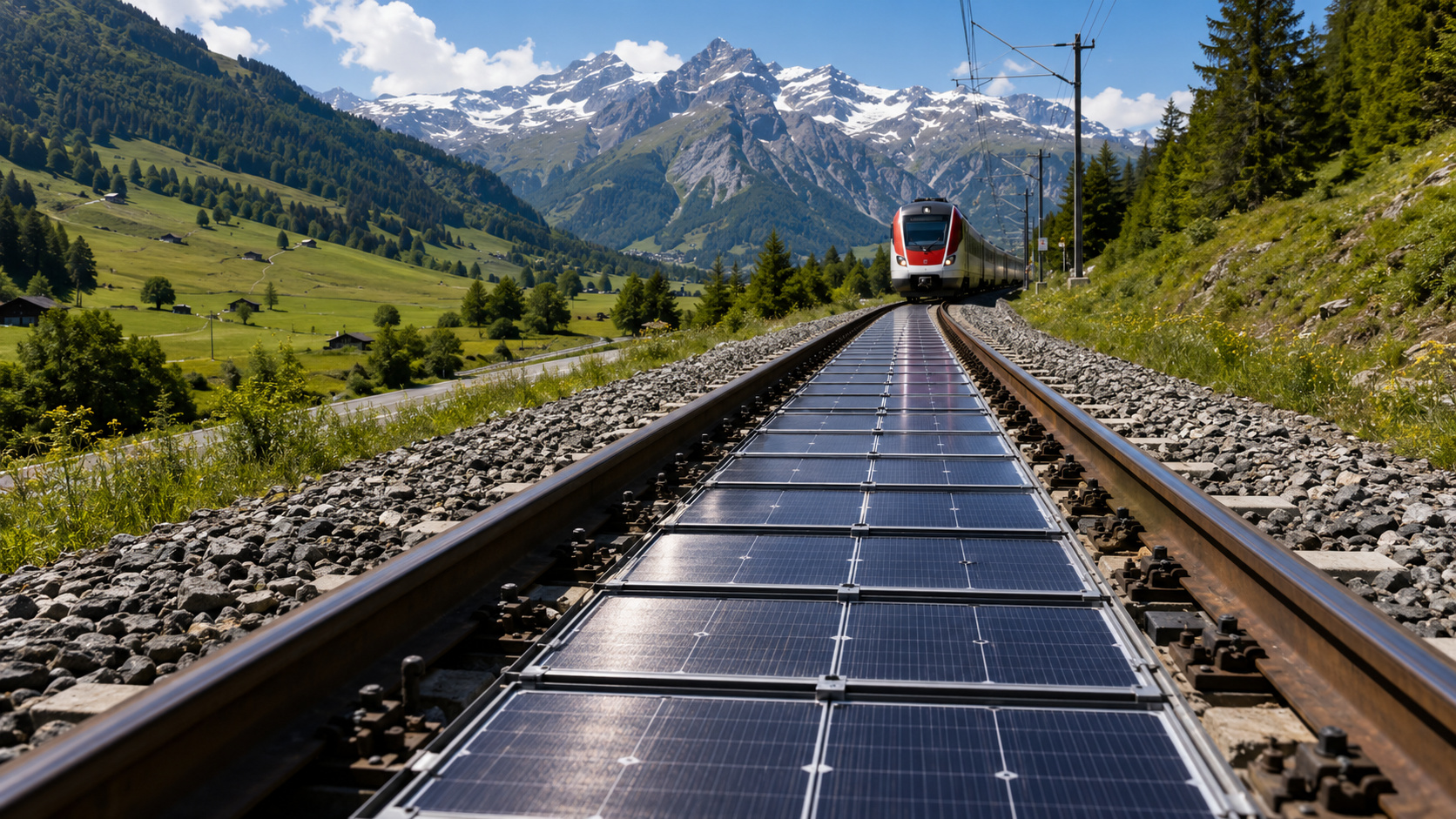
Switzerland Converts Train Tracks into Solar Power Plants with Removable Panels to Generate Energy Without Using Additional Land


The historical background of solar energy in the country began with government incentives and support programs for micro and distributed mini-generation.
Until 2012, solar energy production was concentrated in large companies, due to the high cost of panels and the lack of incentive policies.
However, with the approval of Law 14.300/2022, known as the Legal Framework for Micro and Distributed Generation, the landscape changed.
The legislation established clear rules for consumers who wish to generate energy and inject the surplus into the electrical grid, thus providing greater legal security and predictability.
In addition, the popularization of photovoltaic systems and the drop in solar panel prices encouraged the expansion of residential and commercial solar energy.
This transformation did not occur immediately; it required investments, research, and financing programs that stimulated the adoption of the technology.
Therefore, Santa Catarina, with its favorable solar radiation and consolidated electrical infrastructure, became a hub for distributed generation, encouraging businesses and consumers to invest in clean energy.
Growth Of Solar Energy In Santa Catarina
In Santa Catarina, the adoption of solar energy increased significantly starting in 2015.
Municipalities such as Florianópolis, Joinville, and São José recorded growth in the installation of residential and commercial photovoltaic systems.
thus, consumers expected to significantly reduce their electricity bills, taking advantage of the abundant solar radiation in the state.
Until recently, this strategy brought great advantages, as users who generated electricity during the day could consume at night without additional tariffs, paying only the minimum fee on the bill.
However, starting in 2023, the National Electric Energy Agency (Aneel) implemented changes that altered this scenario.
The Regulatory Resolution 1.059/2023 determined the charging of a fee on the surplus energy injected into the grid, following, therefore, Law 14.300/2022.
This progressive charging, which will gradually increase until 2029, meets the need for utilities to cover costs related to grid maintenance, software, customer service teams, and infrastructure.
Thus, Celesc, responsible for distribution in Santa Catarina, began to implement the new rule and informed customers about changes to the bill.
In light of this, many consumers received the news as a surprise.
Residential and commercial investors, who planned their finances only considering the savings generated by solar panels, realized that the return on investment would be slower.
Some residents of São José reported that savings on electricity bills have considerably decreased after the new fee was applied.
Therefore, discouragement spread across the state, especially among those who installed systems starting in 2023, when the progressivity of the fee began.
At the same time, experts highlight that the continued growth of solar energy in SC also represents an economic development opportunity.
Consequently, companies in installation, maintenance, and photovoltaic technology expanded their activities, generating jobs and fostering innovation.
Thus, the sector not only contributes to environmental sustainability but also boosts the local economy, benefiting consumers, entrepreneurs, and utility companies.
Still-Present Advantages Of Solar Energy
Despite the immediate impact, experts assert that solar energy in SC remains advantageous in the medium and long term.
Thiago Montoya, an electrical engineer and director of Energia Solar Laser, explains that the fee adjusts the relationship between generation and consumption, without eliminating the savings generated by the panels.
Furthermore, the progressivity of the fee allows for a gradual adaptation, avoiding abrupt financial impacts and giving consumers time to better plan their investments.
However, the effects of the fee vary according to the consumption profile.
For example, businesses that operate mainly during daylight hours, consuming energy while generating, will likely not feel much difference.
On the other hand, those who consume more at night, such as commercial establishments, soccer fields, and residences with higher nighttime usage, will see a proportional increase in their bills.
Even so, Montoya emphasizes that savings generated by solar energy can still reach 70% to 80% of the original bill, showing that the investment remains worthwhile.
Another important point is the energy security provided by self-generation.
This way, during periods of instability in the grid or tariff increases, consumers with photovoltaic systems are able to maintain energy supply in part of their facilities, ensuring continuity of domestic and commercial activities.
Thus, this autonomy reduces vulnerability to blackouts and market fluctuations, making the investment even more strategic.
Regulatory And Historical Context
The charging of the surplus injected into the grid also falls within a wider context of evolution in the electricity sector in Brazil.
Historically, the electricity distribution system primarily served large consumers, with little flexibility to deal with multiple residential and commercial generators.
However, with the growth of distributed microgeneration, there arose a need to create mechanisms that ensure the financial sustainability of utilities, without discouraging the production of clean energy.
Therefore, the current regulation seeks to balance the interests of consumers, utilities, and society.
In addition to financial impacts, the fee raises discussions about environmental sustainability.
Indeed, many consumers invested in solar energy to reduce costs while also decreasing carbon emissions.
Thus, the expectation was to reduce dependence on fossil sources and support the country’s energy transition.
Even with the progressive fee, solar energy in SC remains an important tool for environmental preservation, as it reduces demand for electricity from thermoelectric plants and other polluting sources.
Businesses And Consumers Adapt
The business sector is also closely following these changes.
For many companies, the installation of solar panels reduced operational costs and reinforced their image of social and environmental responsibility.
Despite the increase in tariffs on the surplus, self-generation still ensures energy security and spending predictability, especially in regions with strong solar radiation, like much of Santa Catarina.
In addition, Celesc emphasizes that the new fee is not a decision made by the utility, but rather compliance with federal regulation.
In communications, the company details the classifications of distributed generation — GD I, GD II, and GD III — that directly influence the amount charged, depending on the installed capacity and the connection request date.
Thus, this information helps consumers to keep track of the evolution of the fee and better plan the use of their systems.
Consumer awareness regarding the functioning of the electrical grid and the impact of the progressive fee is essential.
The more informed they are, the better they can adjust consumption habits and maximize the use of solar energy during the day, reducing surplus and the amount paid in fees.
Therefore, education and planning are essential allies to ensure that the benefits of solar energy are not compromised.
Perspectives For The Future
Despite recent challenges, the trajectory of solar energy in SC demonstrates that investments in self-generation remain strategic.
The experience of recent years shows that, even with progressive fees, solar energy offers significant economic and environmental benefits, while modernizing the energy matrix of Santa Catarina.
Thus, the evolution of regulation shows how the electricity sector adapts to new realities, balancing the growth of microgeneration, sustainability of utilities, and encouragement of clean energy.
In summary, the charging on surplus alters the economic dynamics for those who invested in solar energy, but does not eliminate its benefits.
Solar energy in SC remains a viable alternative, capable of reducing costs, increasing energy autonomy, and contributing to environmental preservation.
By understanding the historical, regulatory, and technological context, consumers and businesses can better plan their investments, ensuring that solar energy remains a strategic choice for the future, combining economy, sustainability, and innovation.