Portuguese
  Spanish




New Security Solution Retires Iron Grills And Transforms The Appearance Of Modern Homes With Structural Materials, Technology, And Contemporary Aesthetics.
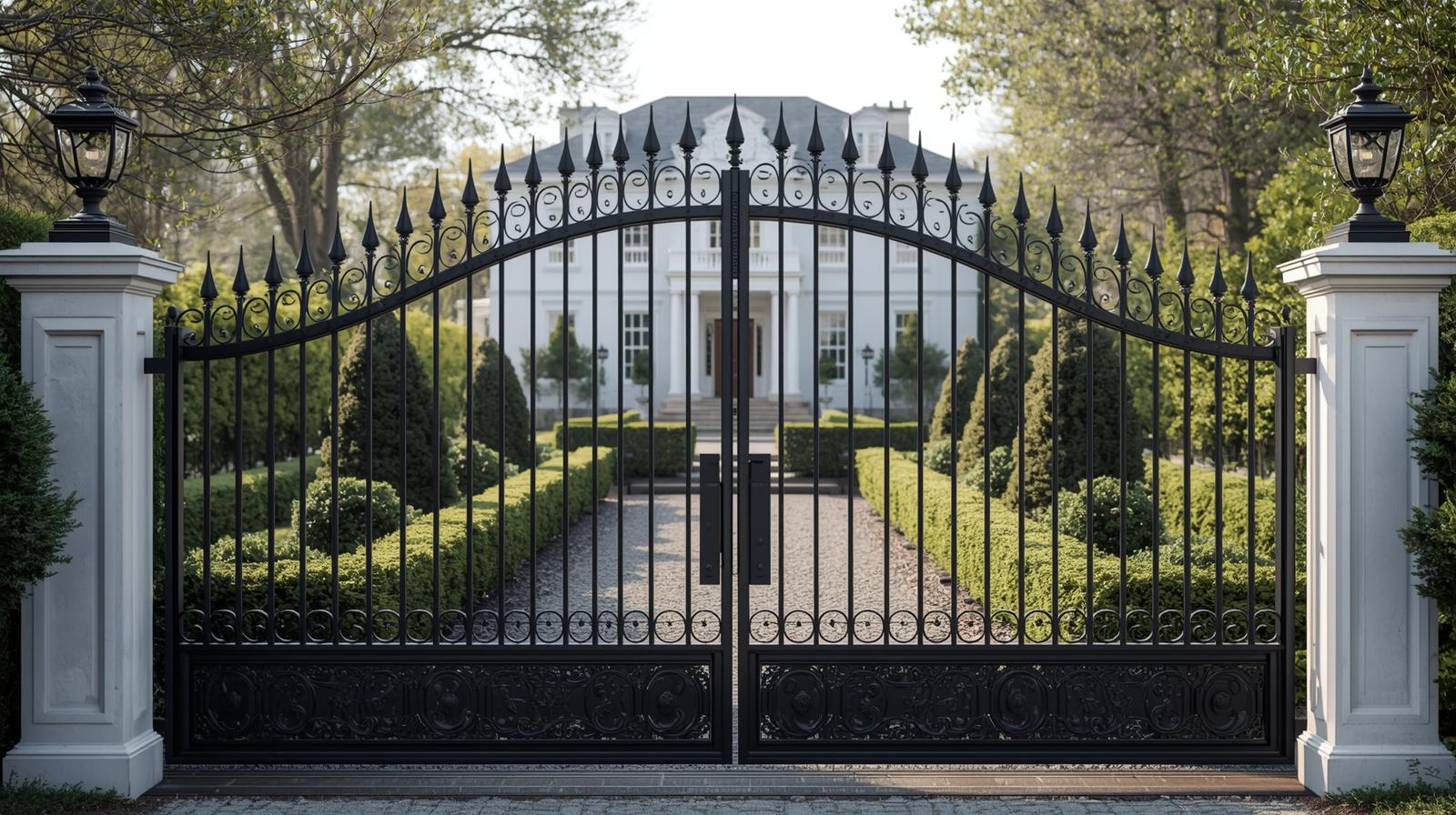
For decades, heavy iron grills, rigid gates, and robust frames dominated the appearance of Brazilian homes. Being synonymous with security, they became an architectural standard, especially in urban areas. But what seemed immutable began to change. In recent years, architects, engineers, and construction companies have identified a clear transition: a new model of residential protection is replacing traditional iron and transforming the aesthetics of facades.
The change is not only visual—it’s functional, technological, and based on technical safety standards. This new approach combines high-performance materials, lightweight structures, integrated elements, and discreet solutions, creating homes that are more modern, well-lit, and visually spacious without losing protection.
The trend has gained strength in high-end projects, gated communities, and urban renovations, and is now reaching conventional residences, driven by the decreasing cost of materials and the growing demand for contemporary aesthetics.
-
While the World Opens New Airports and High-Speed Trains, Brazil Rushes to Complete Projects Stalled for 40 Years

-
Brazil Invests in Massive Waterway to Transport Soybeans by Barge, Reducing Costly Truck Reliance
-
Bridge Rebuilt in Just One Year Reconnects Two Brazilian States
-
Custom Furniture Costs in Brazil Expected to Range from $350 to Over $1,450 per Square Meter by 2026, with Kitchens, Closets, and Laundries Highlighting the Impact of Premium Features


Why Iron Grills Began To Lose Space
The replacement is not a passing trend. It has solid foundations:
Urban Aesthetics Have Changed
Contemporary architecture favors clean lines, minimalist facades, and integration between interior and exterior—something difficult with heavy grills.
Iron Requires Constant Maintenance
Oxidation, repetitive painting, wear, and jamming are recurring problems.
Security Has Stopped Being Just A Physical Barrier
With modern technologies, protection is more linked to access control, strategic visibility, and early detection.

Performance Standards Have Evolved
High-strength materials and intelligent systems have begun to meet and exceed protection requirements.
This convergence has removed iron grills from their position as the “only alternative” and opened the way for something more efficient.
What Is Replacing The Grills—The Change That Redesigns Facades
The new generation of facades uses a combination of modern structural materials and integrated systems that create a barrier as secure as traditional iron—and in many cases, even more efficient. Among the elements that form this new standard are:
- perforated metal panels with anti-climbing technology;
- blind panels with acoustic insulation;
- contemporary hollow elements (reinforced cobogós);
- structural laminated glass with security film;
- high-rigidity aluminum composite panels (ACM);
- corten steel with corrosion protection;
- automatic gates with silent closing;
- biometric access control systems and app.
None of these elements alone explain the change. What defines the new standard is the functional combination, where aesthetics and security are integrated.
How This Solution Guarantees Protection Even With A Light Appearance
The big surprise for those who see these homes is realizing that, even with “clean” facades, security has increased. This happens because:
- the structural laminated glass withstands impacts and remains attached to the film even when broken;
- the corten steel has superior rigidity and high durability;
- the perforated metal panels prevent climbing and obscure the interior;
- automatic gates prevent residents from having to leave their cars;
- electronic systems create invisible “layers of security”;
- cameras, sensors, and digital locks reduce vulnerabilities.
The external sensation is one of lightness. The real performance is high resistance.

Architects Explain Why The Trend Is Becoming Dominant
In recent interviews with specialized architecture magazines, professionals highlight three factors that have driven the change:
- The Integration Between Exterior And Interior Areas: Homes with closed and heavy facades create a visual blockage that no longer matches contemporary aesthetics;
- The Search For Architectural Identity: Standardized iron grills made many facades look alike. The new solution restores personality to properties;
- Real Estate Valuation: Properties that adopt modern protection materials can significantly increase their market value, especially in new or high-end areas.
Recent projects in cities like São Paulo, Campinas, Curitiba, Goiânia, and Porto Alegre already show entire developments gradually replacing traditional iron with modern structural panels.
How This Transformation Reached Common Homes
Five years ago, this type of facade was only seen in luxury condominiums. Today:
- hardware stores are already selling standardized perforated panels;
- metalworking companies have started working with corten steel and aluminum composite;
- kits of laminated glass with security film have become more accessible;
- contemporary gates are now manufactured on a national scale;
- automation systems are becoming cheaper.
What was once exclusive has become an accessible trend.

Invisible Security: The Concept That Replaces The Physical Barrier
The key differential of this change is the transition from a presence security—heavy and visible grills—to a strategy security based on:
- layers;
- sensors;
- control;
- discreet obstacles;
- high resistance;
- technological redundancy.
Instead of impeding through visual force, protection now works through technical performance, not through aggressive appearance.
The Future Of Brazilian Facades Is Being Redesigned
What started with bold architectural projects now redefines the standard of Brazilian residences. The solution that now retires iron grills is not only aesthetic: it is a combination of modern materials, intelligent structures, and technological integration that provides superior security with a light look.
The change is no longer a trend—it is an expanding reality, repositioning residential architecture for a new era, where the facade ceases to be a barrier and becomes a fundamental piece of identity, comfort, and innovation.