Portuguese
  Spanish


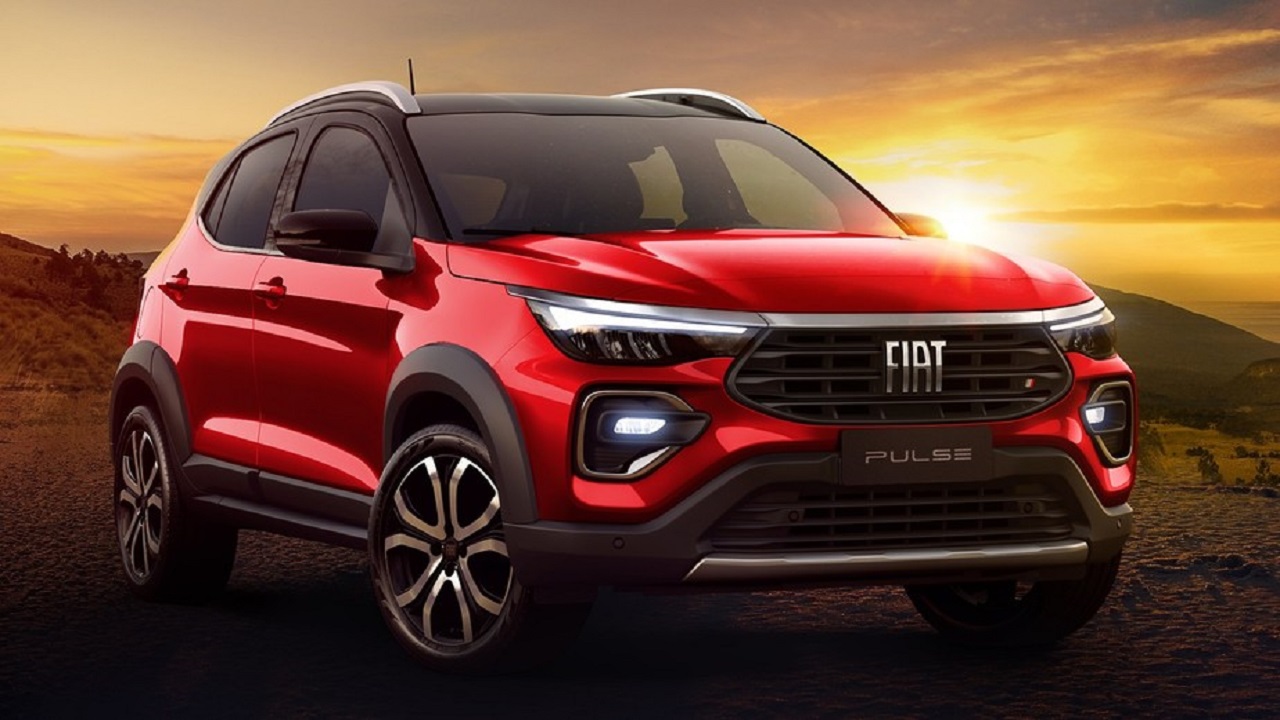

On October 19, the new Fiat SUV will be presented in Brazil, with a new and powerful 1.0 Turbo three-cylinder engine.
Closer to its official debut, the Fiat Pulse has slowly revealed its details for months. Now it’s time to learn about its unprecedented engine capable of running up to 14.6 km per liter of gasoline. Announced the week before by Stellantis, the new Turbo 1.0 three-cylinder engine (GSE T3) that will power this SUV will reach 125hp and 200 Nm of torque, paired with a CVT automatic transmission that simulates seven speeds.
Read Also
Fiat Pulse Turbo SUV: Aisin CVT Transmission and Fuel Economy


On the other hand, it was confirmed that Fiat Pulse units with the Turbo engine will have a CVT automatic transmission, with seven simulated speeds, supplied by Aisin. The same type of gearbox will be available in the entry-level versions with the naturally aspirated Firefly engine, 1.3 liters, 99 hp and 127 Nm.
It will offer three driving modes for fuel economy for drivers. An automatic mode for daily handling; a manual mode for the driver to operate the gears at their discretion; and a Sport mode, which modifies the engine/gearbox response, throttle, steering, and stability control.
-
Rolls-Royce Turns Heads with 30-Inch Floating Wheels, 6.6-Liter V12 Engine, and 563 Horsepower

-
2019 Kia Sportage EX: A Spacious and Cost-Effective SUV with 2.0 Flex Engine and Panoramic Roof
-
Fiat Strada Becomes Top Seller in June, Surpassing Onix, Polo, Hilux, and T-Cross with 107 HP Engine and 732 km Range.

-
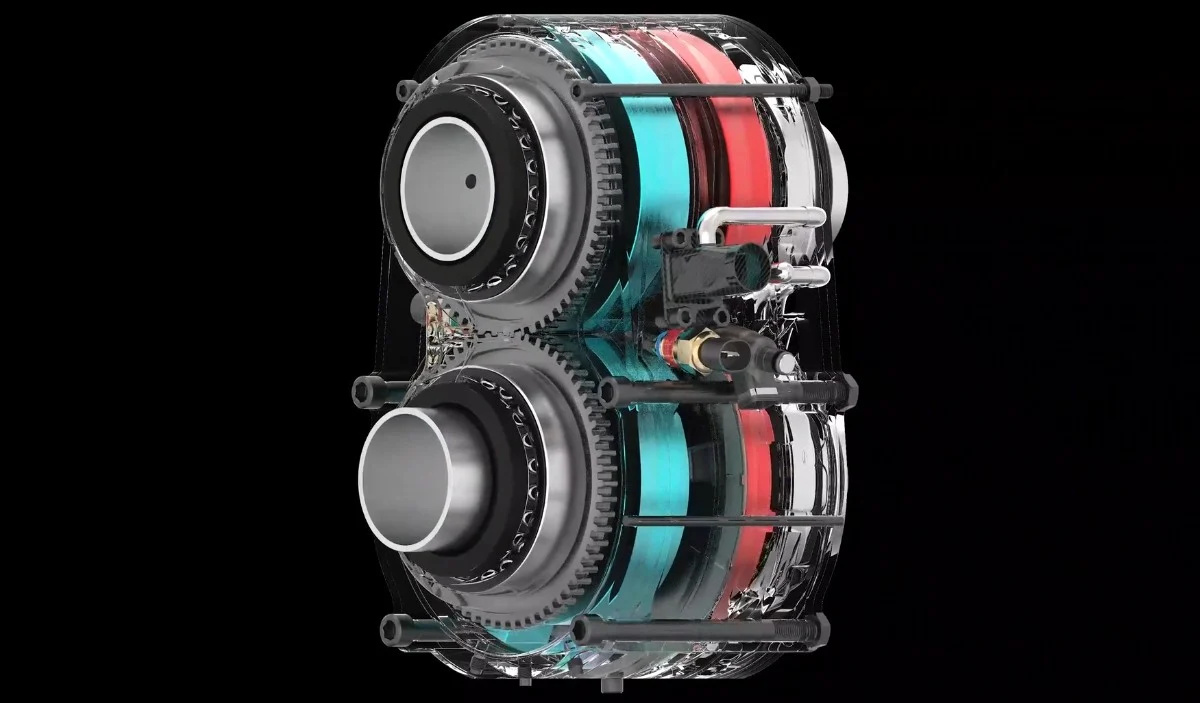
Suitcase-sized hydrogen engine spins at 25,000 rpm, nearly doubling the efficiency of conventional cars and replacing exhaust smoke with water vapor


According to Fiat, the combination of the Turbo engine with this transmission will allow the Fiat Pulse Turbo SUV to accelerate from 0 to 100 km/h in 9.4 seconds, making it the fastest car in its category. Additionally, the fuel consumption averages were confirmed: 45 km/gallon (12km/liter) in the city and 55 km/gallon on the highway (14.6 km/liter).
The Most Powerful Fiat Model in Brazil
The Pulse takes a different approach from the European 500X, incorporating a modern design language similar to the Fiat Strada pickup, although it is more chrome above the headlights and grille. It also features plastic cladding throughout the body and a two-tone exterior. Keep in mind that the model in the highlight photo of this article is likely the top variant with LED lighting and large diameter alloy wheels.
The new Fiat model is based on the new MLA platform, which is different from the MP1, supporting the similarly sized Argo hatchback and Chronos sedan, both available exclusively in South America.
The dashboard appears somewhat basic, but has everything consumers expect from a modern car. A 7-inch digital instrument cluster – already found in the Fiat Toro – is paired with a 10.1-inch touchscreen for infotainment located at the top of the center console. There’s also a leather-wrapped steering wheel with integrated buttons and physical buttons for automatic air conditioning.
The model also excels in torque. While it’s the same 200 Nm that the Volkswagen 1.0 TSI delivers, in the Fiat it is achieved at a lower scale: 1,750 rpm versus 2,000 rpm in the German engine. There, the Chevrolet Ecotec Turbo engine is out of competition as it only delivers 160 Nm.