






 Portuguese
  Spanish
  4 min of reading
  0 comments


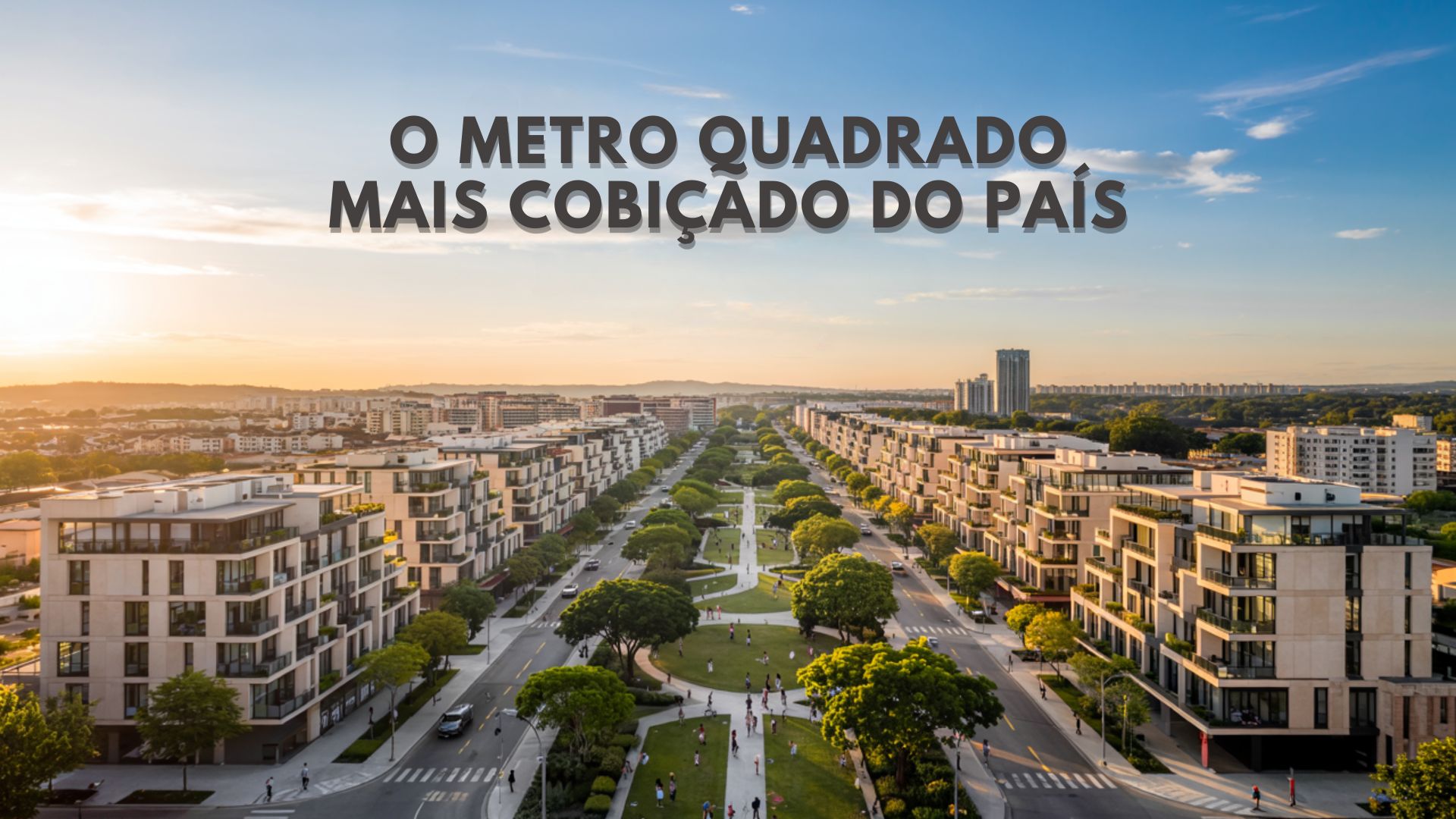
Alphaville Was Born as a Planned Neighborhood Outside São Paulo and, Despite Initial Skepticism, Today Concentrates the Most Coveted Square Meter in the Country.
The planned neighborhood of Alphaville, located in the municipalities of Barueri and Santana de Parnaíba, in Greater São Paulo, was conceived in 1973 as a business and residential alternative outside the capital. The idea of creating a kind of “private city,” with its own security, services, and infrastructure, was initially met with distrust by urban planners and public authorities.
The land, which was part of the old Fazenda Tamboré, was purchased by engineers Renato de Albuquerque and Yojiro Takaoka. At that time, the location was far from downtown São Paulo and considered difficult to access. The proposal to build a corporate hub surrounded by gated, self-sufficient residential areas was uncommon and raised doubts about its feasibility. Urban critics regarded betting on a model outside the established urban fabric as risky.
Business Origins Preceded Residential Expansion
The first phase of the project focused on the corporate sector. Major companies like Hewlett-Packard and DuPont were the first to occupy the lots offered in the new region. The presence of these corporations served as a boost for the area’s development and justified the creation of a residential nucleus aimed at executives and employees.
-
Tired of seeing families sleeping on the street, São Paulo delivered 18 m² furnished microhouses and took 888 people off the streets: Vila Reencontro became the model social housing for the homeless population.

-
The hydroelectric plants on the Madeira River, like Jirau, came for the energy, but now the drought wave has reduced artisanal fishing by 39% and emptied the tables of the riverside communities in the Amazon.
-
The Zuluk road has 32 zigzag curves at 3,400 meters in the Himalayas, originated as the Silk Route in Sikkim and became a military border where foreigners cannot pass.
-
Rio de Janeiro receives more than R$ 5.5 billion in sanitation, includes almost 1 million residents from communities in the formal customer base, and brings water, sewage, and proof of residence to regions historically neglected by urban infrastructure.


With the consolidation of the commercial hub, numbered gated communities emerged, such as Alphaville Residential 1, 2, and 3, marking the beginning of the planned residential urbanization of the region. The model attracted families seeking security, privacy, and quality of life, with easy access to work and leisure without leaving their neighborhood.
Private Structure Boosted the Valuation of the Planned Neighborhood
From the outset, Alphaville operated based on a private infrastructure system. The maintenance of the roads, security system, garbage collection services, and access control to the communities were always managed by independent associations formed by residents and local entrepreneurs.
This differentiated management created a standard of urban maintenance and security that began to attract high-income residents. Gradually, the area began to be seen as a model of organization and planning, contrasting with the lack of infrastructure and security in other regions of Greater São Paulo.


Criticism of the Closed and Segregated Model
Despite its growth and valuation, Alphaville did not escape criticism. Urbanism experts pointed out that the neighborhood reinforces the logic of socio-spatial segregation by creating high-end bubbles disconnected from the surrounding city. Limited access and the absence of efficient public transportation were also recurring themes in discussions about the model.
Furthermore, in the early years, there were conflicts with local communities and squatters inhabiting areas near the original farm. Land and environmental issues were also raised over the decades of urban expansion.
Still, the Alphaville model served as a reference for other similar ventures in Brazil, with versions implemented in various cities by Alphaville Urbanismo.
The Most Coveted Square Meter in the Country
Over time, the neighborhood has transformed into one of the most valued addresses in the São Paulo Metropolitan Area. According to real estate sector data, the average price per square meter in Alphaville is among the highest in the country, surpassing traditional neighborhoods in the city.
The high demand for land and properties in gated communities with complete infrastructure, combined with the presence of corporate centers, shopping malls, private schools, and hospitals, contributed to this constant appreciation. The neighborhood receives about 200,000 people daily, including residents, workers, and visitors.
In addition to residences, Alphaville also houses headquarters of national and multinational companies, which keeps the local corporate market thriving. The synergy between the residential space and the commercial hub has made the neighborhood even more attractive for those looking to live and work in the same urban environment.
Expansion and National Influence
The success of the original planned neighborhood gave rise to a model replicated in other regions of the country. The Alphaville brand has become synonymous with high-end gated communities, present in cities like Salvador, Brasília, Goiânia, Fortaleza, Curitiba, and Porto Alegre.
These new developments follow the same logic: horizontal condominiums, access control, private infrastructure, green areas, and exclusive urban facilities. The proposal to combine security and quality of life in areas away from urban centers continues to be the main attraction of the concept.
Even with decentralization, Alphaville in Barueri and Santana de Parnaíba remains a national reference and a landmark of the private neighborhood model in Brazil.
What initially seemed like a proposal distant from the traditional urban reality has established itself as the most coveted square meter in the country. Alphaville has transformed into a successful example of a planned neighborhood, combining private infrastructure, real estate appreciation, and an independent management model.







Be the first to react!