Portuguese
  Spanish


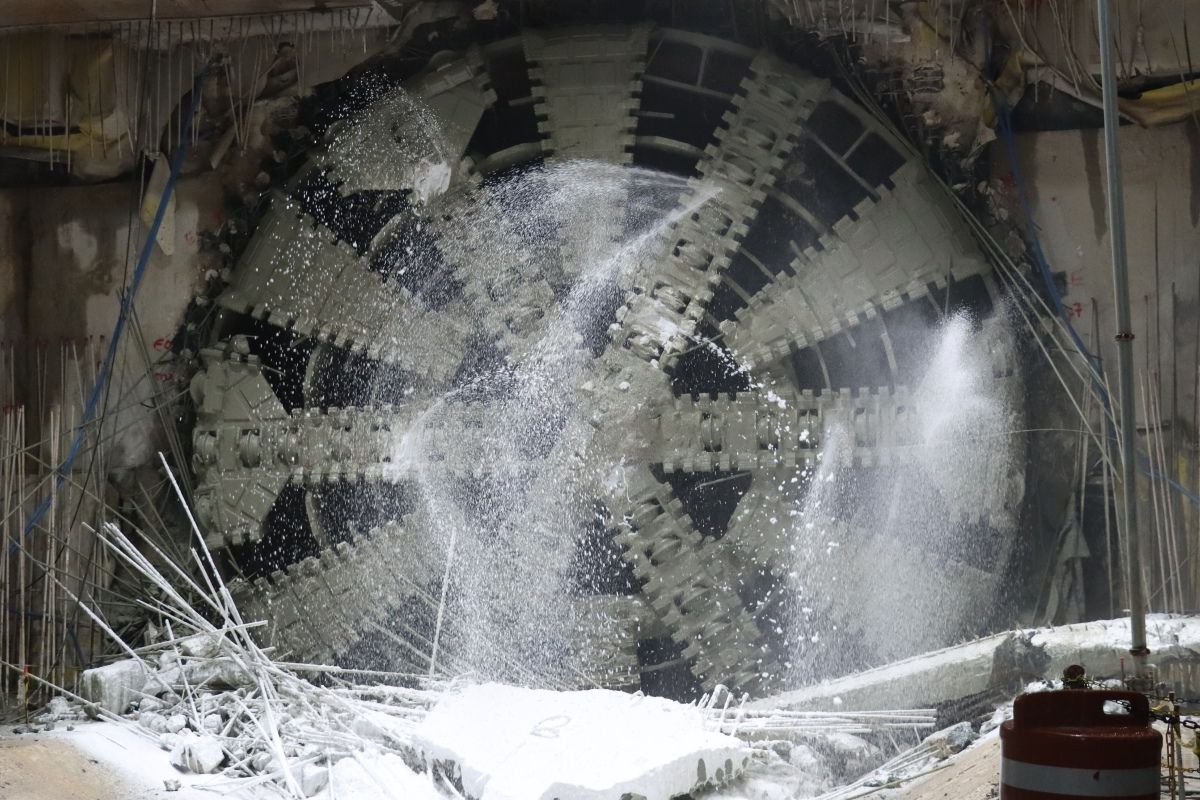


With 10.61 Meters in Diameter, the Tunnel Boring Machine of the Line 6-Orange of the São Paulo Metro Redefined Tunnel Engineering in the Country by Setting a New Size Record.
According to news published by outlets such as G1, the title of largest tunnel boring machine (TBM) to have ever operated in Brazil belongs to the equipment used in the construction of the Line 6-Orange of the São Paulo Metro. The machine, named “Tatuzão Norte,” has an impressive excavation diameter of 10.61 meters, which is equivalent to the height of a three-story building.
This engineering giant began its operations in December 2023, marking a new chapter for infrastructure projects in Brazil. The project, led by the concessionaire Linha Uni and constructed by the Spanish company Acciona, surpassed the previous record held by the tunnel boring machine used in the construction of Line 4-Yellow, also in São Paulo.
Meet the “Tatuzão Norte,” the Record-Breaking Machine of Line 6-Orange
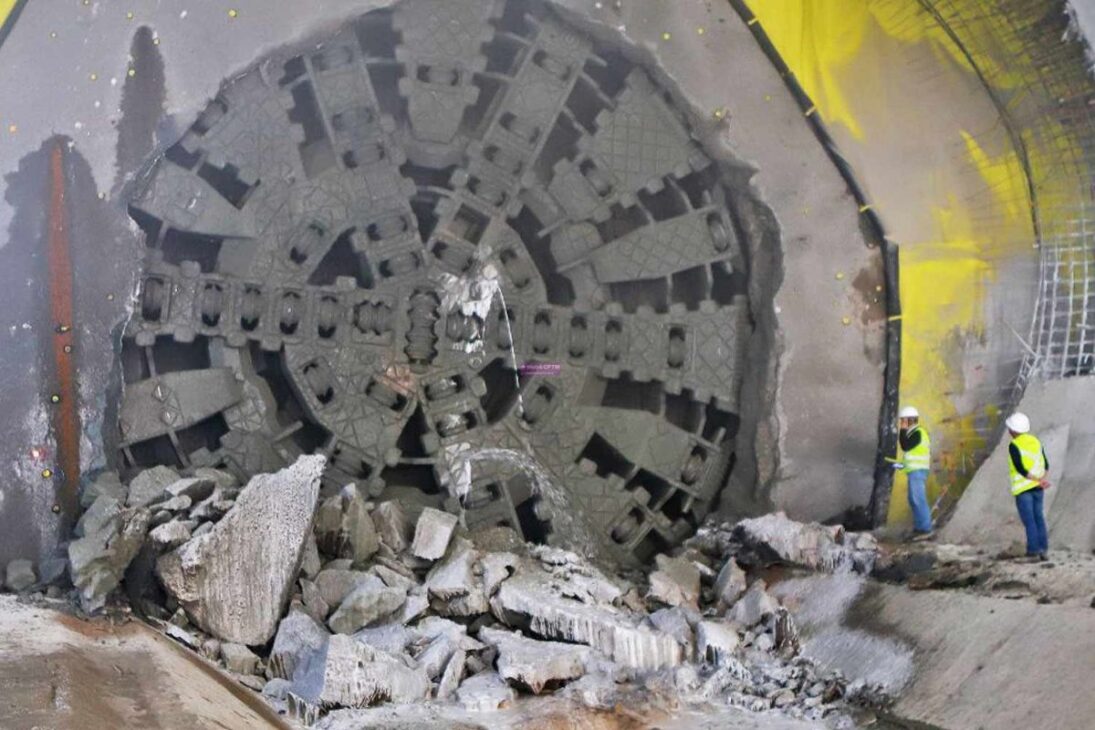
The record holder is one of two machines manufactured by the German company Herrenknecht for the works on Line 6-Orange. While its “twin brother,” the Tatuzão Sul, has the same specifications, the Tatuzão Norte was the first of its kind to be fully operational in the country.
-
Couple Sold Their Home to Live in a Trailer While Converting a Granite Tower into an Award-Winning 11-Meter Residence in Cornwall

-
Sustainable Building Solutions Enhance Durability, Long-Term Savings, and Comfort in Home Construction and Renovation

-
Brazilian Fishing Couple Spends 4 Years Building Solar-Powered Floating Home on the Paraguay River, Now a Navy-Approved Vessel with Leisure Area and Tour Demand

-
While the World Opens New Airports and High-Speed Trains, Brazil Rushes to Complete Projects Stalled for 40 Years




Its job is to excavate the soil and simultaneously install the concrete rings that form the final wall of the tunnel, advancing continuously and safely through the subsoil of the metropolis. The operation of this machine is a milestone for national engineering, demonstrating the capacity to execute projects of extremely high complexity.
The Numbers That Redefined National Engineering
The figures for the Line 6-Orange tunnel boring machine are superlative and help to understand the grandeur of the largest tunnel boring machine (TBM) to have ever operated in Brazil. In addition to its record diameter, the machine has other notable characteristics:
Excavation Diameter: 10.61 meters.
Total Length: Approximately 109 meters.
Total Weight: About 2,000 tons.
Type: EPB Shield (Earth Pressure Balance), a model designed to operate in soft and clayey soils like those of the city of São Paulo.
Manufactured in Germany and transported in parts to Brazil, the equipment is a true underground factory, housing a command post, cafeteria, conveyors for material removal, and ventilation systems.
The Mega Project of Line 6-Orange of the São Paulo Metro
The Line 6-Orange is one of the most important urban infrastructure projects underway in Brazil. With 15.3 kilometers in length, it will connect Brasilândia, in the North Zone, to the São Joaquim station in downtown São Paulo, passing through important university hubs and health centers.
The use of a tunnel boring machine of this size was essential to facilitate construction in a densely urbanized area, minimizing surface impact. The Tatuzão Norte began its journey in December 2023, departing from the VSE (ventilation and emergency exit shaft) Felício Tretel, in Freguesia do Ó.
The Previous Record of Line 4-Yellow
Before the giant of Line 6-Orange, the title of largest tunnel boring machine (TBM) to have ever operated in Brazil belonged to the machine that worked on the construction of the first phase of Line 4-Yellow of the São Paulo Metro, between 2007 and 2010. That equipment had 9.5 meters in diameter, a number that was already considered a milestone for Brazilian engineering at the time. The arrival of the 10.61 meter machine represents a significant leap in scale and technological capacity.
The End of the Journey: What Happens to a TBM After the Work?
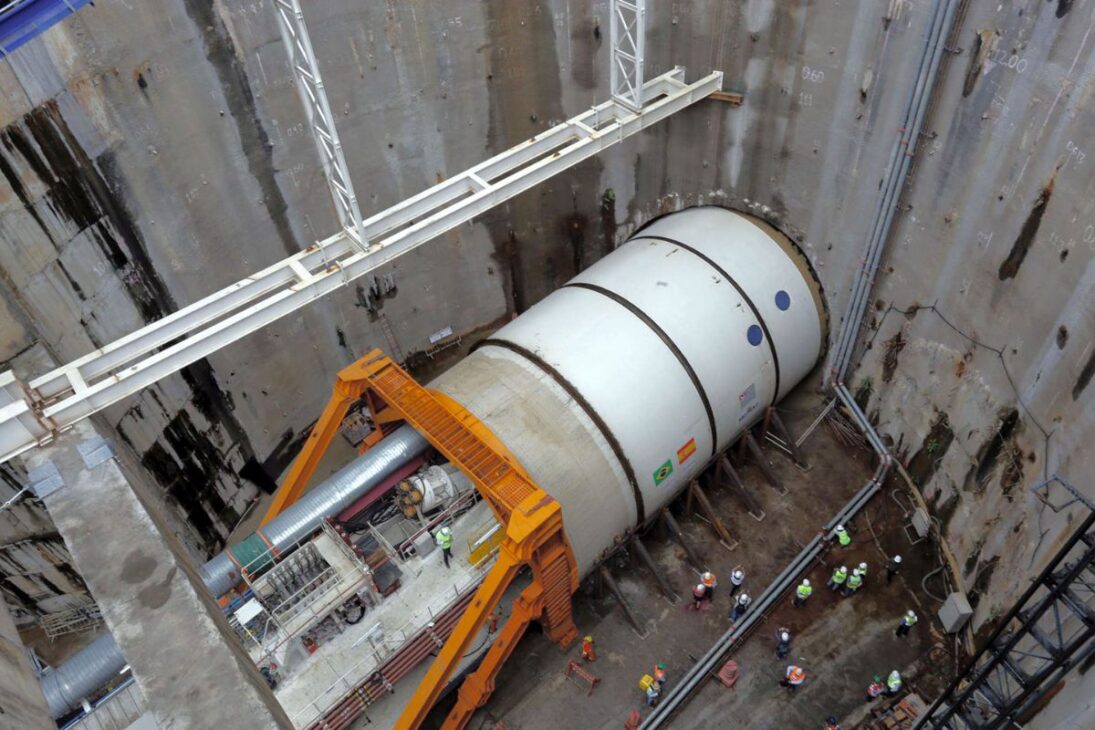
At the end of its excavation journey, a TBM cannot simply be removed whole from the subsoil. The machine is carefully disassembled within the tunnel it helped to build. Valuable parts, such as electronic systems and motors, can be recovered and reused by the manufacturer in other projects around the world. The main metal shell, known as “shield,” is usually cut and sold as scrap since its transport and complete reuse are logistically unfeasible.