Portuguese
  Spanish




New Technologies Like Submarine Drones, Nuclear-Capable Missiles, and Laser Weapons Caught the Attention of Brazilian Military Personnel, Who Still See China One Step Behind the Main Global Power.
Members of the Brazilian Armed Forces classified China’s military capability, showcased in a recent parade, with one word: “impressive”. The event confirmed what Brazilian military personnel already knew: the advanced and rapid development of the Chinese arms industry.
Nuclear-Capable Missiles With a Range That Reaches the Entire World
The capability of Chinese missiles was one of the main points of focus. The highlight was the DF-5C, an intercontinental missile with a range exceeding 13,000 kilometers, making it capable of reaching any country on the globe. Furthermore, the armament can carry up to 10 independent nuclear warheads.
Other noteworthy weapons included the JL-3, a submarine-launched ballistic missile with nuclear capability, and anti-ship hypersonic missiles like the YJ-21, designed with the capability to destroy aircraft carriers.
-
U.S. Navy’s Ticonderoga-class Cruiser Becomes a 9,800-Ton Missile Fortress with Advanced Aegis System Capable of Tracking Hundreds of Targets

-
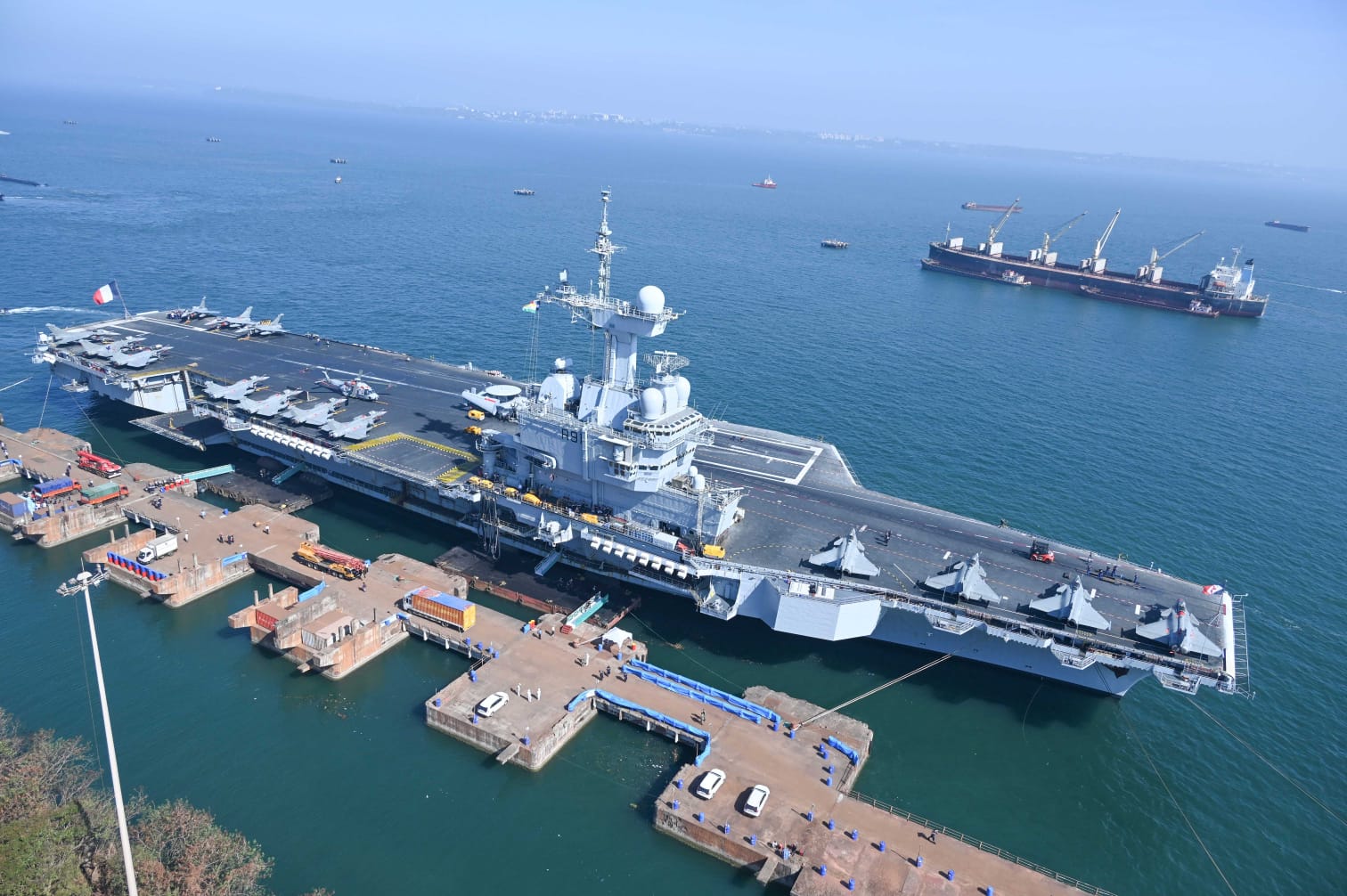
France’s Charles de Gaulle: The Sole Nuclear-Powered Aircraft Carrier Outside the US, Weighing 42,500 Tons and Equipped with Two Atomic Reactors

-
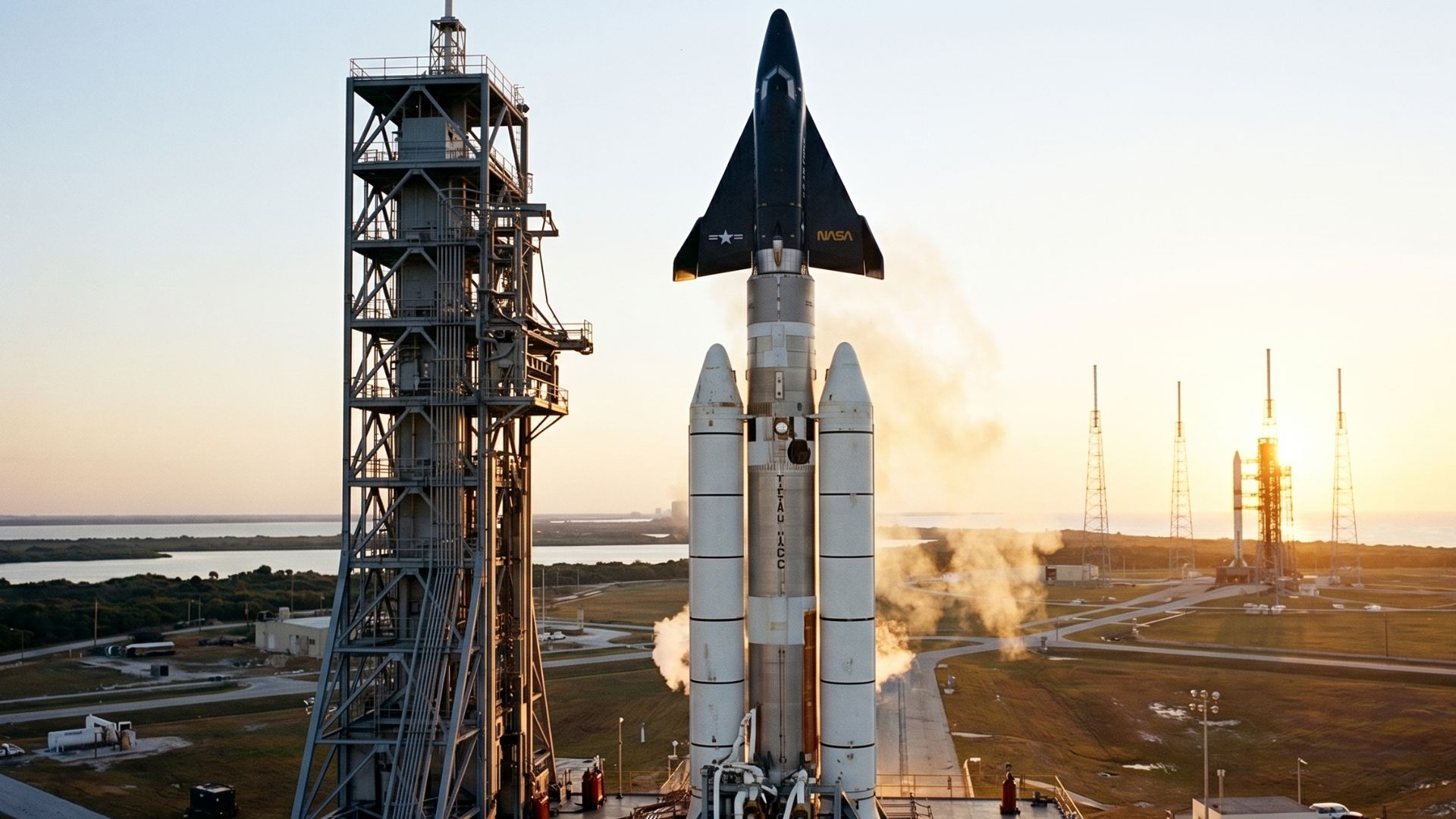
The military spaceplane that almost took the Cold War into orbit: Boeing X-20 Dyna-Soar was designed to re-enter above Mach 20, fly for up to 40 hours, land like a plane, and transform Titan rockets into a gateway to a new era of orbital warfare.
-
FAB bets on national drones and increases investments to strengthen the Brazilian aerospace industry



Drones and Tanks: China’s Investment in Unmanned Technologies
The drone front, increasingly decisive in modern warfare, also impressed. China showcased a “submarine drone” measuring 20 meters in length, equipped for attack and reconnaissance.
Together with the drones, a new tank model, the T-100, caught attention. Its main feature is an unmanned turret, which operates automatically and has sensors for performing active defense against drone attacks, a significant innovation in modern armored vehicles.
Laser Weapons and the Future of Defense Technology
Demonstrating a focus on innovation, China exhibited directed energy weapons, such as laser systems for air defense. Although this technology is still in the early stages of development globally, its presentation at a military parade reinforced perceptions of Beijing’s rapid pace in the defense sector.
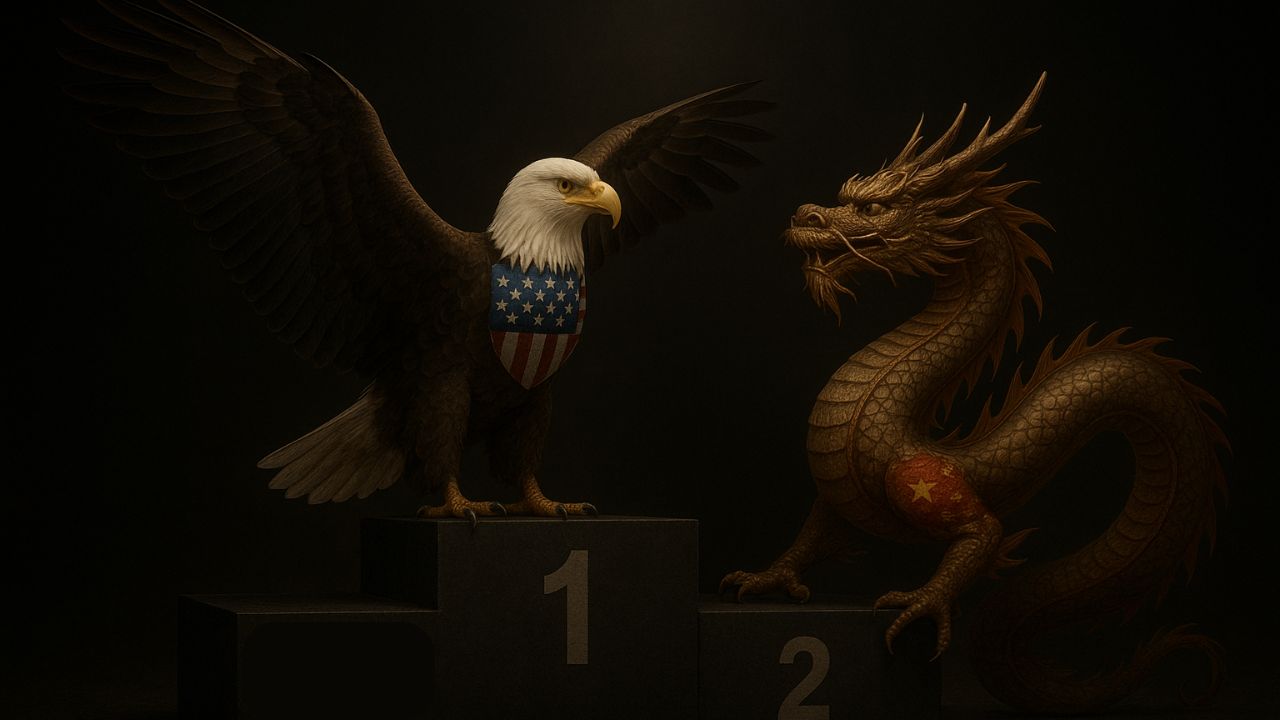
Military Analysis: China Advances, but Who Still Leads the Podium?
Despite the clear demonstration of strength and technological advancements, Brazilian military personnel believe that China is still one step behind the United States. The strategic analysis concludes that the U.S. remains the world’s leading military power, and the parade, though impressive, did not alter this perception.