






 Portuguese
  Spanish
  3 min of reading
  0 comments


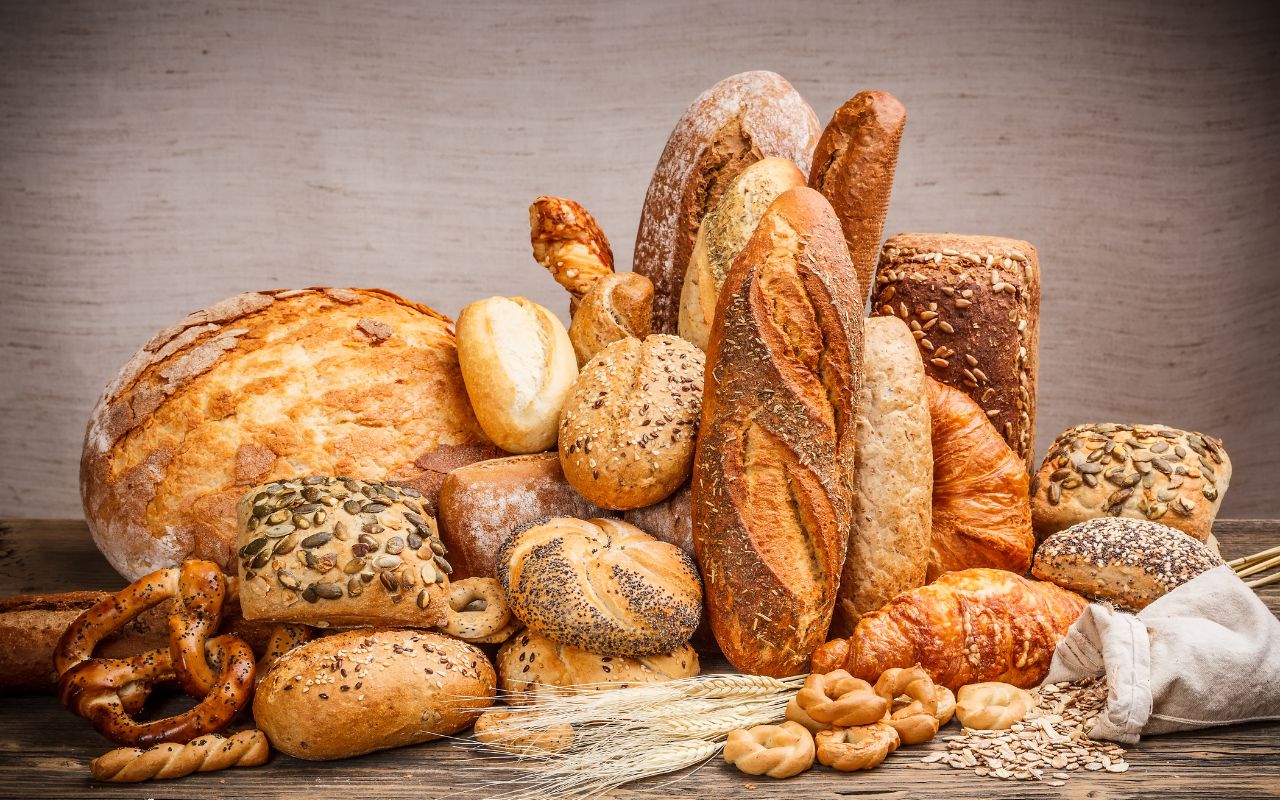
Discover How Bread Played a Part in Human History and Helped Build Civilizations from Agriculture to Modern Times.
Bread traversed time even before humanity learned to tell its own history. It was born the moment humankind moved from mere survival to planning for tomorrow.
It was when man, realizing he could cultivate what he ate, stopped wandering aimlessly and took root in the land.
At that moment, about 10,000 years ago, not only bread emerged, but also the idea of community, construction, and future.
-
Mother of 7 children leaves night job in São Paulo, invests only R$ 86 in artisanal ice creams and sees income become household support: business created at the gate reaches R$ 6,000 per month and aims for a physical store.

-
An empty spacesuit was launched from the ISS and became a “ghost astronaut” in orbit: the SuitSat floated alone around the Earth transmitting radio signals before burning up in the atmosphere.

-
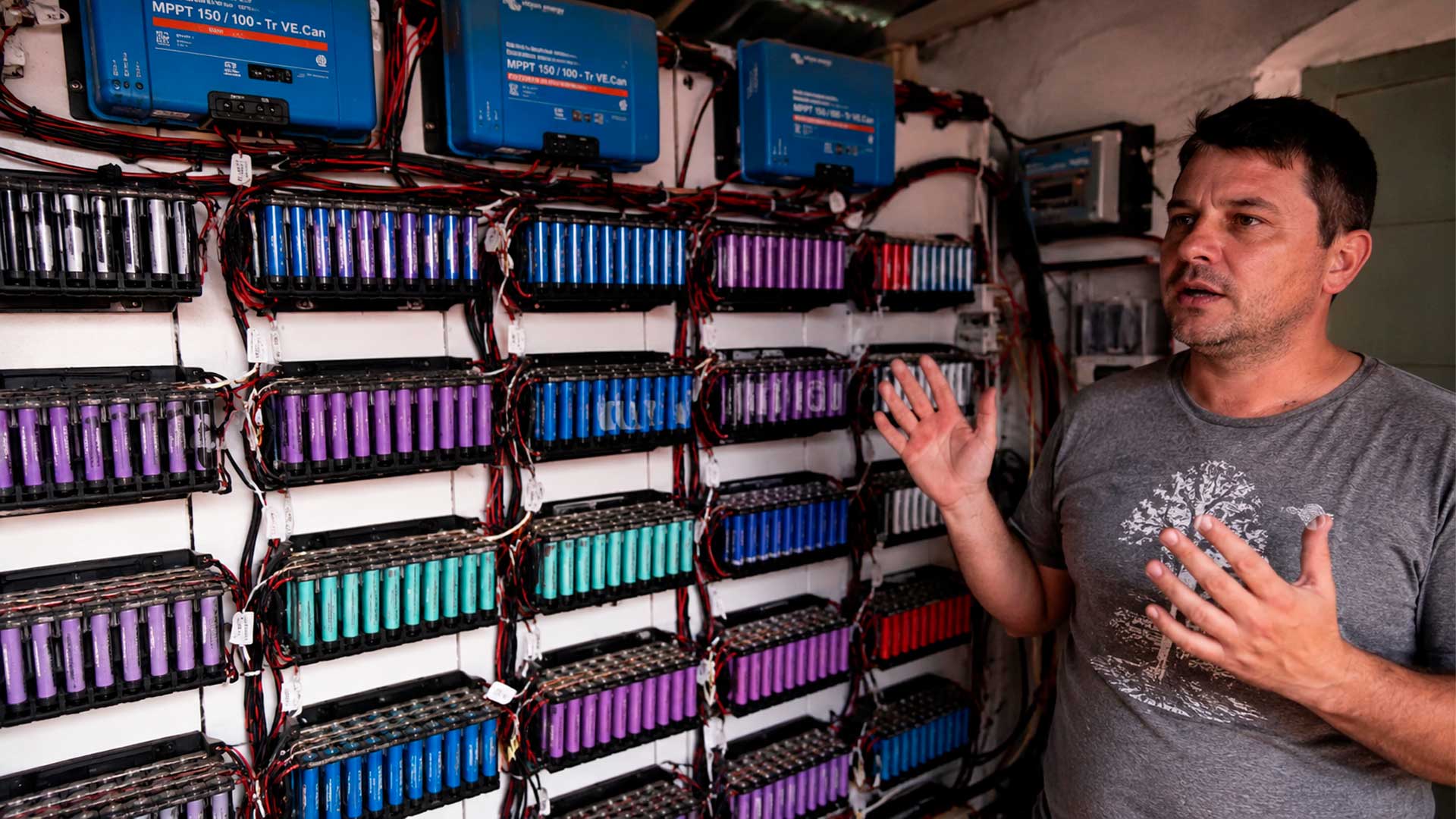
Dissatisfied with seeing laptop batteries go to waste, a man collects more than 650 units and transforms the electronic waste into a solar energy storage bank to power his house.
-
Accessible only by boat, an old house from 1862 is up for sale for R$ 19.4 million in the USA with a famous artist’s studio, pier, and over 10 preserved hectares.



Long before ovens and bakeries, it was stones and fire that served this purpose. The harvested grains were crushed, mixed with water, and placed on hot surfaces.
Thus, the first known bread was born: simple, hard, and unleavened. Still, it was energizing and lifesaving. More than food, it became the first symbol of human stability.
Bread: The Food That Taught Humanity to Settle Down
With bread came villages. With villages came societies. The ability to store grains completely changed the logic of survival.
Man no longer depended on daily hunting and could dedicate himself to new roles. Artisans, farmers, leaders, and wise men emerged. Bread, though silent, was at the center of it all.
Bread and History: The Accident That Gave Dough Life
For centuries, bread was flat and dry. Until something unusual happened.
An unattended dough reacted unexpectedly. Instead of hardening, it grew. The flavor became more pleasant.
Bread gained lightness, and the human palate found a new passion. No one could explain the phenomenon, but it worked. Later, it would be called fermentation and yeast.
The Egyptians were the first to master this mysterious art.
After them, Greeks and Romans perfected methods. Thus, bread became not only food but tradition. Throughout history, those who controlled bread controlled people.

Governments ensured cheap bread to maintain peace. Armies marched with reserves of flour. Revolts broke out when it was lacking. Bread ceased to be just food and became a symbol of dignity and social justice.
From Human Hand to Machine
With the Industrial Revolution, bread entered another era.
Steam-powered mills, giant ovens, and production lines were created. Baking shifted from artisanal to serve the masses.
Bread began to arrive packaged, standardized, and quickly. On the other hand, it lost part of its identity. The flavor became uniform. The tradition became distant.
In recent decades, the movement has reversed. Artisanal bread has regained value. Long fermentations, simple ingredients, and the absence of preservatives have become trends.
The public began to seek identity and health. Whole grain, gluten-free, functional breads, and the famous sourdough, naturally fermented, emerged.
In every corner of the world, bread took shape and name. Baguettes, naan, ciabattas, cornbreads, and focaccias tell stories of their peoples. What changes is the shape. The meaning remains.
The history of bread is, in fact, the history of humanity in the form of food. It has survived empires, epidemics, and revolutions.










Be the first to react!