Portuguese
  Spanish


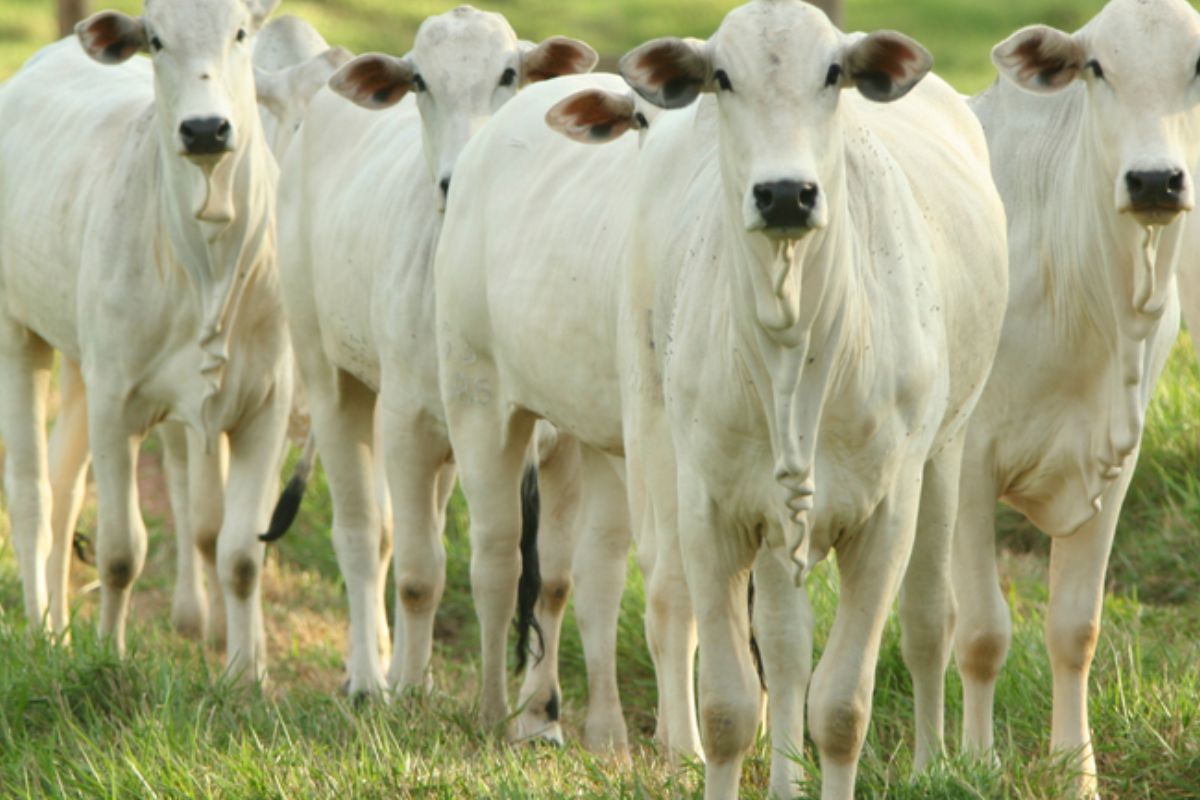

With A Focus On Sustainability, Brazilian Livestock Strengthens Exports, Adopts Low-Carbon Technologies, And Consolidates The Country As A Global Leader In High-Quality Meat Production
The Brazilian livestock industry is experiencing a moment of sustainable expansion, balancing productivity, innovation, and environmental responsibility, according to an article published.
On the last October 14, National Livestock Day, the sector celebrates achievements that consolidate Brazil as the largest meat exporter in the world.
According to the Ministry of Agriculture and Livestock (Mapa), this evolution is directly linked to productive efficiency and policies that encourage low environmental impact practices.
-
Flower strips in Brazilian farms become pest control strategy, attracting predator insects and reducing the need for chemical pesticides.

-
Brazilian Startup Turns Coffee Grounds into Plant-Based Leather, Cutting Water Use by Over 50 Times for High-Impact Sustainable Fashion
-
Yara acquires Texas ammonia plant for $1.3 billion, boosting global fertilizer competition with 1.3 million tons annual capacity

-
Eco Invest Auction Aims to Unlock $10 Billion in Investments, Focusing on Green Fertilizers, Critical Minerals, Batteries, and AI for Clean Industry in Brazil


The country has united economic growth, environmental preservation, and animal welfare, achieving significant results in productivity and exports.
According to the National Supply Company (Conab), 2024 recorded a historic high of over 11 million tons of beef equivalent carcass, confirming national prominence in agribusiness.
Sustainability And Animal Welfare Drive Exports
The strengthening of Brazilian livestock is linked to sustainability and animal welfare programs promoted by Mapa, recognized by the World Organisation for Animal Health (OIE).
These programs integrate production systems with a high capacity for carbon sequestration, pasture recovery, and soil health promotion.
In 2025, data from the Brazilian Institute of Geography and Statistics (IBGE) indicates a 3.9% growth in cattle slaughter, totaling 10.46 million heads.
This advancement is accompanied by an increase in exports: in 2024, Brazil sold over US$ 26.1 billion in meats, and by September 2025, it had already reached US$ 22.5 billion.
The highlight is on fresh beef, which grew 55% in exported volume, reaching US$ 1.77 billion.
ABC+ Plan And Integrated Systems Transform Brazilian Livestock
Among the most relevant initiatives is the Low Carbon Agriculture Adaptation Plan (ABC+ Plan), created by Mapa to unite productivity and sustainability.
The program encourages the use of biodigesters, intensive finishing, and rational pasture management. The goal is to slaughter 5 million animals under 24 months, reducing the sector’s carbon footprint.
Moreover, the integrated crop-livestock-forestry system has increased the efficiency of production systems, optimizing land use and preserving natural resources.
Such practices consolidate Brazilian livestock as a global reference in balancing production and the environment.
Green Economic Growth And Global Leadership
The sustainable advancement reflects in all production chains. Chicken meat surpassed projections, growing 1.1% in the second quarter of 2025, even after the challenge of avian influenza in May 2024.
Meanwhile, pork production, according to Conab, is expected to grow 3.6% by 2026, driven by rising domestic demand and exports.
These results demonstrate the strength of a green economic model that combines innovation, profitability, and environmental responsibility.
The Brazilian livestock industry shows that it is possible to grow while preserving, ensuring the sustainable future of the national agribusiness and keeping the country at the global forefront of the sector.