






 Portuguese
  Spanish


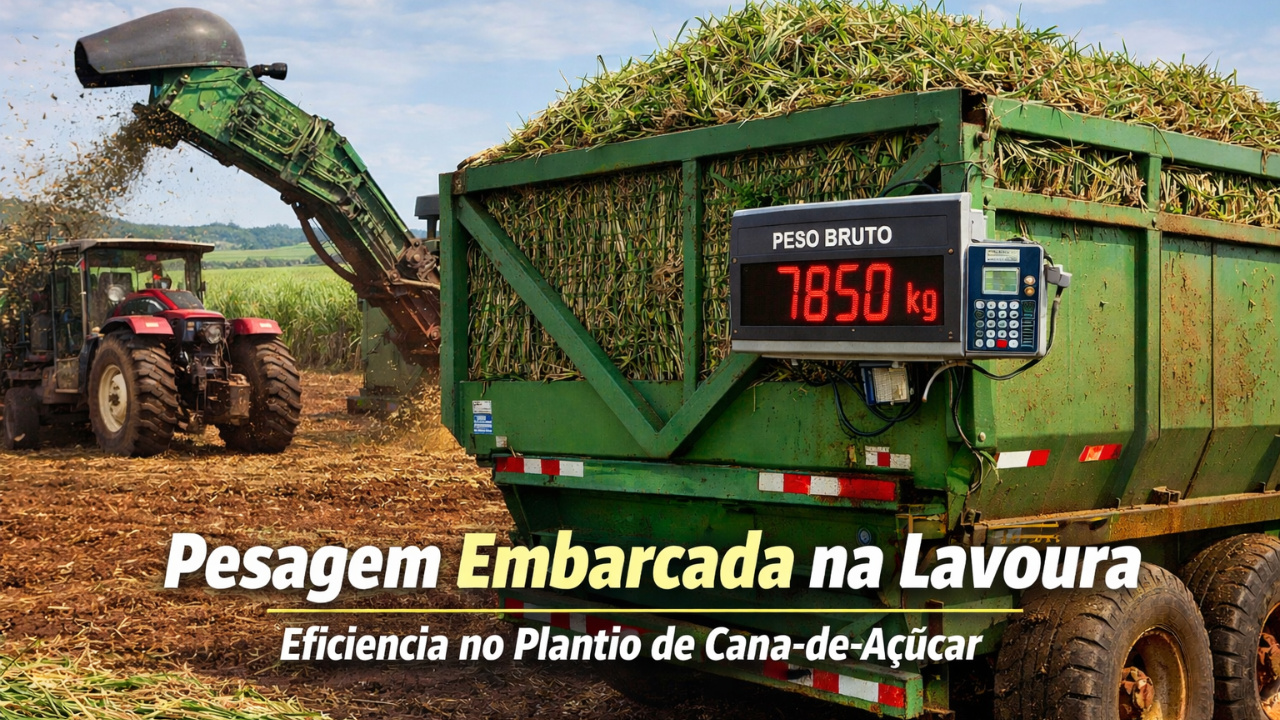
New Onboard Weighing Technology Improves Agricultural Logistics and Reduces Movements in Sugarcane Planting.
An operational change at Usina Santa Isabel is transforming the way the unit conducts sugarcane planting.
The company has started to carry out onboard weighing of seedlings directly in the field, even during harvesting.
This eliminates movements to the industrial scale and increases the efficiency of the planting front.
-
Low-Demand Brazilian Beef Offal Gains Popularity Abroad: Indonesia Purchases $19.5 Million, Boosting Revenue and Reducing Waste

-
Soy Expansion in Former Brazilian Savanna Sparks Water and Land Conflicts in Major Agricultural Frontier
-
Mexican Pest Threatens U.S. Cattle Herds at Historic Lows, Potentially Boosting Brazilian Beef Exports as Burger Prices Soar

-
Avocado Boom for European and U.S. Markets Fuels Water Crisis in Drought-Stricken Chilean Region




The plant recently adopted this measure as part of an adjustment in agricultural logistics, an area that requires strict control of time, transport, and productivity in the field.
With the new system, teams measure the weight of the load on the very transfer equipment right after the harvest.
In this way, the road trains leave directly from the cutting area and head to the final planting destination.
The process reduces fuel consumption and increases equipment availability in the field.
Old System Required Movements to the Plant
Before the change, the weight control of seedlings depended exclusively on the industrial scale of the unit, known in the sector as “champion”.
In this traditional model, loaded trucks needed to go to the plant to carry out official weighing.
This occurred even when the seedling nursery was close to the designated planting area.
According to the agricultural manager of Usina Santa Isabel, Wilson Agapito, this format fulfilled the role of control but created logistical bottlenecks.
“The difficulty was moving to the industrial unit for weighing because when it comes to seedlings for planting, the nursery is usually located as close as possible to the area that will be planted.”
In practice, this process consumed time from the planting front and increased costs with fuel and machine operation.
Onboard Weighing Provides Real Weight During Harvesting
Onboard weighing changed this scenario by taking the weight measurement directly to the field.
The system measures the load on the very transfer equipment right after the sugarcane is harvested.
This way, agricultural logistics starts to work with immediate data, without relying on subsequent validation on the industrial scale.
“The goal was to have the real weight of the seedling right at harvest and go directly from this front to the planting destination,” explains Wilson.
The technology also improves control over the volume of seedlings distributed in the planted area.
Managers can calculate more accurately the consumption per hectare and reduce distortions that previously arose when the weight was estimated by averages or samplings.
Quick Implementation Accelerated Efficiency Gains
The agricultural team quickly adapted to the new technology.
According to Wilson Agapito, the implementation occurred swiftly and did not bring negative impacts to the harvest routine.
“The implementation was very fast and the learning curve of the team was also.
After the implementation by Multittech and with their training, this curve does not take more than a week.”
This speed allowed incorporating the system into the routine without compromising the sugarcane planting schedule, a strategic stage in the agricultural production of the plant.
Technology Also Assists in Monitoring the Weighing Law
Although Usina Santa Isabel primarily uses the system for weighing seedlings, the technology can also cater to transportation operations of cane intended for industrial milling.
This use becomes important for companies that need to meet requirements related to the so-called Weighing Law, legislation that establishes weight limits for cargo transport vehicles.
“We do not use the system for weighing cane cargo for milling, but it is an option for those who want to control the weight of truckloads, especially companies that have TAC or Civil Action with the MPT regarding the Weighing Law,” says Wilson.
He also points out another operational benefit.
“If the system is used in the transport of cane from the harvest, the real-time weight will be measured at the exit of the field. This reduces the risk of overweight and lowers the chance of sanctions and fines.”
Real-Time Management Strengthens Agricultural Logistics
With weighing conducted directly in the field, the management of agricultural operations gains more agility.
This way, teams begin to access data at the moment of operation, allowing immediate adjustments in logistics.
Thus, this model improves the use of equipment, increases control over the consumption of seedlings per hectare, and enhances the efficiency of planting fronts.
At Usina Santa Isabel, the main gain occurred in the simplification of agricultural logistics.
Thus, the new strategy eliminated unnecessary movements and made the sugarcane planting operation more productive and efficient in the field.
Learn more at: Usina Santa Isabel Weighs Seedlings Even During Harvest and Optimizes Agricultural Logistics







-

2 people reacted to this.