Portuguese
  Spanish


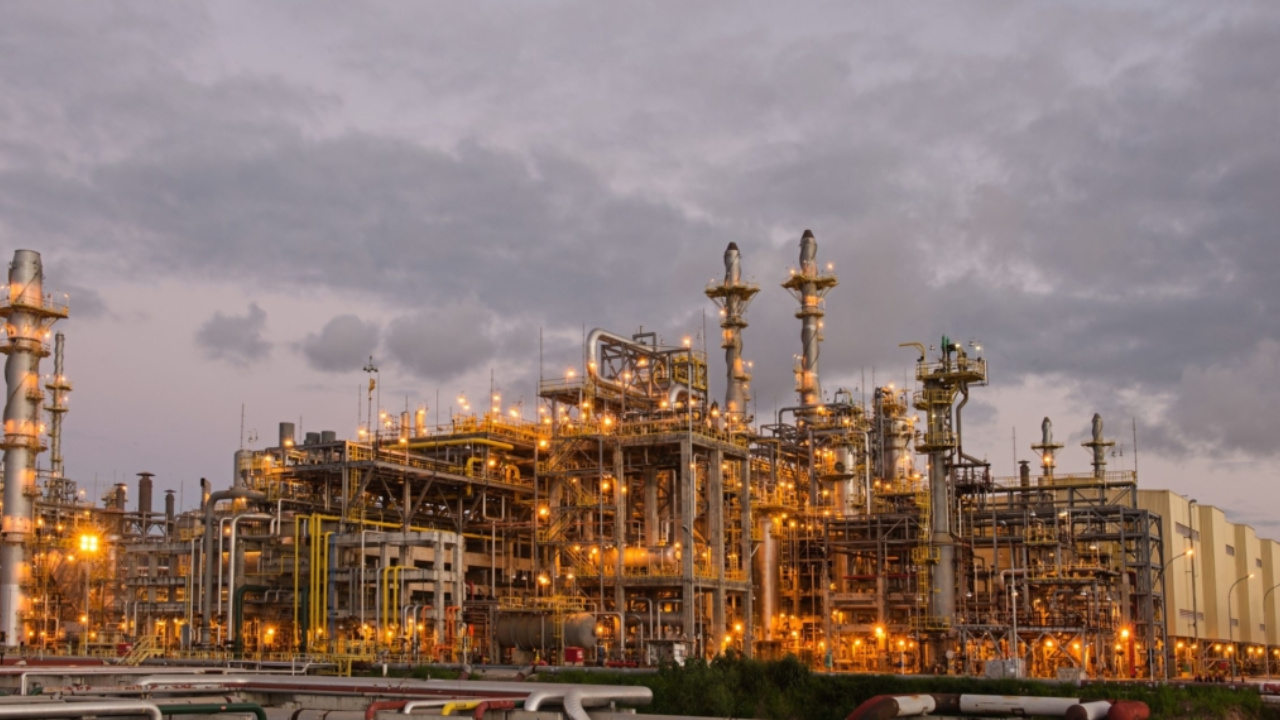

Petrobras Signs Contract to Deploy Solar Power Plant at Rnest in Pernambuco. Project Will Have 12 MW and Integrates Expansion and Modernization Plan of the Refinery.
Solar energy will take a new step within the largest expanding refinery of Petrobras. The state-owned company confirmed that it will sign, today (2), the contract for the construction of a photovoltaic plant in the interior of the Abreu e Lima Refinery (Rnest), located in the Industrial Complex of Ipojuca, Pernambuco.
The announcement was made by Petrobras president, Magda Chambriard, who detailed that the project will be implemented by Brafer Solar.
The new plant will have an installed capacity of 12 megawatts (MW), sufficient to meet about 10% of the total electricity consumption of the refinery. Thus, the initiative marks the direct incorporation of solar energy into the industrial operation of the unit.
-
World’s Largest Engie Solar Plant in Brazil Highlights Billion-Dollar Energy Waste Issue: Company Considers Batteries and Bitcoin Mining to Avoid Wasting Production

-
Over 60 Tractors Take to the Streets in Lopera as Solar Parks Compete with Olive Groves, Affecting 13,000 to 100,000 Trees According to Conflicting Reports

-
Brazil’s Vitória Airport to Launch Solar Plant Covering Area of 10 Soccer Fields, Boosting Clean Energy and Cutting Costs
-
Switzerland Converts Train Tracks into Solar Power Plants with Removable Panels to Generate Energy Without Using Additional Land


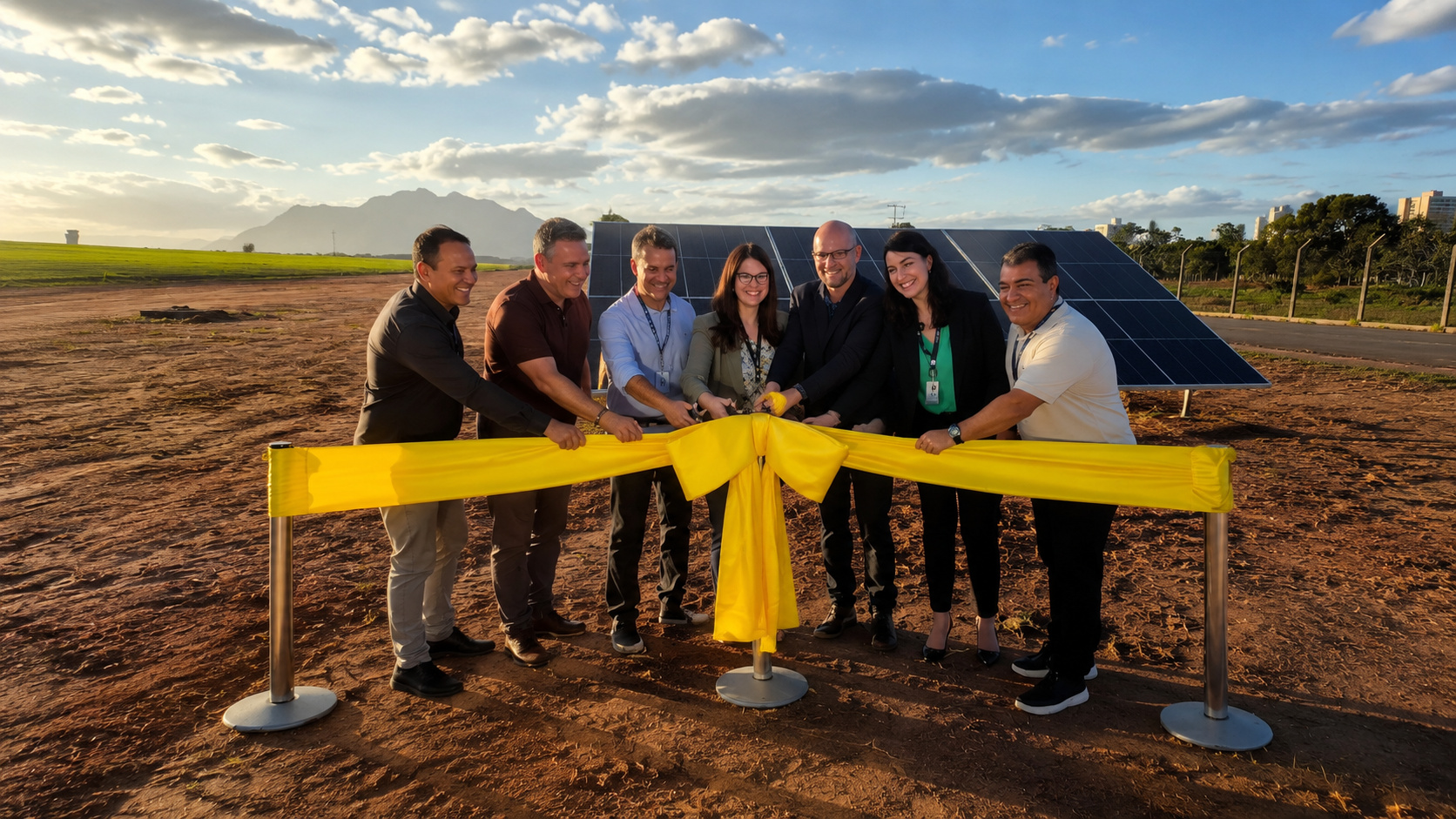

Signing of the Contract Will Include President Lula’s Presence
In addition to the project’s energy relevance, the signing ceremony will carry political weight. President Luiz Inácio Lula da Silva will participate in the event during an official visit to the refinery today.
The presence of the head of the Executive Branch reinforces the symbolism of the investment, which combines refining capacity expansion with sustainability and energy efficiency strategies.
On the same day, Petrobras is also expected to announce the forecast of an increase of 50,000 barrels per day (bpd) in the production of derivatives at Rnest. This increase is expected to occur between the end of 2026 and the beginning of 2027, as part of the unit’s expansion schedule.
Expansion of the Refinery Occurs in a Staggered Pace Until 2029
Rnest is undergoing a broad expansion process, driven by the resumption of work on the so-called Train 2. According to Petrobras, all necessary contracts for this phase have already been signed in mid-October.
In total, there are seven major contractual sets, involving companies such as Consag, Tenenge, CPL, Possebon, Tecnosonda, and Schneider Electric.
These agreements total more than R$ 8 billion in investments. According to information from the state-owned company, three of these contracts are already at an advanced execution stage, indicating that part of the construction is significantly underway.
According to the Executive Manager of Surface Systems, Refining, Gas, and Energy, Flavio Casa Nova, the deliveries will occur gradually, with completion expected by July 2029.
He explains that the capacity of the refinery has been growing even before the completion of the full works.
Modernizations Have Already Boosted Rnest Production
Until last year, the operational capacity of Rnest was 88,000 barrels per day. Currently, however, the unit already produces about 130,000 bpd, a direct result of the installation of new equipment and technical improvements implemented over the past few months.
One of the highlights of this process was the commissioning of the SNOX unit, a emissions abatement system. This technology transforms sulfur and nitrogen oxides into sulfuric acid, contributing to an increase of approximately 27,000 bpd in production.
In addition, the refinery underwent revamps in Train 1 and the current distillation unit.
“By the end of 2026, Rnest will be ready to grow [production] by an additional 50,000 bpd, completing the expansion with more 130,000 bpd in July 2029, when it will reach a total production of 260,000 bpd,” details Casa Nova.
Solar Energy and Industrial Expansion Go Hand in Hand
As it expands its production capacity, the refinery also incorporates renewable sources into its operation.
The solar power plant within Rnest emerges as part of this movement, helping to reduce dependence on conventional energy and reinforcing the company’s environmental commitments.
Currently, the refinery’s operation employs about 3,000 workers. As construction progresses, this number is expected to rise to between 3,400 and 3,500 employees.
Still, the largest job creation occurs during the temporary construction phase, when Petrobras expects the presence of 10,000 to 15,000 workers on site.
Rnest Will Have a Strategic Role in National Fuel Supply
Magda Chambriard emphasized that Rnest is an “extremely modern” refinery and strategic for the Brazilian market. According to her, the unit will be capable of allocating about 70% of its production to diesel S-10, a low-sulfur fuel.
This way, the refinery could meet approximately 17% of the national demand for this type of diesel. The remaining 30% of production will be distributed among gasoline, LPG, and naphtha, increasing the supply of derivatives in the domestic market.
Another point highlighted by the president of Petrobras was the integration of Rnest with the Suape Port. According to the executive, this relationship is expected to strengthen as the refinery progresses in its expansion.
“At this port, Petrobras already operates 81% of the liquid bulk handled. And when we talk about the expansion of the refinery, we are also talking about increasing Petrobras’ share in port activities,” she said.