Portuguese
  Spanish


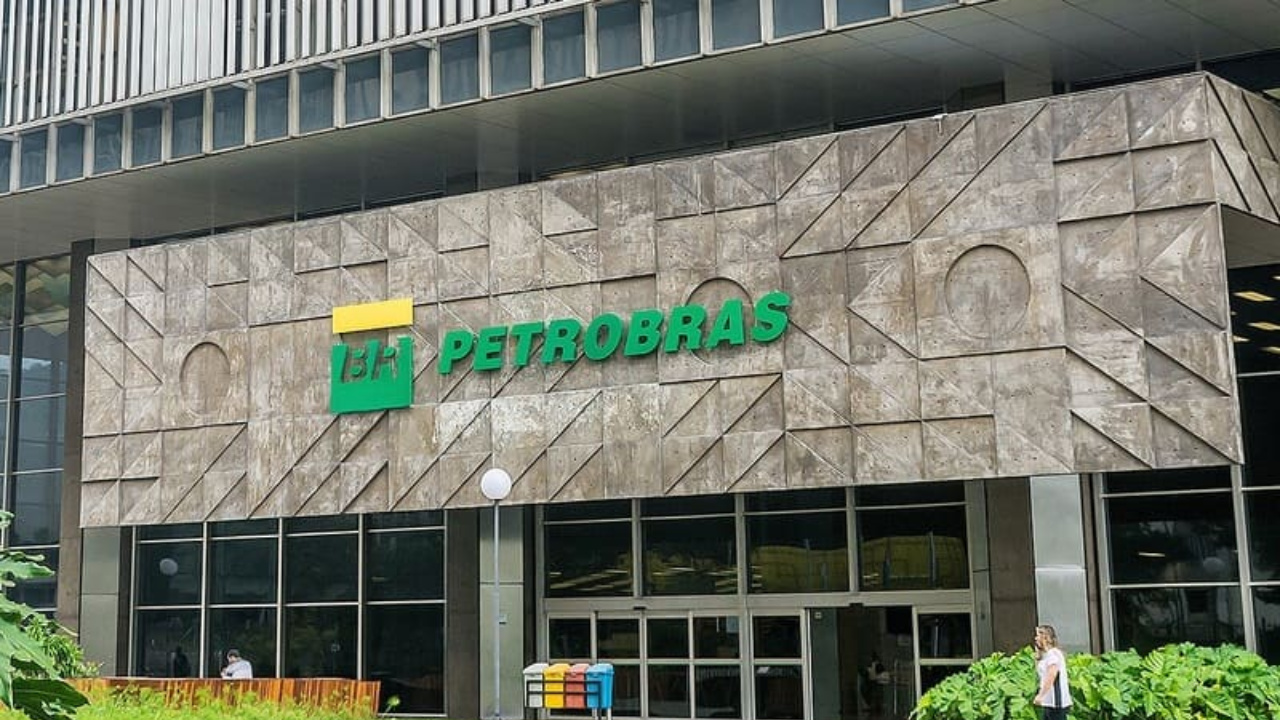


Lula Must Negotiate With Trump the Return of Petrobras to Oil Exploration in Venezuela, Using US$ 1.8 Billion Debt as Possible Bargaining Chip.
An US$ 1.8 billion debt could turn into a direct stake in oil fields in Venezuela. This is one of the alternatives that the Brazilian government is studying to enable Petrobras’ return to the neighboring country’s oil sector.
The topic is expected to be on the agenda of the meeting between President Luiz Inácio Lula da Silva and U.S. President Donald Trump, scheduled for March.
The intention is to discuss political conditions for the Brazilian state-owned company to resume operations in Venezuelan territory after the change of government in Caracas.
-
Petrobras Explores Entry into Corn Ethanol Market, Aiming to Become a Biofuel Giant

-
Brazil’s $8.5 Billion Auction Secures New Power Plants to Prevent Peak Hour Energy Shortages
-
Why Gasoline Prices Remain Stable: How Petrobras’ Subsidies and Pricing Policies Control Fuel Costs in Brazil
-
SpaceX Plans 13 km Pipeline to Reduce Truck Reliance and Speed Up Starship Rocket Launches in the U.S.


At the same time, there is growing assessment within Petrobras that the new regulatory framework for Venezuelan oil is more open to foreign investment. Nonetheless, the political scenario raises doubts.
New Oil Law Excites Investors, but Risk Remains
The Venezuelan Assembly recently approved a new oil law, already under the government of Delcy Rodríguez. Within Petrobras, the understanding is that the current rules are more favorable to foreign investment.
Even so, there is caution. A source from the state-owned company recalls that it is still early to consider political instability fully resolved. Legal security remains a sensitive point.
Moreover, Trump’s term is limited. There are three more years ahead. In the oil industry, this time is short. Projects often take decades. Therefore, there are no guarantees regarding Venezuela’s political future.
The central point of negotiation involves financing released by BNDES in the past decade. These contracts, made with the Venezuelan government, were not settled. The amount reaches US$ 1.8 billion, about R$ 9.5 billion.
As the chances of short-term payment are considered remote, Planalto is assessing alternatives. One is to transform the debt into assets linked to oil.
This strategy would allow Petrobras to return to the Venezuelan market without the need for immediate new disbursement.
Three Areas of Interest in the Oil Sector
There are at least three areas that attract the Brazilian state-owned company’s interest.
First, Lake Maracaibo. The region produces lighter oil. However, these fields have been exploited since the 1920s and are currently in decline.
Second, the Orinoco Basin. There the oil is heavier and has lower value in the international market. On the other hand, Petrobras has technical experience and logistical capacity to refine this type of oil.
Third, the Venezuelan refineries. Many are deteriorated. Still, the company sees potential for recovery.

Additionally, offshore gas exploration is also being considered. This is an area still without production in Venezuelan waters.
Political Context Expands Debate on Fossil Fuels
The possible return of Petrobras occurs at a time when the state-owned company is already breaking records in oil production and export. At the same time, it seeks to advance into new exploratory frontiers, such as the Mouth of the Amazon.
In a speech last year in Houston, Petrobras president Magda Chambriard stated, “Drill, baby, drill!”. The phrase echoed in the sector and reinforced the appetite for expansion.

Now, with Venezuela again on the radar, political maneuvering becomes decisive. Lula intends to address the topic directly with Trump, seeking approval for the operation.
In light of this scenario, the question arises that divides opinions: is transforming a billion-dollar debt into new oil projects in Venezuela a smart strategy or too high a risk for Brazil? What do you think?