






 Portuguese
  Spanish


New unit accelerates pre-salt production, expands natural gas exports, and strengthens energy strategy with operational efficiency, safety, and sustainable technologies in the Búzios field
The anticipation of production from the P-79 platform in the Búzios 8 project marks a significant advance in Brazil’s oil and gas sector. The information was disclosed by “Valor Econômico,” based on official Petrobras data, reinforcing the strategic impact of this operation on increasing pre-salt production capacity. Furthermore, this move demonstrates how the company has sought to optimize its projects to generate more efficiency and return in the shortest possible time.
Initially scheduled to start operations on another date, the platform had its production anticipated, which represents a significant operational gain. Thus, Petrobras not only accelerates revenue generation but also strengthens its position in the global energy market, especially in the offshore segment.
P-79 Platform boosts production in the Búzios field

The P-79 platform is the eighth unit in the Búzios field and has an impressive production capacity of 180,000 barrels of oil per day. Additionally, it boasts a gas compression capacity of 7.2 million cubic meters (m³) daily, a number that highlights the project’s robustness.
-
OPEC+ Boosts Oil Supply by 188,000 Barrels per Day in July 2026, Leading to Price Drop from $112 to $89 per Barrel in Under Two Months

-
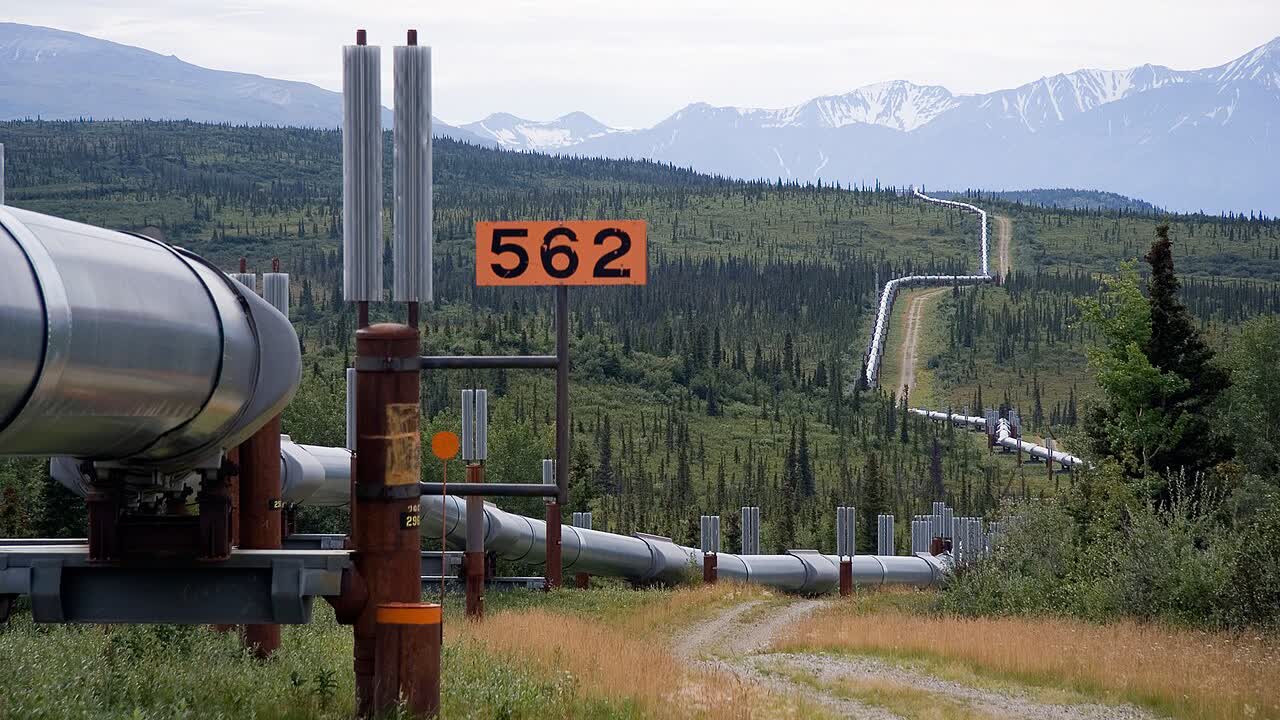
TotalEnergies Signs 20-Year Deal to Purchase 2 Million Tons of LNG from Alaska, Boosting Project Viability
-
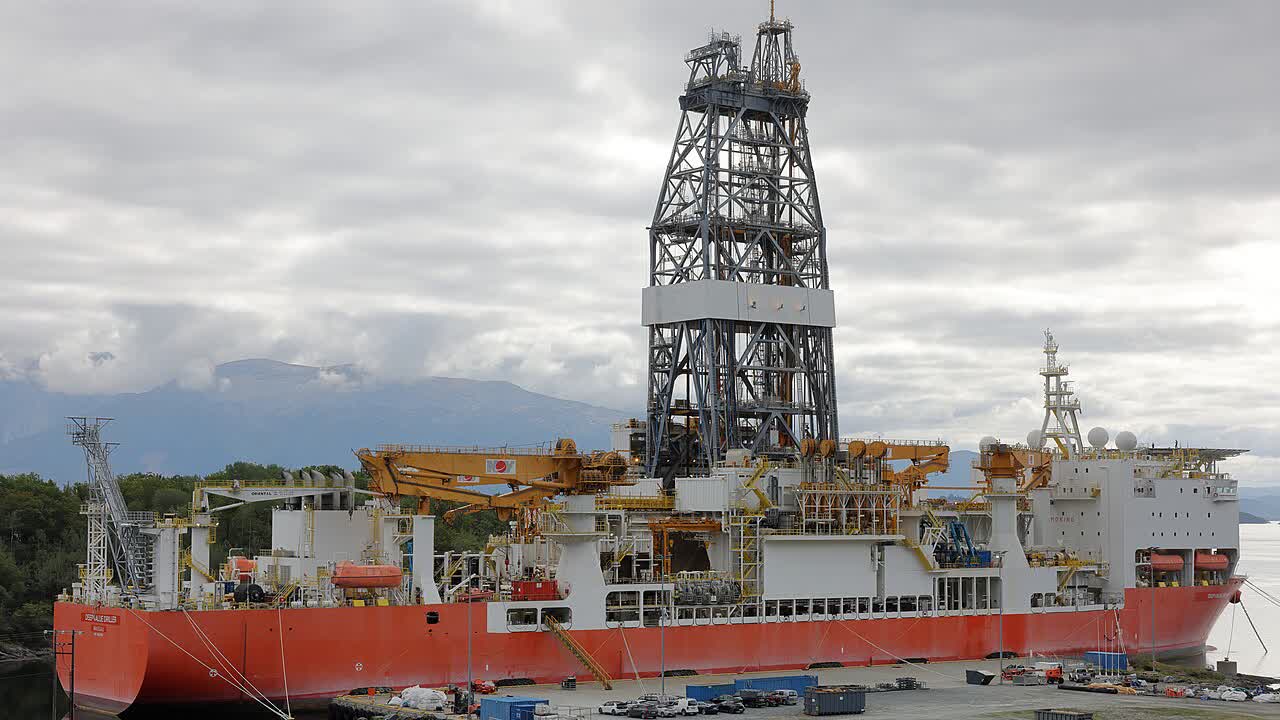
Turkey Deploys Çağrı Bey Drilling Ship to Explore New Oil Frontier Off Somalia’s Coast
-
Golden Pass LNG Ships First Liquefied Gas Cargo from the U.S., Completing $10 Billion QatarEnergy and ExxonMobil Investment

With this new unit in operation, the total installed capacity of the Búzios field reaches approximately 1.33 million barrels of oil per day. This growth not only expands national production but also consolidates the field as one of the most relevant in the Brazilian pre-salt.
Another important point is the integration with the Rota 3 gas pipeline. This will enable gas export to the continent, increasing national supply by up to 3 million m³ per day. Therefore, in addition to oil, natural gas also gains prominence in this energy expansion scenario.
Technology and efficiency elevate operational performance
The P-79 platform arrived in Brazil in February, coming from South Korea. During the journey, Petrobras adopted an efficient strategy by performing part of the commissioning while the unit was still in transit. Consequently, this eliminated the need for a stop in sheltered waters in the country.
This decision brought direct benefits, such as increased operational safety, greater system reliability, and immediate readiness for the start of activities. Furthermore, it reduced logistical costs and accelerated the platform’s entry into operation.
Another relevant highlight is that the P-79 is a hull with a completely new design. The unit was equipped with modern technologies aimed at reducing emissions and increasing operational efficiency. Thus, Petrobras advances not only in productivity but also in sustainability, an increasingly relevant factor in the global energy sector.
Búzios 8 Project expands production with operational intelligence
The Búzios 8 project foresees the installation of 14 wells, with 8 producers and 6 injectors. These wells feature intelligent completion systems, which allow for more efficient production management over time.
Furthermore, the platform will be interconnected by rigid pipelines for production, injection, and gas export. Service lines will use flexible pipelines, ensuring greater operational adaptability. As a result, the unit will be able to operate at high capacity, in accordance with the company’s strategic planning.
This combination of technology, infrastructure, and planning reinforces the importance of the Búzios field within Petrobras’ portfolio. At the same time, it highlights the pre-salt’s potential as an engine for Brazil’s energy growth.
Finally, it is worth noting that the anticipation of P-79’s production demonstrates Petrobras’ ability to execute complex projects efficiently. In a competitive global scenario, this agility can be crucial for keeping the company among the sector’s leading players.
Do you believe the pre-salt still has the potential to transform Brazil into a global energy powerhouse?


