Portuguese
  Spanish


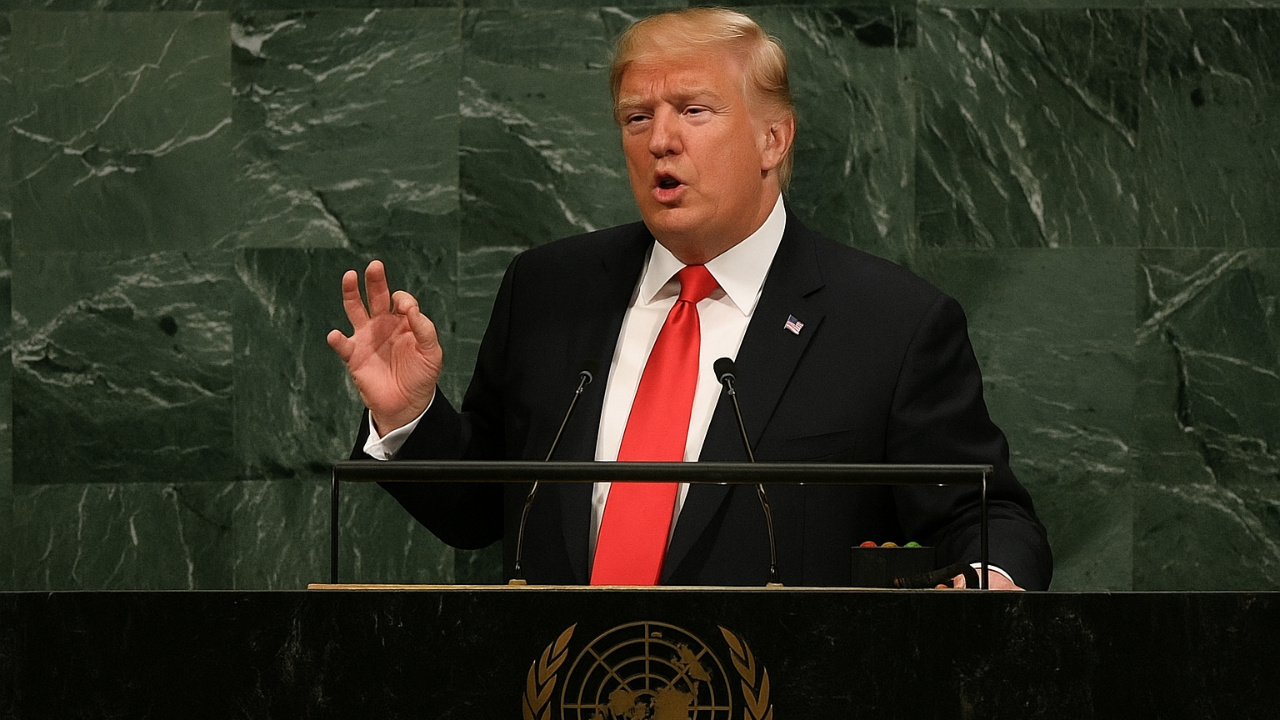

Oil Closed Higher After Donald Trump Threatened Russia During UN Speech. The Republican Called on Europe to Cut Russian Energy Purchases and Rattled the Markets.
The prices of oil rose on Tuesday (23) after former US President Donald Trump used the UN General Assembly to renew attacks on Moscow. The Republican emphasized that Washington is ready to impose tougher tariffs if Russia does not move forward in a peace agreement with Ukraine.
According to market analysts, the remarks immediately pressured international prices. A barrel of Brent Crude, for delivery in November, increased by 1.59% and reached US$ 67.63. Meanwhile, West Texas Intermediate (WTI), the US benchmark, rose by 1.81%, priced at US$ 63.41.
Europe Under Pressure
Trump made it clear that, to be effective, European countries need to further reduce their purchase of Russian oil. He stated that “the United States is ready to respond with high tariffs,” but highlighted that the plan will only have an impact if Europe “cesses all energy purchases from Russia.”
-
OPEC+ Boosts Oil Supply by 188,000 Barrels per Day in July 2026, Leading to Price Drop from $112 to $89 per Barrel in Under Two Months

-
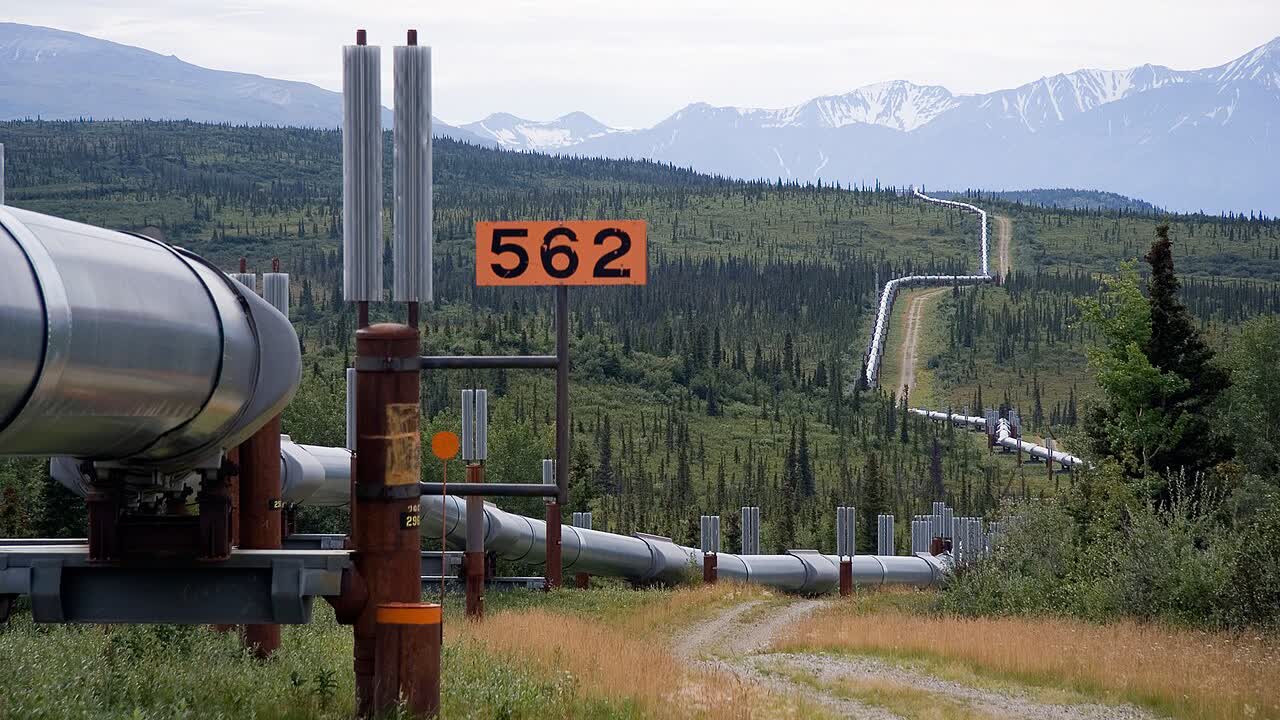
TotalEnergies Signs 20-Year Deal to Purchase 2 Million Tons of LNG from Alaska, Boosting Project Viability
-
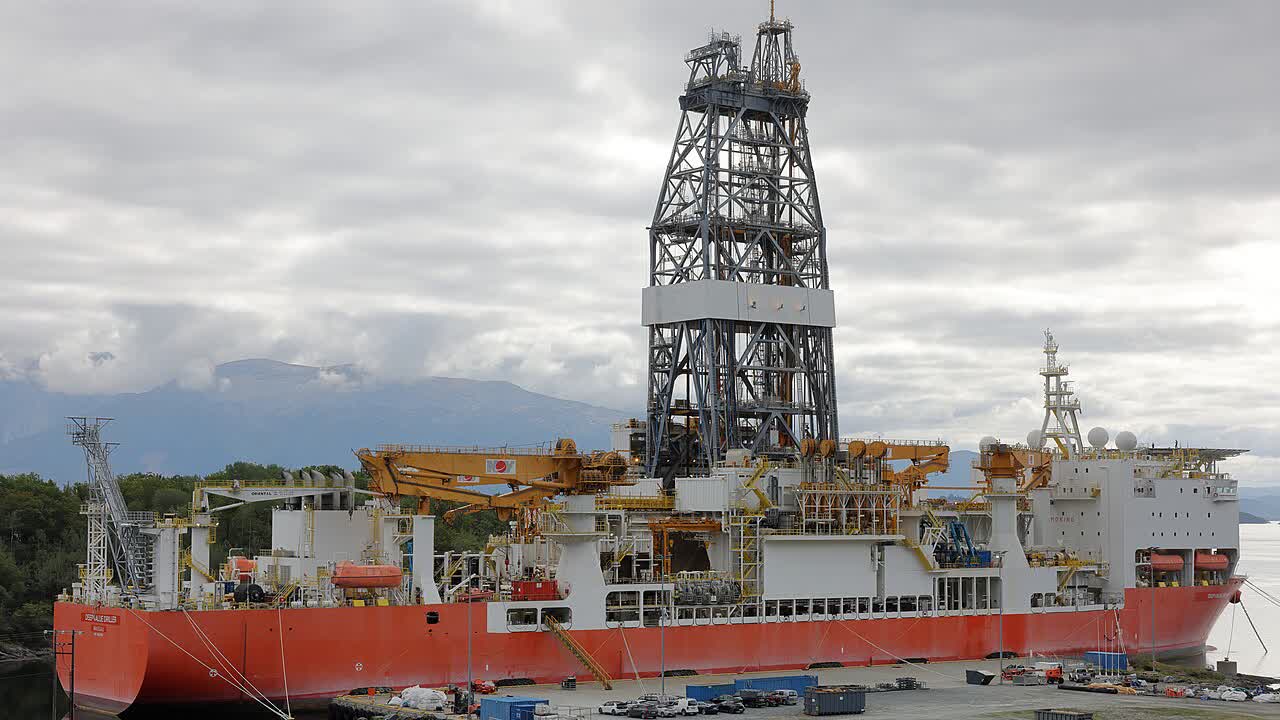
Turkey Deploys Çağrı Bey Drilling Ship to Explore New Oil Frontier Off Somalia’s Coast
-
Golden Pass LNG Ships First Liquefied Gas Cargo from the U.S., Completing $10 Billion QatarEnergy and ExxonMobil Investment

Since the beginning of the war in 2022, the European Union has significantly reduced its dependence on Russian hydrocarbons. However, countries like Hungary and Slovakia still import approximately 200,000 barrels per day of crude oil via pipeline.
Washington seeks to directly target Russian energy revenues, considered vital to sustain the war effort. John Kilduff, a partner at Again Capital, reinforces the perception of risk: “If a concrete measure is taken to stop Russian oil supplies to the global market, prices will rise.”
Investors are also monitoring the escalation of tension. For experts, the mere possibility of new restrictions is already increasing volatility and driving the search for protection in the energy sector.
Global Growth Strengthens Demand for Energy
In addition to political pressure, another factor supported the rise in oil prices. The Organization for Economic Cooperation and Development (OECD) raised its global growth forecast for 2025, increasing it from 2.9% to 3.2%.
The revision is interpreted as a sign of increased energy consumption in the medium term, further strengthening price recovery. The OECD assesses that the global economy should perform better than expected against American trade tariffs, which supports market optimism.