Portuguese
  Spanish


The Aim Is To Make People Swap The Conventional Stove For One Powered By Solar Energy As A Way To Save And Amid The Rise In The Price Of Cooking Gas
The State University of Piauí (Uespi), in partnership with the utility company Águas de Teresina and the Superintendence of Partnerships and Concessions of Piauí (Suparc), will invest in solar-powered stoves due to the rise in cooking gas prices. This is a project developed by the Federal University of Rio Grande do Norte (UFRN) and aims to help low-income families who have been suffering from the increase in cooking gas prices and also electricity costs. Águas de Teresina, which has been responsible for water supply and sewage collection in Piauí since 2017, joined the project to invest in social programs and also in environmental awareness. The consortium emphasizes that, unlike gas, wood, or electric appliances, the solar-powered stove does not generate any type of pollution.
Read Also
UFRN’s Solar-Powered Stove Project May Be an Alternative to Replace Cooking Gas
Simple and sturdy, the solar-powered stove has no great mysteries. According to UFRN, it requires some mirrors, which should be arranged similarly to a parabolic antenna; the device will reflect sunlight directly to a focal point where the pot will be placed.
This technology had already been studied by Professor Luiz Guilherme Meira de Souza, coordinator of the hydraulic machines laboratory at UFRN, in addition to being greatly interested in solar energy research.
-
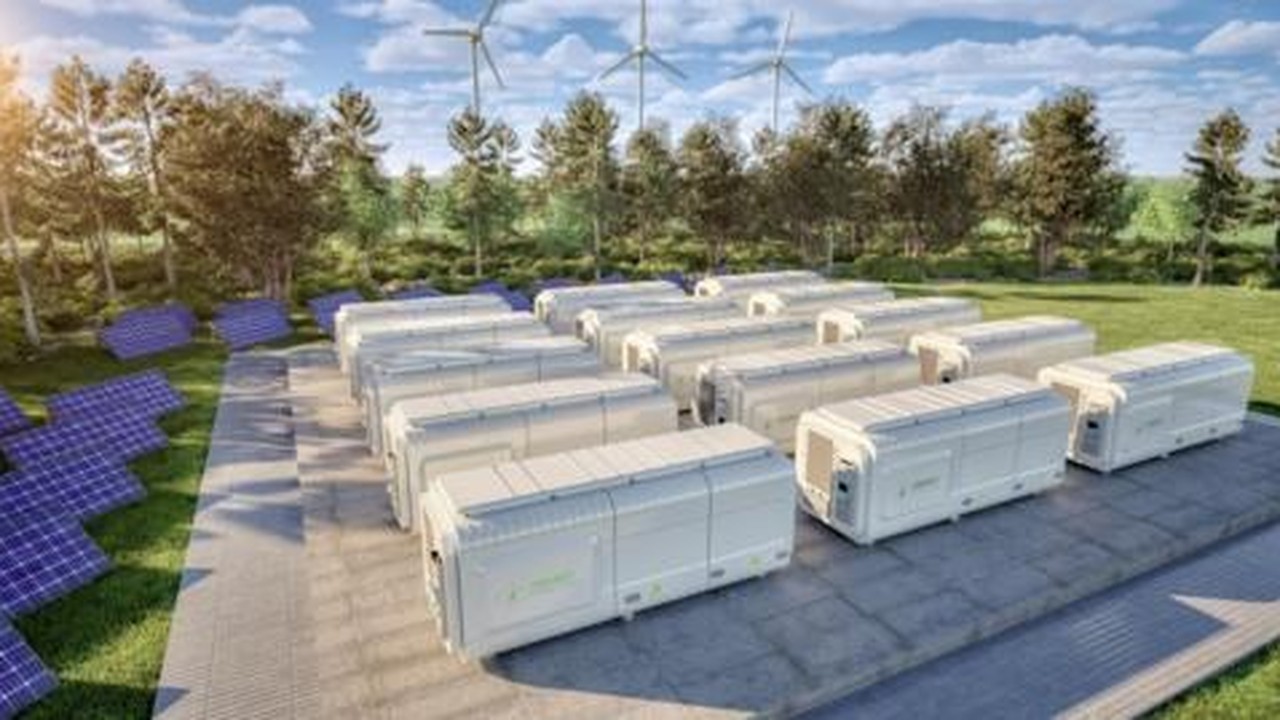
Brazil to Hold First Auction for Batteries to Store Solar and Wind Energy from the Northeast

-
Brazilian scientists are simultaneously advancing two research projects on clean hydrogen and driving solutions that could transform the energy matrix, enhance industrial competitiveness, and accelerate large-scale emission reduction targets.

-
Advancement in renewable energy: A R$ 150 million project launched by Petrobras and Finep aims to create state-of-the-art electrolyzers for green hydrogen, strengthening national research and preparing Brazil to compete in a billion-dollar energy market.
-
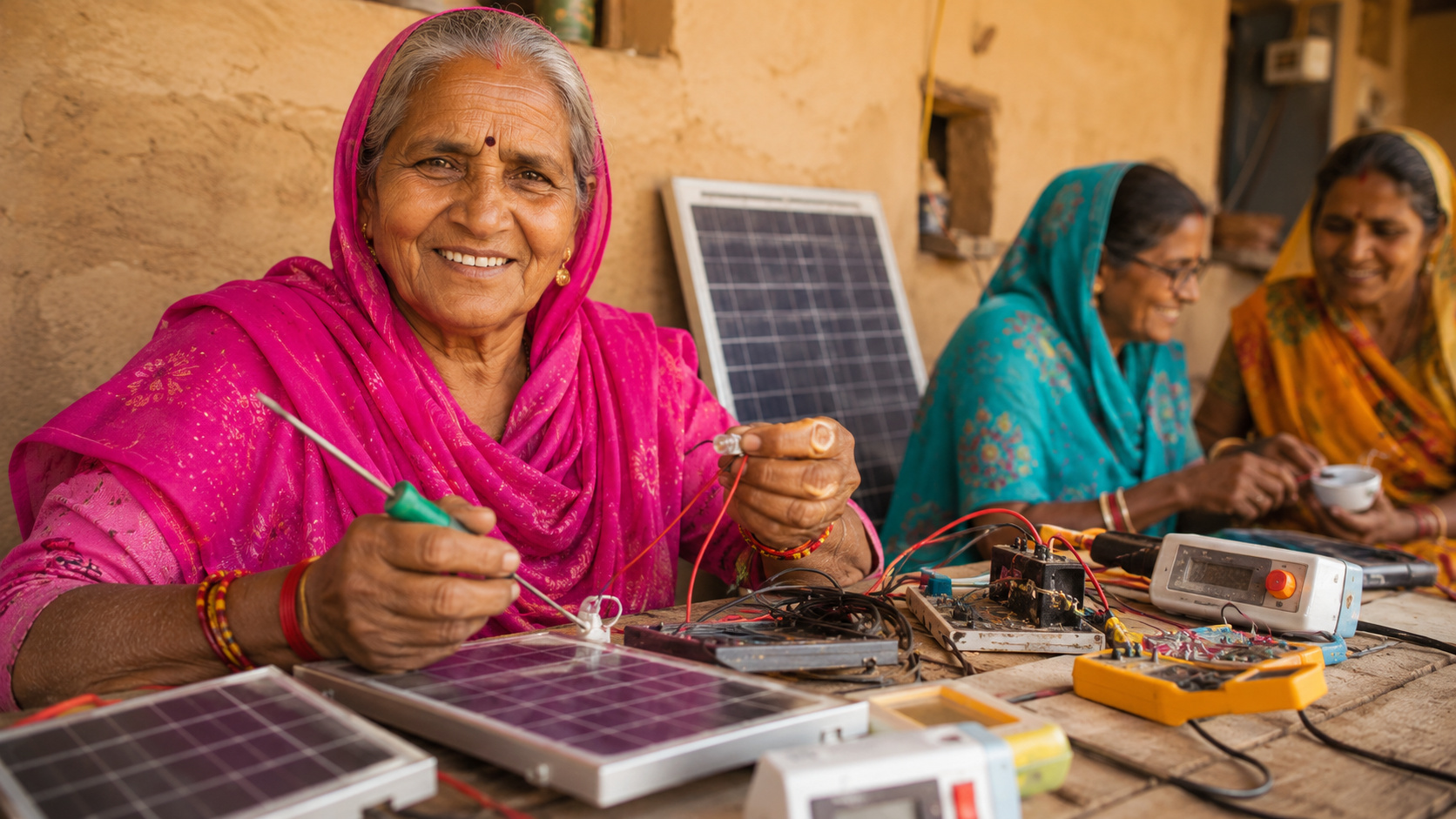
Illiterate or semi-literate grandmothers were trained to repair solar systems, open rural workshops, and light up homes that still depended on kerosene.


During an interview with BBC Brazil in 2018, the professor stated that he did not invent the device, but he seeks improvements and enhancements to make it accessible to those who need it most amid the rising cooking gas prices.
Commercial Viability of the Solar Stove and Its Disadvantages
Basically, the cost of the solar-powered stove will be around R$ 700, but since there will be large-scale production, this amount may decrease. The solar-powered stove has materials that can easily be substituted with scrap. The base of the stove can be made of resin, fiberglass, among other materials.
Although it is a great project, there are disadvantages, such as the fact that the stove will need to be placed outside the house to better absorb sunlight, preferably between 9 am and 2 pm.
The stove will also not work on cloudy or rainy days, precisely because it has no connection to electrical energy, not to mention that it is necessary to use sunglasses or some other eye protection to prevent damage to the eyes.
UFRN’s Solar Stove Is a Sustainable and Economic Alternative
It has been known for some time that using solar energy for cooking has been studied. Solar Cookers International, based in California (USA), reports that these types of equipment are essential for saving electricity, cooking gas, and also serve as an excellent substitute for firewood, which can cause various damages, not only to nature due to its high emissions but also to humans.
This exchange of equipment would also contribute directly to the reduction of deforestation and environmental pollution, as well as the natural preservation of animals present in fields and forests.