






 Portuguese
  Spanish


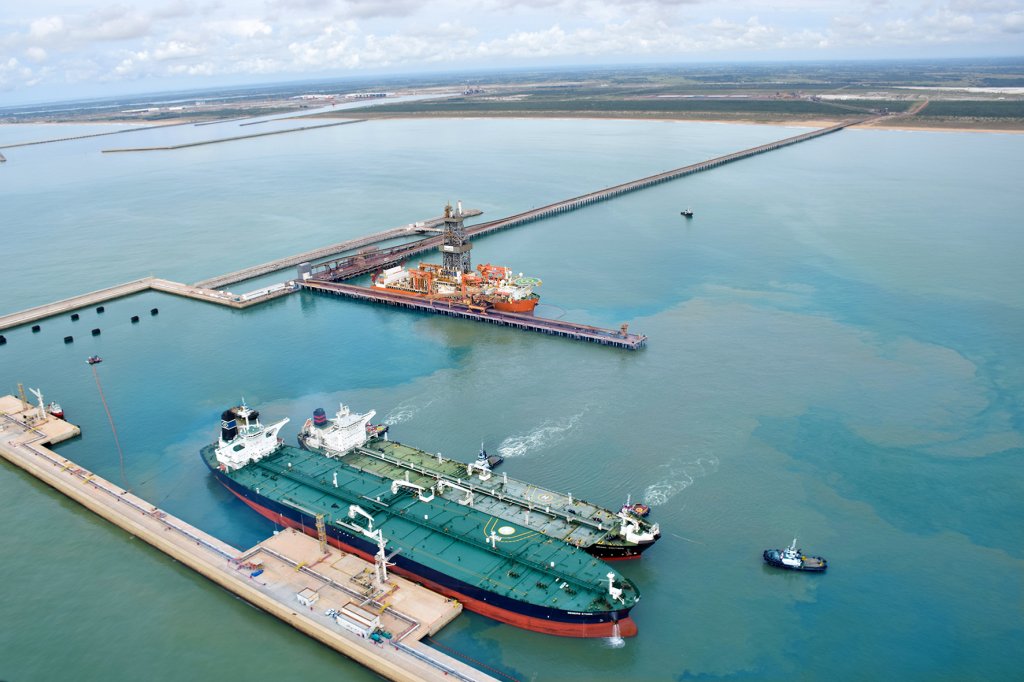

The construction of the new enterprise at the Port of Açu has a project estimated at R$ 2.5 billion. Two thousand jobs will be generated, both direct and indirect
A Açu Petróleo plans to begin construction of Brazil’s first private oil depot at the Port of Açu in the state of Rio de Janeiro this year. The investment is estimated at R$ 2.5 billion, and the project will directly or indirectly generate 2,000 job vacancies during the construction phase. The forecast is for the work to be completed and operations to begin by the end of 2023.
The Construction of the Park at the Port of Açu
In addition to increasing the export capacity of Rio de Janeiro, the Port of Açu will also be connected to a network of pipelines in the southeast to provide alternatives to the refineries located in the state and surrounding areas.
Leonardo Soares, the state secretary for Economic Development, Energy and International Relations, says, “This is a strategic and structural project for Rio de Janeiro and for Brazil. In addition to consolidating the Northern Fluminense Region and the State of Rio de Janeiro in the productive and logistical chain of oil, the enterprise will generate wealth and value for the region, as there is a commitment from the company to prioritize local labor.”
-
Abandoned Factory in Rio’s North Zone Becomes Urban Hazard with Standing Water and Debris

-
The U.S. Navy Conducts Submarine Tests in Idaho Lake to Detect Underwater Noises Hidden by the Ocean

-
British Factory Transitions from Mechanical Parts to Producing 420,000 Electric Power Units Annually, Supplying 70% of Ford’s Electric Cars Sold in Europe
-
France Launches Network to Recycle 20 Million Cookware Pieces by 2027, Accepting All Brands for Aluminum and Coating Separation


The Tanking Park and Job Creation
The project at the Port of Açu includes the establishment of an oil depot with a capacity of 5.7 million barrels at the port, with the potential to expand to 11 million barrels. It also includes the implementation of two pipelines that will connect the oil depot to the existing pipeline network in the southeast.


