Portuguese
  Spanish


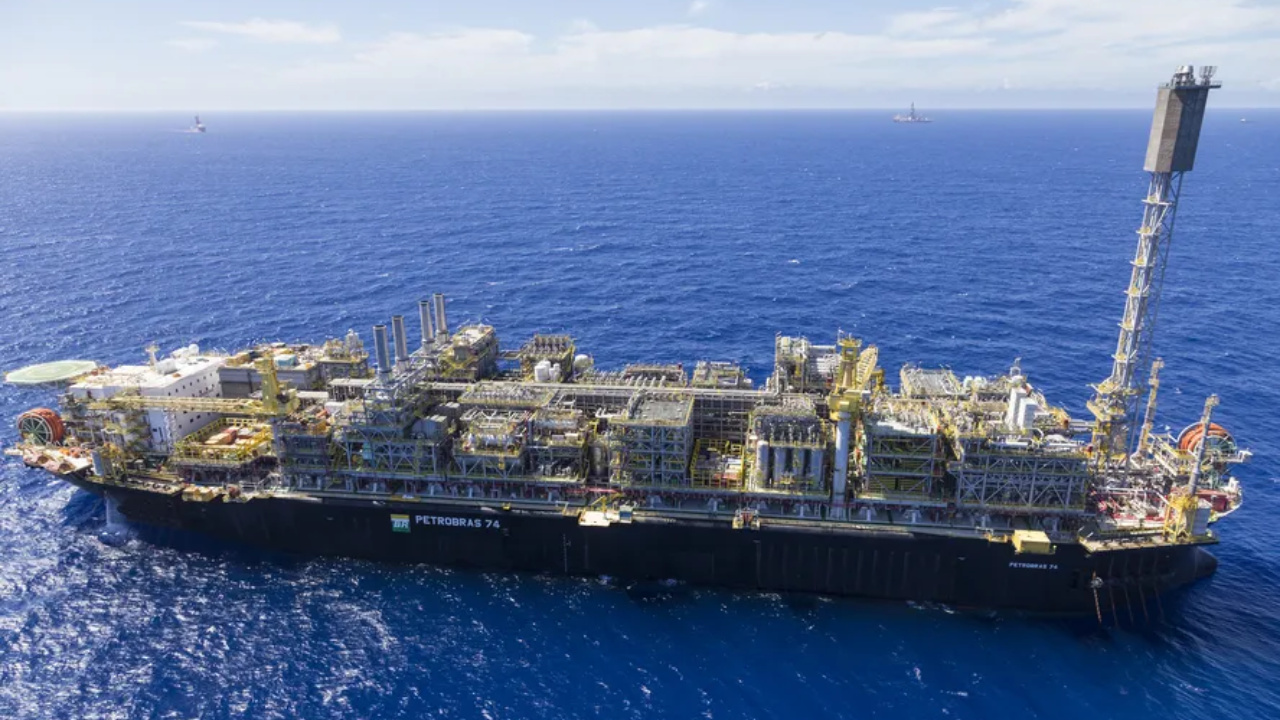


Pre-Salt Production Increased in October, Driven by Búzios and Mero, Elevating the Union’s Share in Production Sharing Contracts, According to PPSA Data.
The pre-salt production recorded a significant advance in October and reinforced the Union’s participation in the production sharing contracts. According to the Monthly Bulletin of Pré-Sal Petróleo S.A. (PPSA), the share of oil allocated to the federal government grew by 4% during the period, reaching 181,000 barrels per day.
The performance was mainly driven by the Búzios and Mero fields, which concentrated the largest volumes produced in the month. The result reflects the increase in operational efficiency and the maturation of projects in strategic pre-salt areas.
Fields with Highest Production Sustain Growth
Among the highlights, Búzios and Mero led the production expansion. These fields have taken a central role in the growth curve of the pre-salt, both in total volume and in the generation of oil profits allocated to the Union.
-
OPEC+ Boosts Oil Supply by 188,000 Barrels per Day in July 2026, Leading to Price Drop from $112 to $89 per Barrel in Under Two Months

-
TotalEnergies Signs 20-Year Deal to Purchase 2 Million Tons of LNG from Alaska, Boosting Project Viability
-
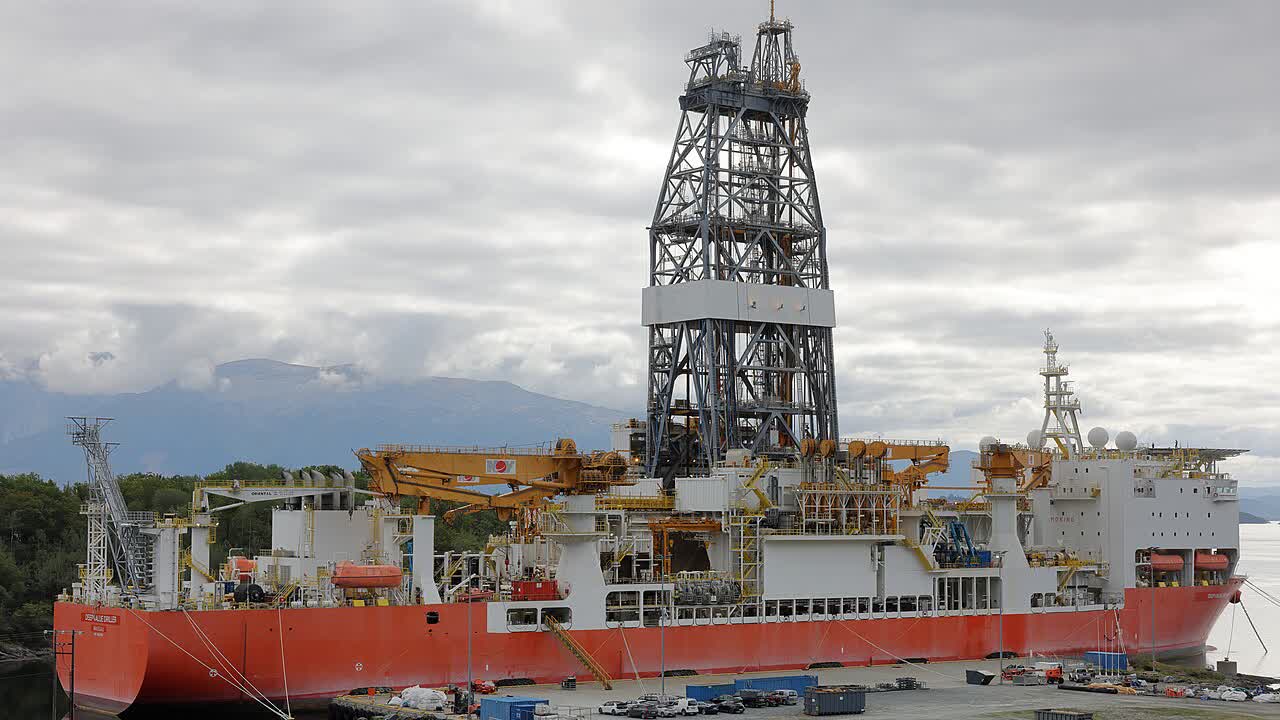
Turkey Deploys Çağrı Bey Drilling Ship to Explore New Oil Frontier Off Somalia’s Coast
-
Golden Pass LNG Ships First Liquefied Gas Cargo from the U.S., Completing $10 Billion QatarEnergy and ExxonMobil Investment



The PPSA bulletin aims to detail the monthly production of the Production Sharing Contracts and the Individual Production Agreements. These instruments involve areas not fully contracted and, therefore, ensure direct participation of the federal government in the results.
Total Production in Sharing Contracts Advances
In the Production Sharing Contracts (CPPS) signed by PPSA, the average total oil production in the pre-salt reached 1.54 million barrels per day in October. This volume represents an 8% increase compared to September, indicating significant acceleration during the period.
Within this total, the Union’s oil share reached 166,000 daily barrels, a growth of 5%. The Mero field played a decisive role in this performance, accounting for over 70% of the volume allocated to the federal government.
Natural Gas Shows Distinct Behavior
While oil production increased, natural gas followed a different trajectory. Considering the five sharing contracts and the Individual Production Agreements, gas production decreased by 3.3%, totaling 533 cubic meters per day.
Nevertheless, in the sharing contracts, the export of natural gas reached 6.64 million cubic meters per day. The Union’s share was 414,000 cubic meters per day, with significant contributions from the Búzios and Sépia fields.
Individualization Agreements Strengthen Government Share
In the Individual Production Agreements (AIPs) of the pre-salt, oil production totaled 32,000 barrels per day, an increase of 9% compared to the previous month. The Union’s participation in these agreements was 16,000 daily barrels.
In natural gas, the advance was even more remarkable. The federal government’s share reached 119,000 cubic meters per day, up 69%, influenced by the surplus registered in the Jubarte field.
The figures reinforce the role of the pre-salt as the main driver of national oil and gas production growth. At the same time, they highlight the expanded participation of the Union, especially in the context of the maturation of large fields and the consolidation of the sharing model as a tool for revenue generation and management of the country’s energy resources.