





 Portuguese
  English
  Spanish
  3 min of reading


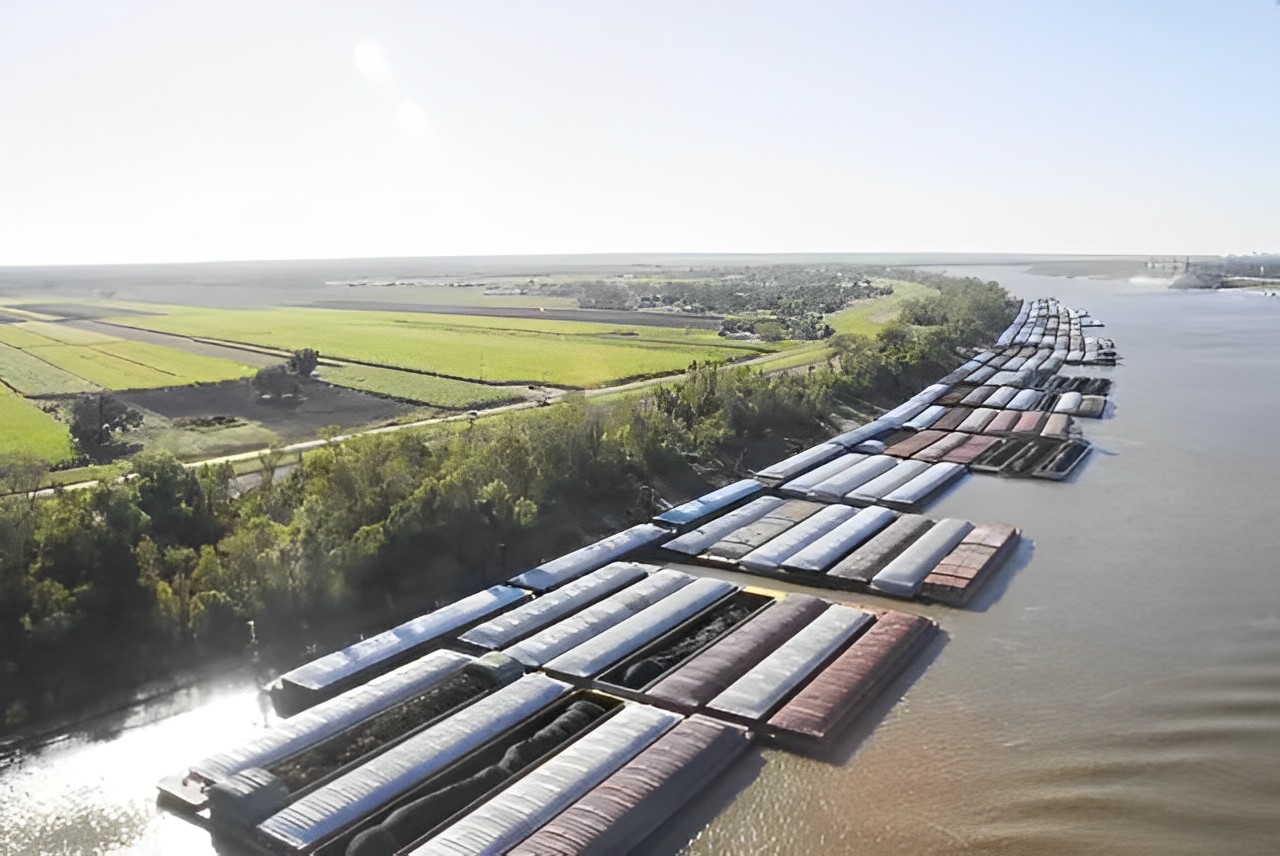
Brazil Has Waterways That Carry About 110 Million Tons of Products Per Year, However Its Participation in the Transport Matrix Is Still Very Low. This Reality Recently Changed When Hidrovias do Brasil Started the Journey of the Largest River Convoy in the Country.
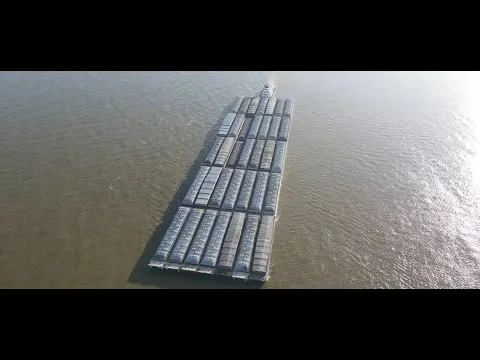
The convoy is made up of 35 barges and has the capacity to carry up to 70 thousand tons, being able to replace 1,666 trucks per trip. The aim of this new composition is to increase efficiency and reduce carbon emissions.
In addition, it was necessary to train the crew to ensure navigation safety. The journey began at the Private Use Terminal (TUP) in Barcarena/PA, heading to the Cargo Transshipment Station (ETC) in Itaituba/PA.
Hidrovias do Brasil | First Trip of the 35 Barges Convoy

The Hidrovias do Brasil is committed to always offering innovative, efficient, and sustainable solutions. Therefore, efforts for the development of inland navigation are crucial for the harvest’s flow and the future of Brazilian transport.
-
MBRF surprises the logistics sector by demonstrating how Artificial Intelligence can directly influence deliveries throughout Brazil by reorganizing distribution routes in seconds, optimizing fleet usage, reducing logistics costs, and speeding up product arrivals even in the face of unforeseen road incidents.

-
With deep ports and strategic railway, Espírito Santo advances to compete with Santos and attract foreign trade cargo.
-
It is now official: Correios and AliExpress join forces to speed up deliveries throughout Brazil, enhance package tracking, and strengthen the digital logistics infrastructure that supports the rapid growth of e-commerce in 2026.
-
The truck that “bent physics” in the Monte Carlo case: report indicates impossible route between São Paulo and Mato Grosso, R$ 4 million in recorded refueling, R$ 3 million advanced, and suspicion of entries without real correspondence.
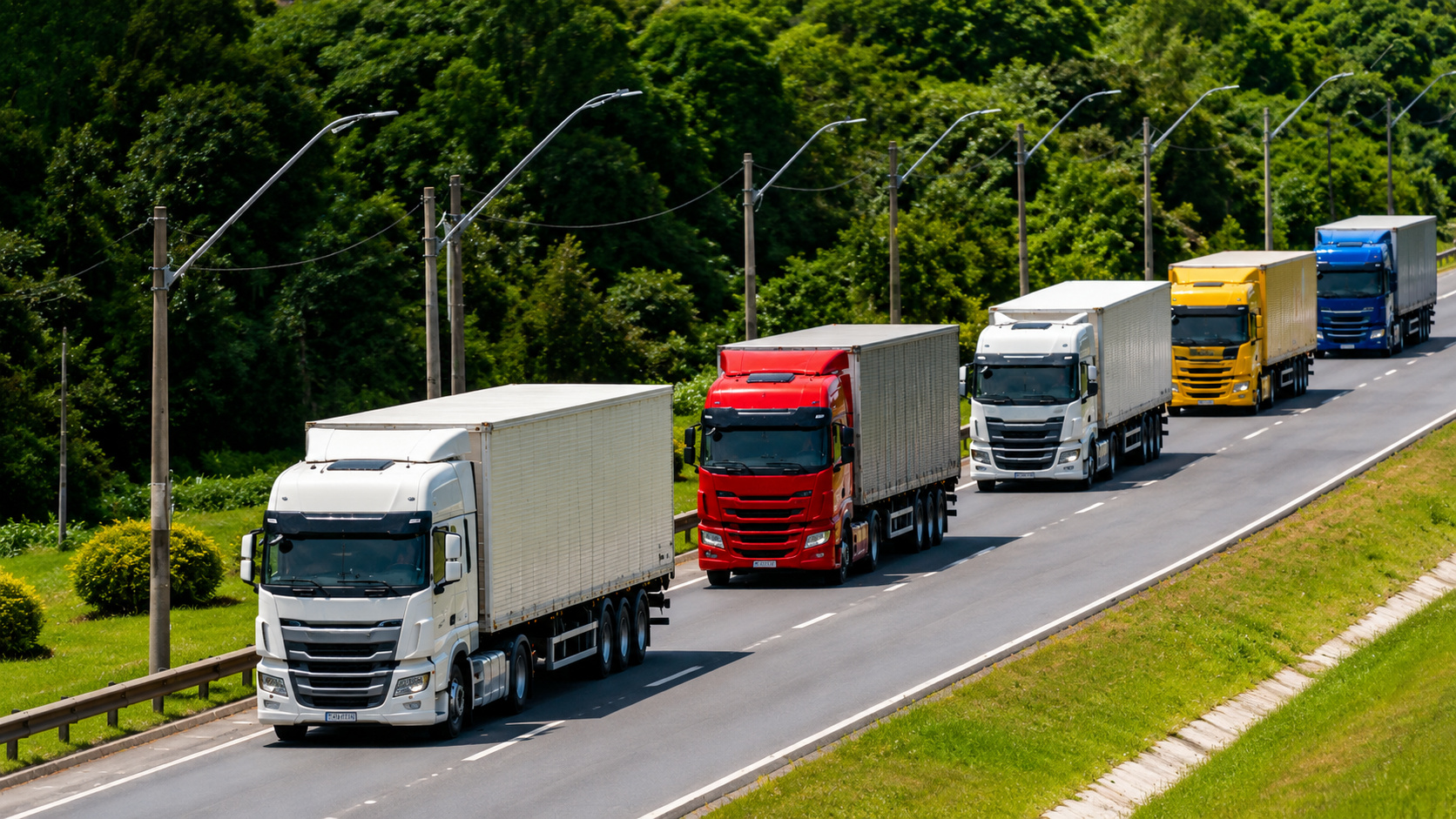

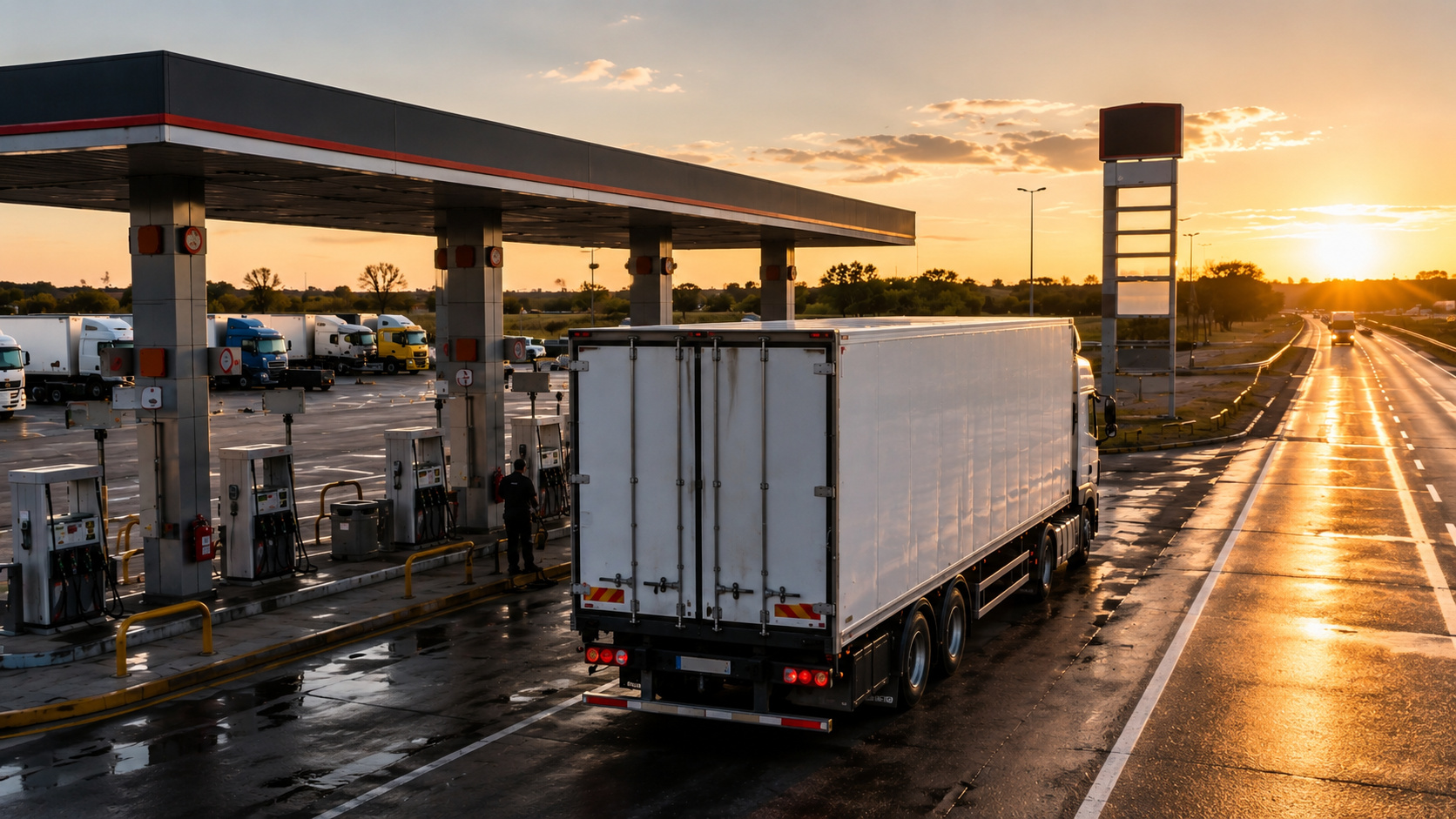
Although it has enormous potential, Brazilian waterways have been treated as a last option in recent years, while the road modal continues to be the most used among all transport means. Since waterways are a cheaper and more effective alternative for cargo transport, investments need to be urgently improved.
It is necessary to develop railways parallel to the waterways to ensure perfect integration between these transport means. This way, the country can leverage the full potential of the waterways to benefit the Brazilian economy and reduce polluting emissions.
Hidrovias do Brasil
Founded in 2010, Hidrovias do Brasil focuses on river transport in South America and operates in four different areas. In the North, it offers a logistical alternative for the transport and flow of grains primarily from the Brazilian Midwest region, with a capacity to move 7.2 million tons per year.
In Coastal Shipping, it conducts the transport of minerals, with a focus on bauxite. In the South, the company operates on the Paraguay-Paraná Waterway, with the capacity to handle nearly 6 million tons per year in various cargoes.
These include grains originating from Paraguay intended for export, iron ore leaving Corumbá destined for the Argentine industry and export, as well as fertilizers and cellulose. Thus, the company is also a lessee of the STS20 area of the Port of Santos, which is designated for the receipt, storage, and shipment of salt and fertilizers.
This area has an annual capacity that can reach 3.5 million tons. Thus, Hidrovias do Brasil is a leader in the logistics sector in the Northern region of the country and offers smart solutions for its clients. Its services allow products to be transported quickly with safety and precision.
The company has invested in modern technology to ensure that services are executed with high quality. In any case, it has highly qualified and trained professionals to operate the necessary equipment for cargo transport.
Currently, Hidrovias do Brasil is present throughout South America and contributes significantly to the region’s development. Its objective is to provide a personalized service to each client with competitive costs and reasonable delivery times. With its extensive logistics network covering all countries in the South American region, it seeks to increasingly expand its operations across these countries.
SOURCE: HIDROVIAS DO BRASIL






Be the first to react!