Portuguese
  Spanish


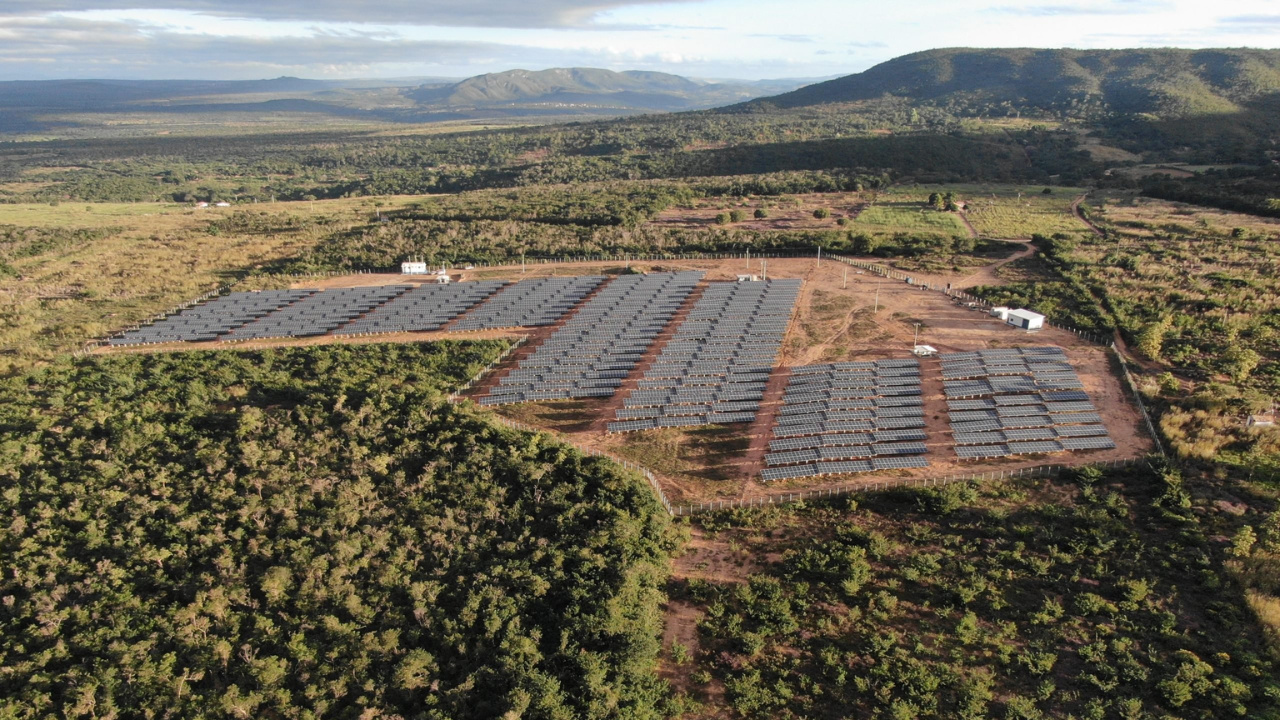

BRF’s Poultry and Swine Production Reaches 66% with Solar Energy, Involving Thousands of Integrated Producers and Global Decarbonization Goals Validated by SBTi.
BRF, a global food giant and owner of brands like Sadia, Perdigão, and Qualy, has registered a remarkable growth in production of poultry and swine with solar energy. The percentage jumped from 49% to 66%, a direct result of an engagement strategy with the company’s integrated producers, as reported by Agrimídia this Monday, 09/08.
This movement shows how the company has transformed its value chain, encouraging the shift to renewable sources and reducing dependence on conventional energy.
Accelerated Transition of Chickens, Turkeys, and Swine
When observed separately, the numbers become even more relevant. Chicken production increased from 58% to 68%. In the case of turkeys, the growth was from 64% to 73%.
-
Brazil’s Vitória Airport to Launch Solar Plant Covering Area of 10 Soccer Fields, Boosting Clean Energy and Cutting Costs

-
Switzerland Converts Train Tracks into Solar Power Plants with Removable Panels to Generate Energy Without Using Additional Land
-
Surge in Solar-Powered Homes in Brazil Leads to Grid Strain and Connection Restrictions in Three States

-
Solar Chimney in Spain Harnessed Sun to Generate Electricity for 7 Years Without Burning Fuel

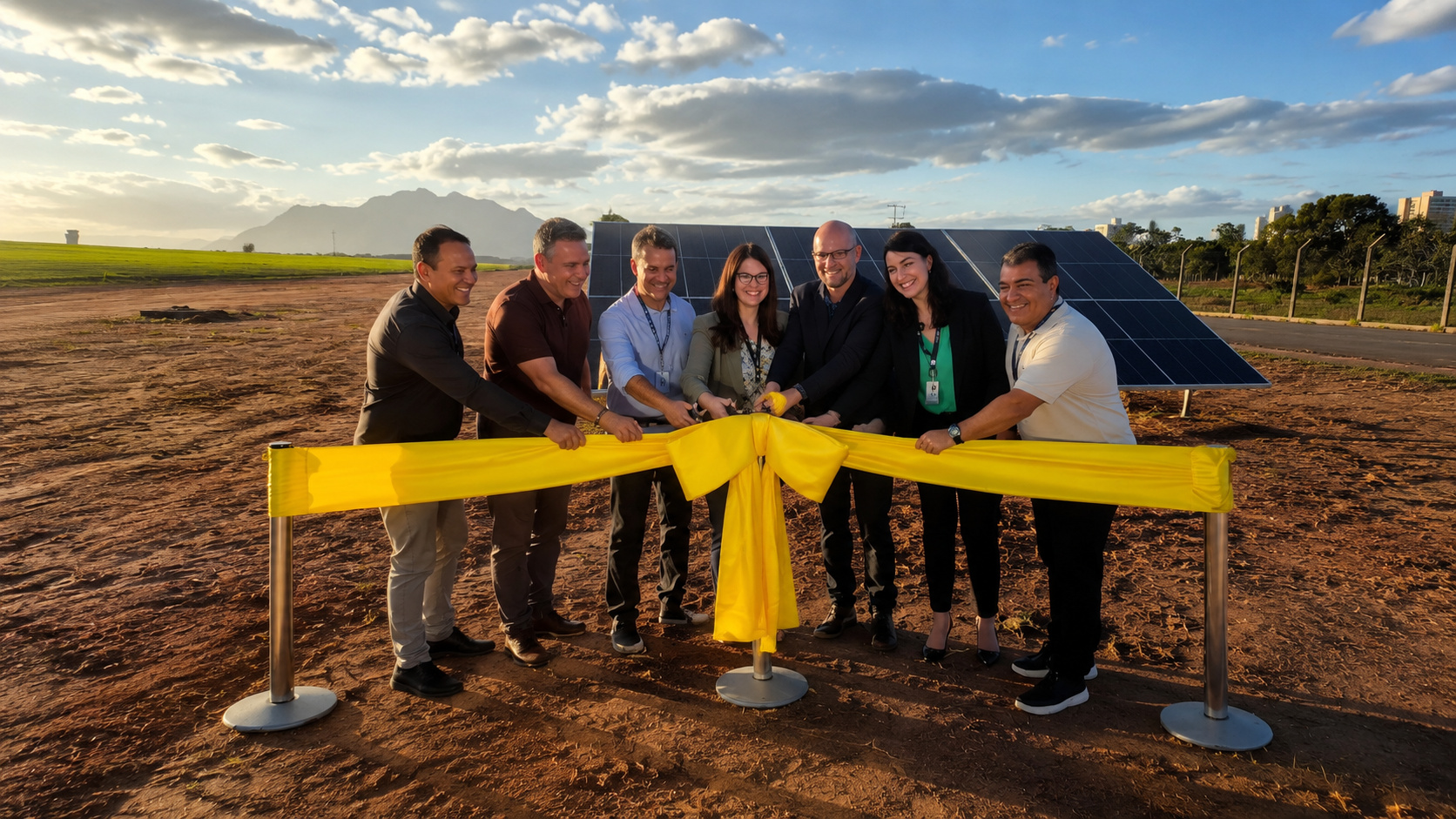

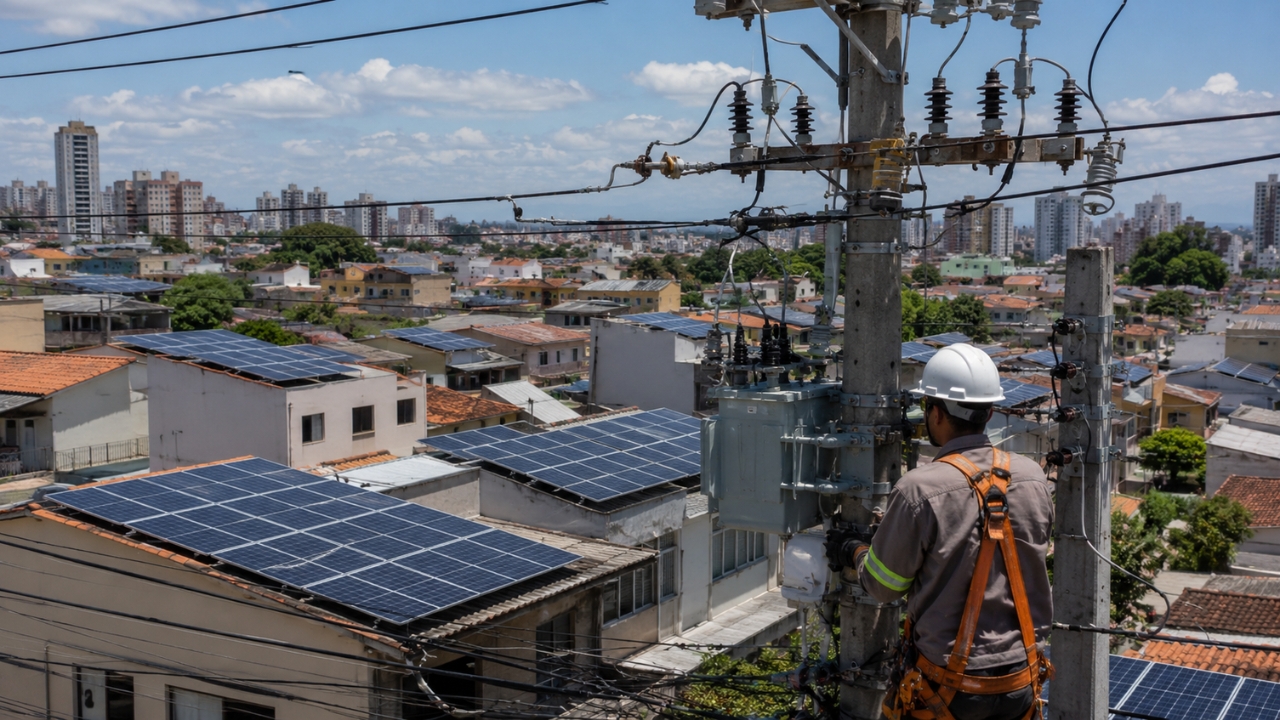
However, the biggest leap occurred in swine production, which nearly doubled its share in solar energy: from 28% in 2023 to 51% in 2024. These results indicate that the energy transition is not limited to poultry, but also robustly reaches swine production.
The adoption of solar energy is already part of the routine for around four thousand integrated producers, spread across seven Brazilian states — Paraná, Santa Catarina, Rio Grande do Sul, Minas Gerais, Goiás, Mato Grosso, and Mato Grosso do Sul — in addition to Turkey.
The volume of energy generated by these properties is so significant that it would be enough to supply a city of approximately 230 thousand inhabitants. This figure demonstrates the concrete impact of the initiative, both environmentally and socially.
Financial Incentives and Cost Reduction
The advancement of the integrated producers was made possible through an agreement between BRF and Banco do Brasil, which provides R$ 200 million in credit with reduced rates to finance the installation of solar systems.
In addition to the environmental contribution, the economic gains have been significant. On average, producers report a 95% savings on electricity costs, making this alternative not only sustainable but also profitable.
In 2025, BRF took a decisive step by having its decarbonization targets approved by the Science Based Targets initiative (SBTi). The company became the first in the food sector in Brazil to achieve validation under the new FLAG methodology, focused on forests, land use, and agriculture.
The commitment is to reduce 51% of direct emissions (scopes 1 and 2) by 2032. This includes factories, distribution centers, and energy consumption in owned operations. For indirect emissions (scope 3), which account for 98% of the total and encompass the entire supply chain, the goal is to cut 35.7%.
According to Paulo Pianez, BRF’s Global Sustainability Director, the engagement of producers is essential in this process: “For a company the size of BRF, reducing emissions is not an isolated movement, but a journey that involves the entire supply chain. The leadership of integrated producers in adopting solar energy shows that it is possible to reconcile sustainability with real gains in the field.”