






 Portuguese
  Spanish


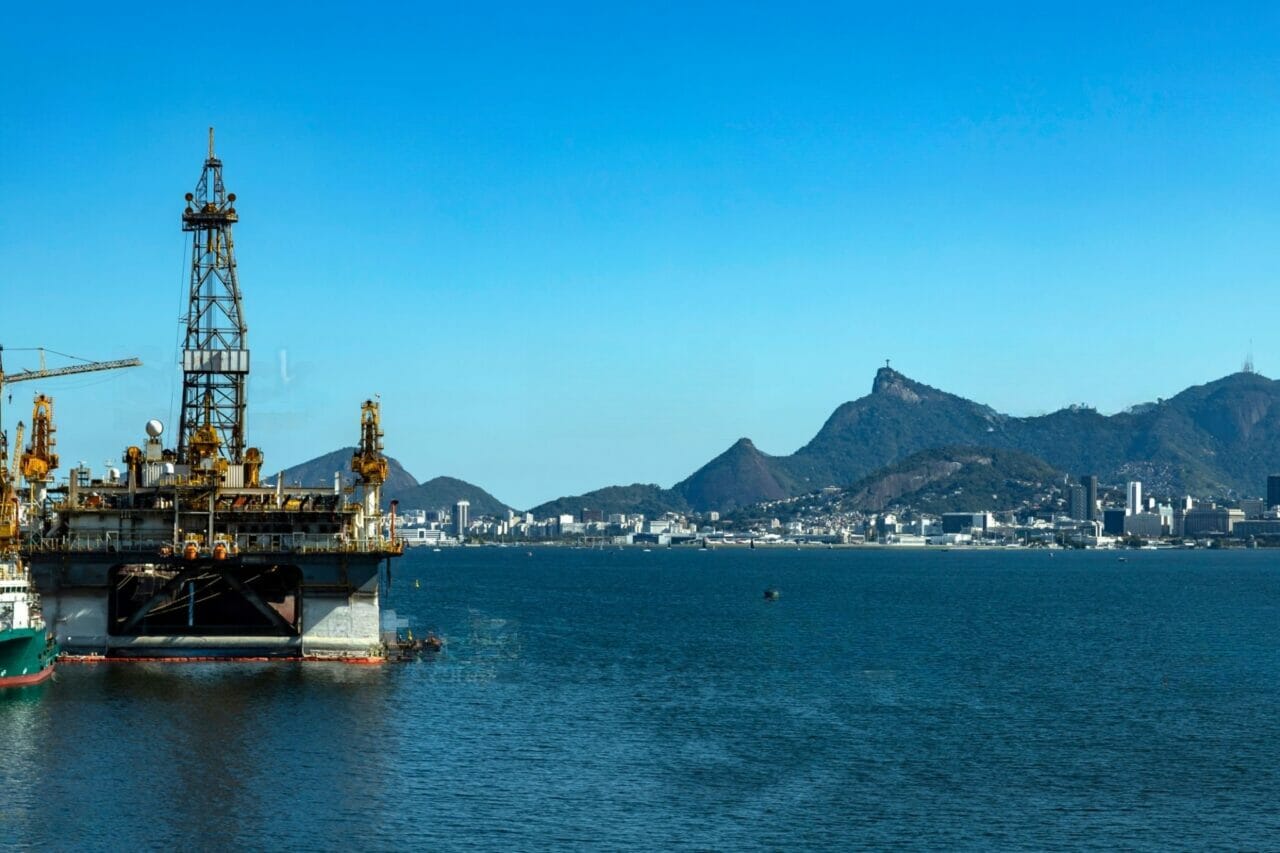

Oil Production in Brazil Has Played a Crucial Role in the Economic and Energy Development of the Country.
In this text, we will analyze the latest data released by the National Agency of Petroleum (ANP) for the month of May. Additionally, we will discuss the future perspectives for this vital industry for the nation.
Oil and Natural Gas Production in May
According to the ANP, oil production reached the mark of 3.201 million barrels per day in May. This figure represents an increase of 1.9% compared to the previous month and an impressive increment of 11.2% compared to May 2022.
Regarding natural gas, production hit 144.410 million cubic meters per day, corresponding to a growth of 2% compared to the previous month and 9.6% compared to the same period last year. These numbers indicate a solid expansion in the production of both oil and natural gas in Brazil.
-
Petrobras to Double Natural Gas Supply in Northeastern Brazil with New Investment

-
Petrobras Approves $1.2 Billion Refinery in Brazil to Produce Aviation Fuel and Diesel from Plants
-
Petrobras Secures $2.2 Billion Contract to Build and Operate Four Support Vessels for Brazil’s Offshore Oil Fields
-
Oil production grows in Rio, but reserve replacement raises a warning sign


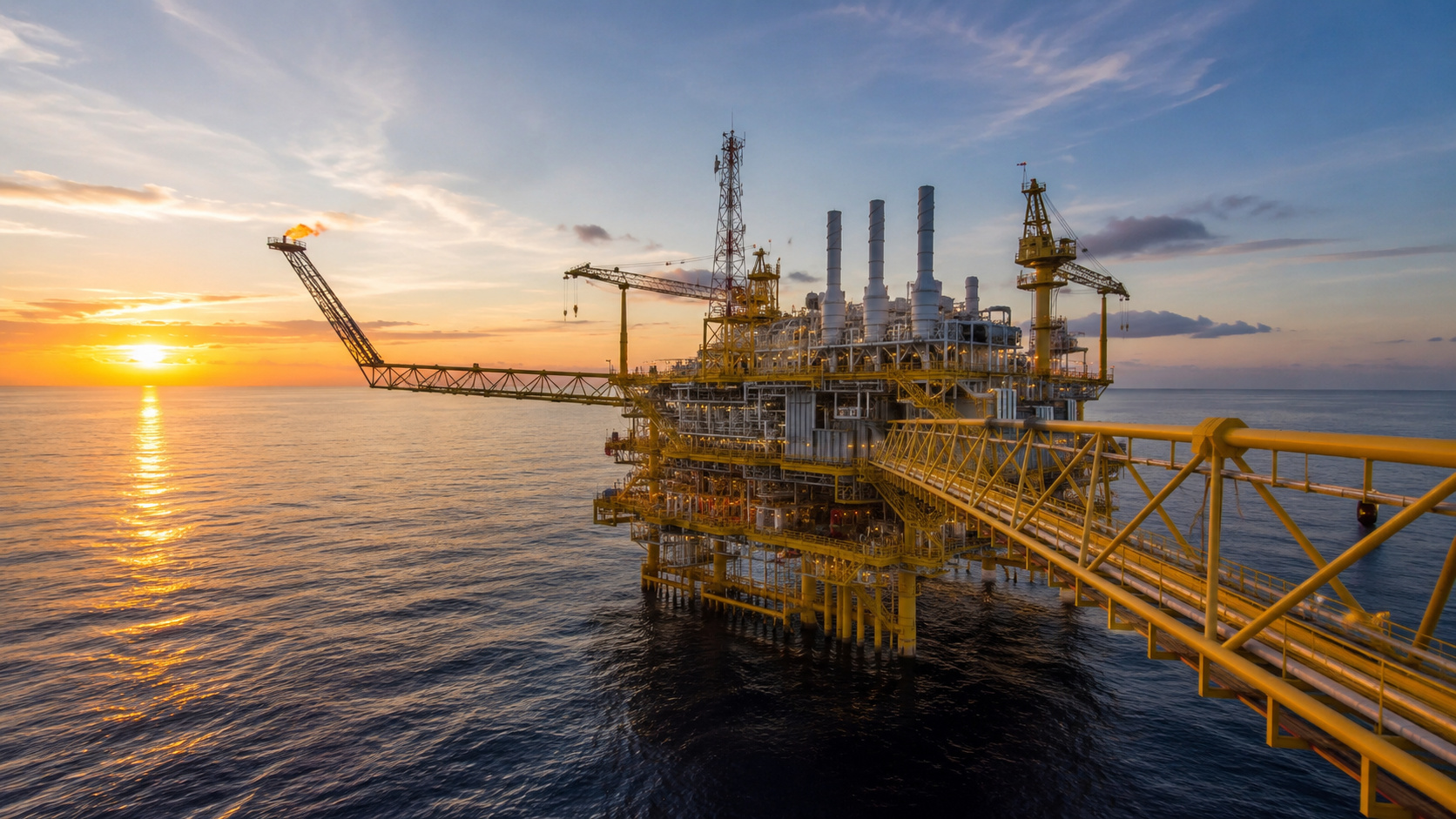
The Importance of Pre-Salt in National Production
One of the main contributions to this expansion comes from the pre-salt, which presented quite expressive numbers. Total production in this region reached a volume of 3.196 million barrels of oil equivalent per day, representing 77.8% of Brazil’s total production. This layer is responsible for 2.510 million daily barrels of oil and 109.16 million cubic meters per day of natural gas, through 144 wells.
Comparing with previous months, the pre-salt recorded a 5.9% increase in oil and gas production in May, establishing itself as one of Brazil’s highest potential areas. Compared to the previous year, there was a significant growth of 12.7%, which highlights the ongoing expansion trend of the oil industry in the pre-salt.
Highlights in Production: Tupi Field and FPSO Guanabara
In May, the Tupi field, located in the Santos Basin, stood out as the largest producer of oil and gas in Brazil. This field recorded an impressive mark of 835.37 thousand barrels daily of oil and 40.61 million cubic meters per day of natural gas.
Another important highlight was the FPSO Guanabara, installed in the shared Meru field, which reached a daily production of 170.583 thousand barrels of oil and 10.82 million cubic meters per day of natural gas. These production units are notable examples of the robust infrastructure that has been developed to enable the extraction and production of oil in Brazil.
Future Perspectives for Oil Production in Brazil
Looking ahead, the perspectives for oil production in Brazil are promising. The country has adopted a strategic approach to the sustainable development of this industry, with investments in technology, innovation, and exploration of new areas.
With the growing global demand for energy and the estimated increase in exploration and production in the pre-salt, it is expected that oil production in Brazil will continue to expand in the coming years. This expansion will also bring significant economic benefits, including job creation and increased tax revenues.


