





 Portuguese
  English
  Spanish
 2 min of reading


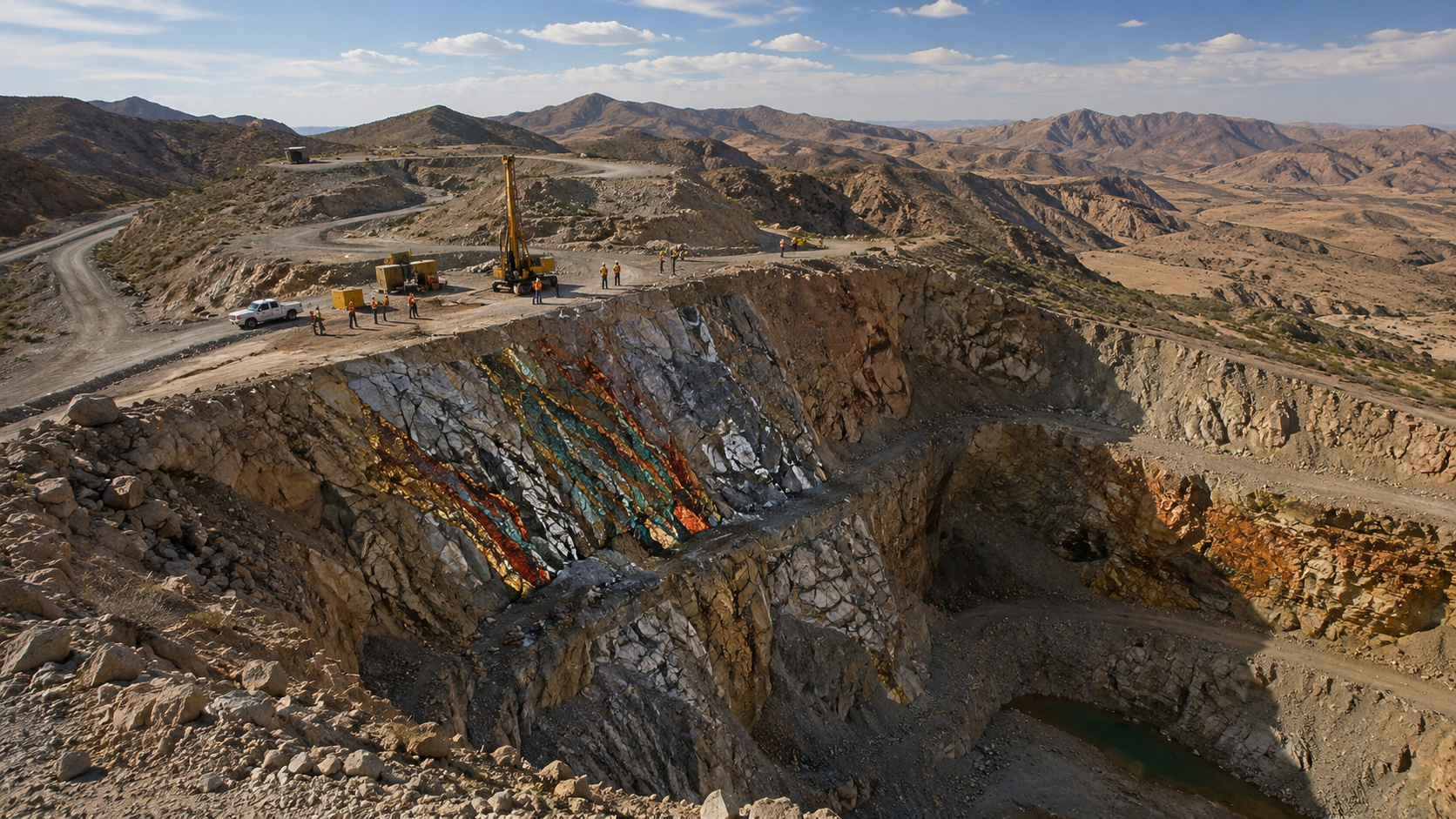
Centaurus Metals, An Australian Resource Company, Successfully Completed Its Pilot Plant Test Program for the Jaguar Nickel Sulfide Project Located in Carajás, Brazil.
The result was the production of the first nickel sulfate, a significant achievement according to the company’s established goal. This news is an important milestone for the Jaguar Project, recently named Strategic Minerals Project of the Brazilian Government in 2022 due to its potential.
According to the annual report published in April by Centaurus Metals, the Jaguar project contains 108 million tons of nickel at a grade of 0.87%, equivalent to about 938,500 tons of contained nickel. Jaguar is identified as one of the largest nickel sulfide resources of a company listed on the ASX following a mineral resource estimate.
The Nickel Recovery Rate from Ore to Sulfate Was Around 75%, Assuming the Nickel Ore Has a Grade of 0.87%.
The expectation is that the final tests to determine if the nickel sulfate meets the indicative specifications of the nickel sulfate product for premium battery potential buyers will be completed in four weeks.
-
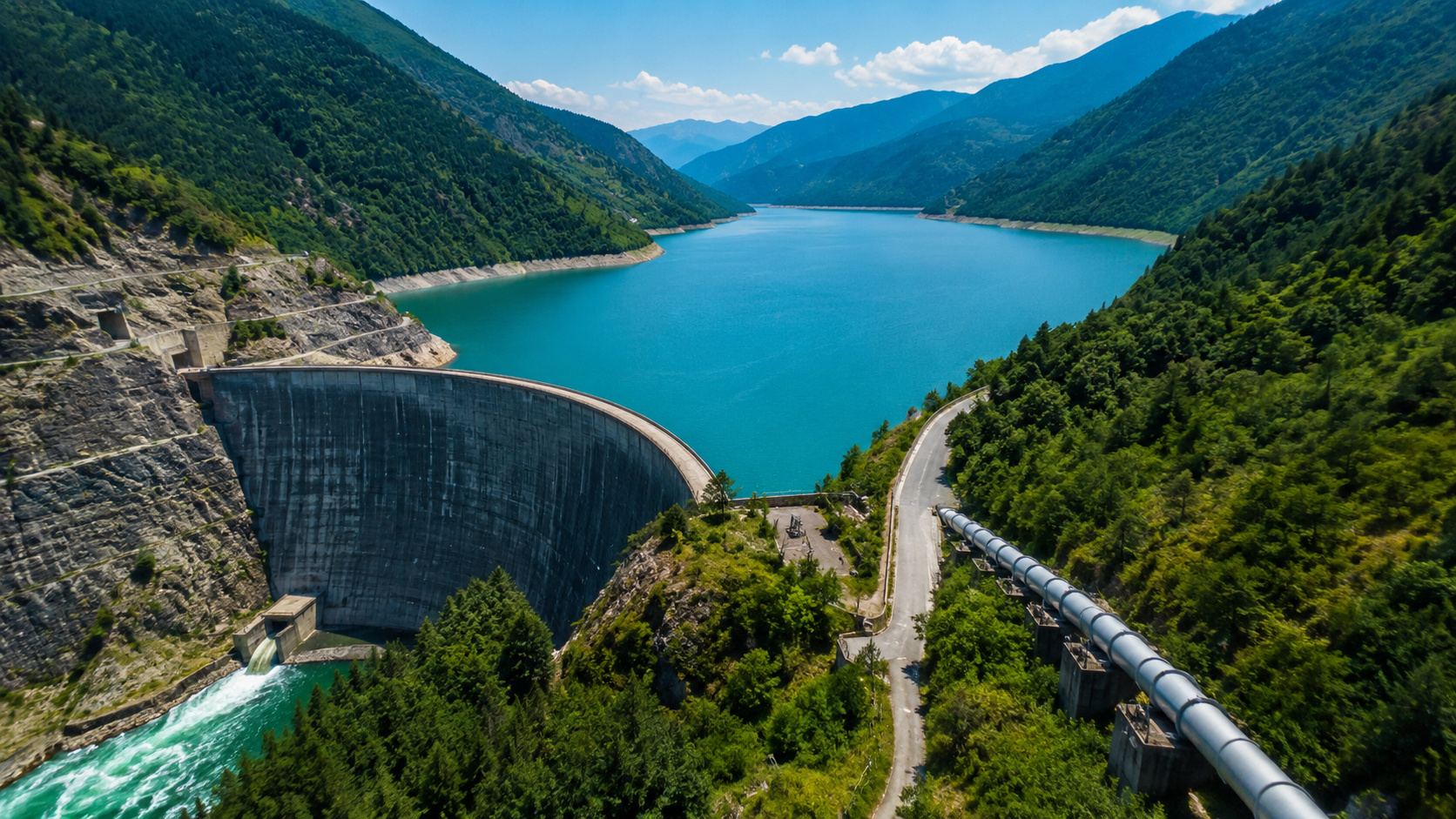
While many hydroelectric plants are concentrated at a single point, in Georgia a 271-meter dam pushes water for 15 km to a plant in politically divided territory.

-
While gold mining usually leaves contamination and waste behind, in Suriname this residue is being tested in cement bricks for construction.
-
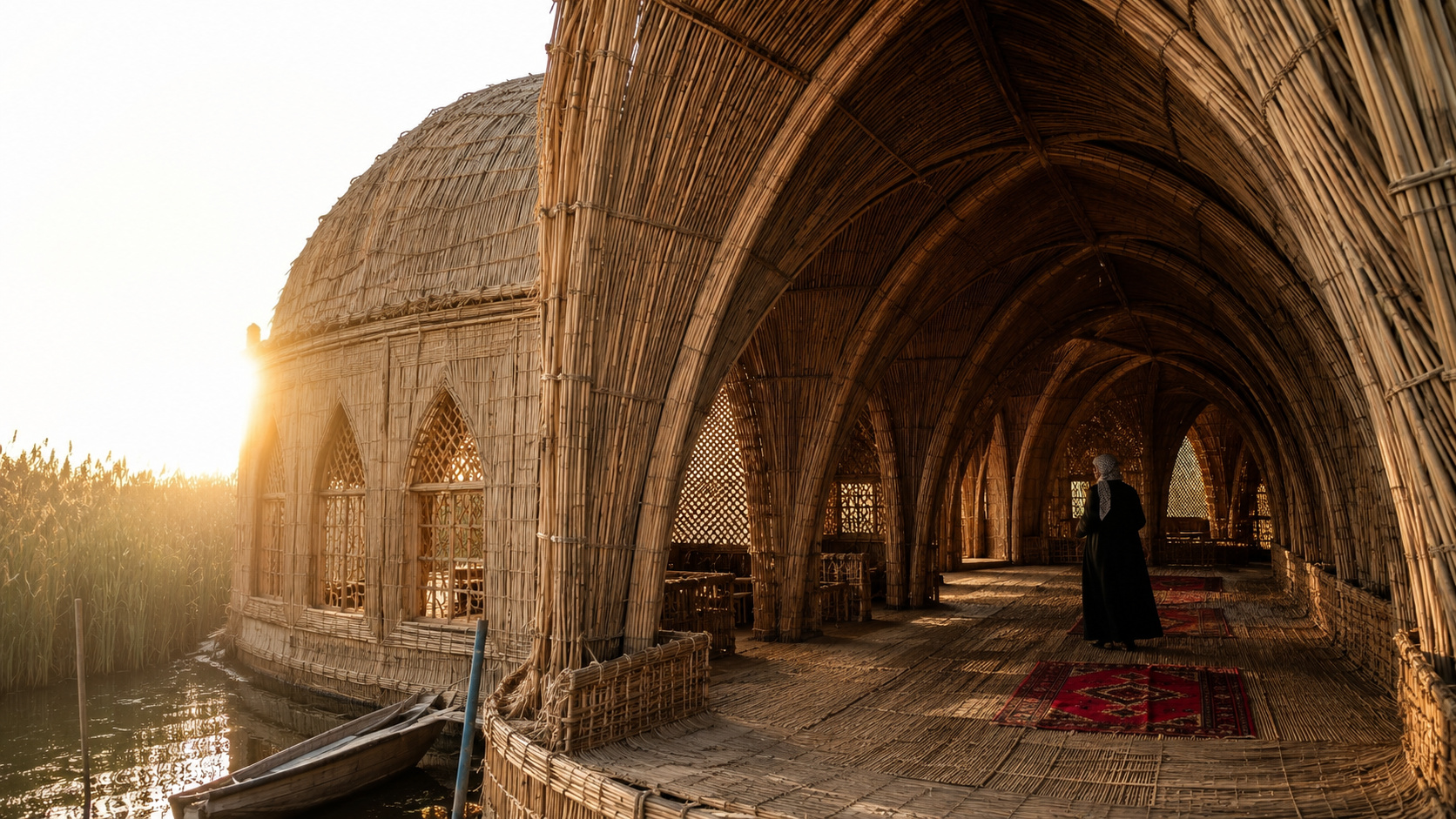
In southern Iraq, a structure made solely from marsh plants creates arched halls, dispensing with wood and steel, and showcases an ancient engineering that still challenges modern architecture.
-
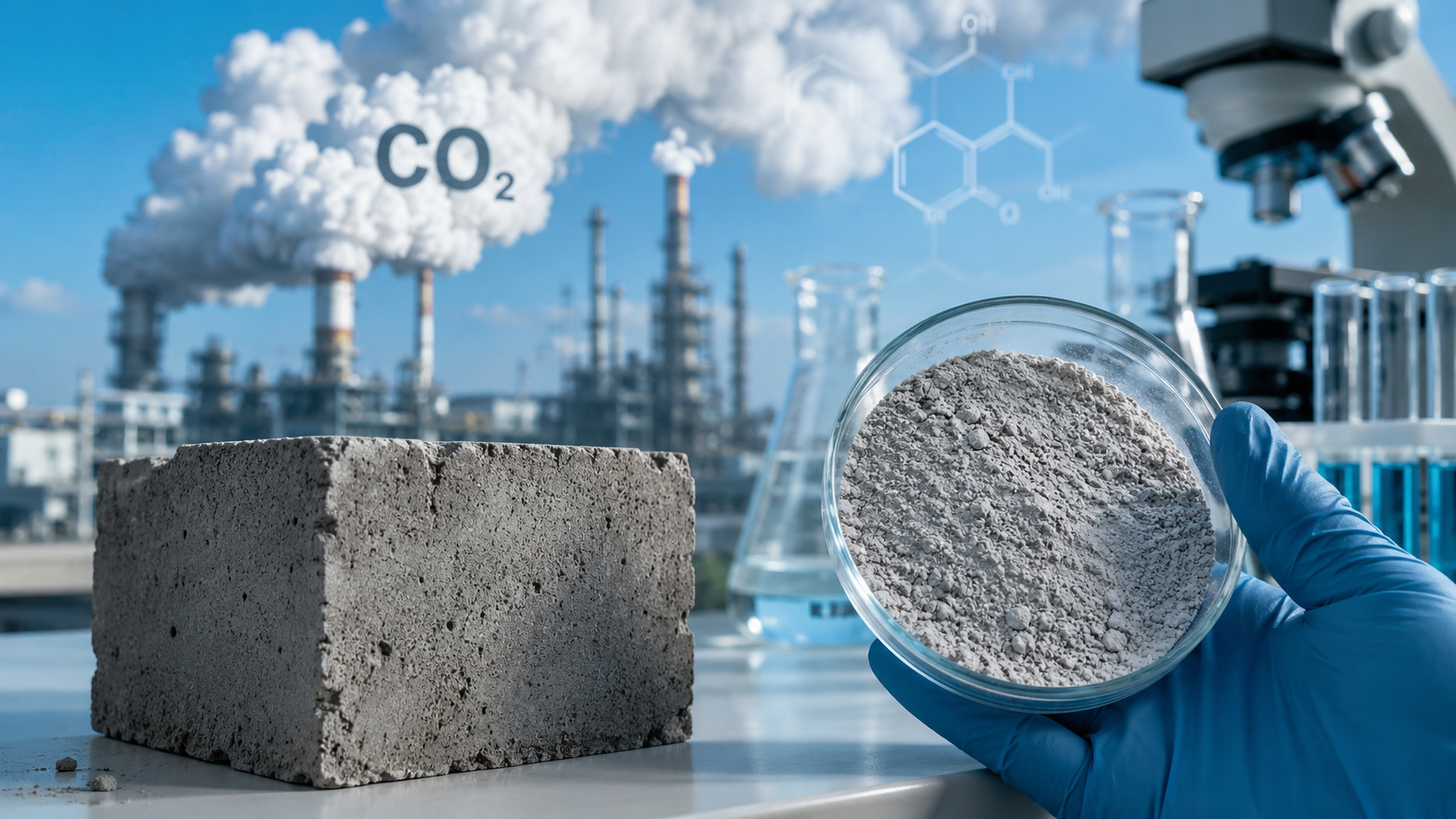
While traditional construction consumes enormous amounts of energy and cement, a new material created by scientists uses an enzyme to transform CO₂ into solid minerals, hardens in hours, and could revolutionize civil construction.

Centaurus Metals plans to complete the definitive feasibility study for the Jaguar Project between October and December 2023. A final investment decision is expected to be made between July and September 2024, with production starting in 2027. This is excellent news for the mining industry and the local economy, as the Jaguar project will significantly contribute to the advancement of the mining industry in Brazil.
The Jaguar Project Will Be an Example of Brazil’s Strategic Minerals Policy, Part of the Country’s Investment Partnerships Program.
This policy was created to support companies developing mining projects in Brazil, with a strong focus on environmental sustainability. The Jaguar Project meets these criteria and aims to be a pioneering enterprise in the mining sector in Brazil, contributing to the advancement of the industry, socioeconomics, and sustainable development.
Additionally, the Jaguar Project is currently a carbon sink, preventing about 12,000 t/year of scope 2 greenhouse gas (GHG) emissions, and is expected to have low GHG levels once it begins operations. Centaurus Metals emphasizes that the relatively high ore grade and the high level of renewable energy in Brazil – currently above 80% – will contribute to the expected low GHG emissions.
The goal of Centaurus Metals is for the Jaguar project to be a success in every aspect, bringing benefits to the mining sector and the local economy. The project contains one of the largest nickel sulfide resources of a company listed on the ASX and is a more than welcome example of how the industry is becoming more sustainable and aware of its responsibility to the environment.







Be the first to react!