






 Portuguese
  Spanish


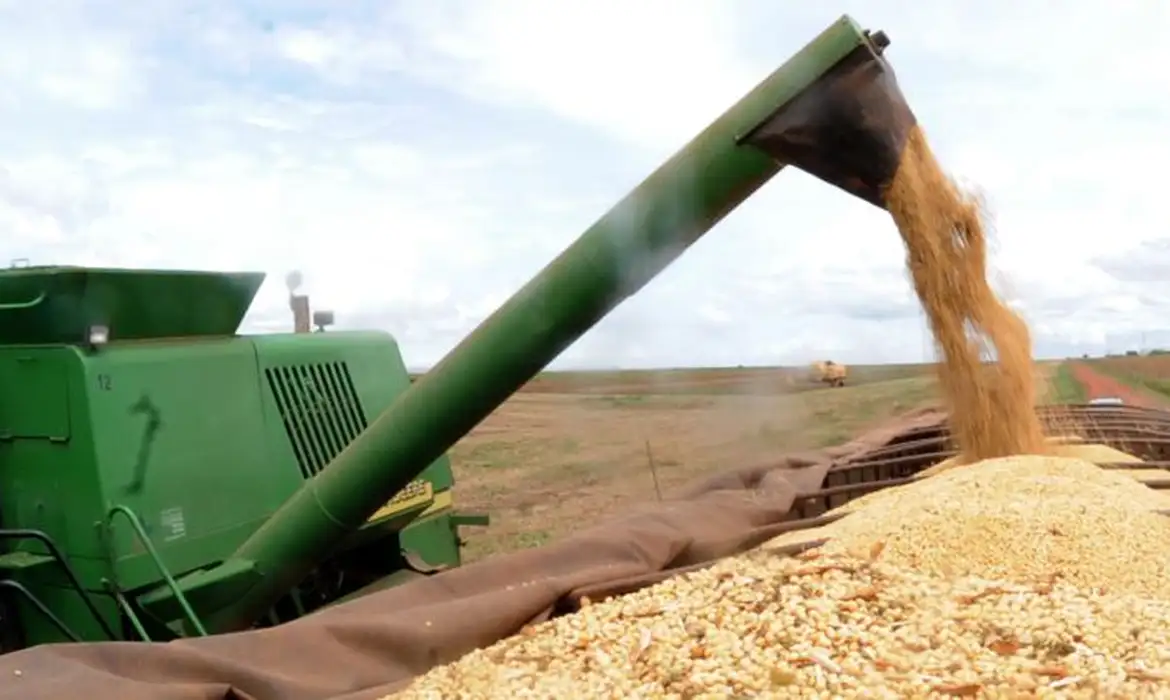

The Agricultural Sector’s GDP in Bahia Grew 13.1%, Reaching R$ 35.1 Billion. See How This Expansion Is Strengthening the State’s Economy and Which Sectors Driven These Impressive Numbers!
The agricultural sector in Bahia recorded an impressive performance in the second quarter of 2024, with a growth of 13.1% compared to the same period last year. According to data released by the Secretary of Agriculture, Livestock, Irrigation, Fishing, and Aquaculture, the Gross Domestic Product (GDP) of the sector reached R$ 35.1 billion in current values, representing 28.4% of Bahia’s economic activity.
This result highlights the relevance of the agricultural sector as one of the main drivers of the state’s economy.
One of the highlights during this period was Aggregate II, which encompasses agriculture and livestock, responsible for 59.6% of the total agricultural activity in Bahia.
-
After Two Years of Water Scarcity, Brazilian Farmer Finds Well on Her Land, Boosting Mango and Passion Fruit Production in Central Brazil

-
Cashew Becomes Billion-Dollar ‘Superfood’ in Ivory Coast: 1.6 Million Hectares of Monoculture Encroach on Forests as Families Trade Food for Nuts

-
In Rural Brazil, José Sirval Operates a Water-Powered Mill Grinding 125 Kilograms of Corn Daily Using His Great-Grandfather’s Century-Old Monjolo
-
From Market Stall to Agribusiness: Patagonian Fruit Grower Owns 550 Hectares and Processes 18 Million Kilos of Pears and Apples Annually, Exporting Directly to Brazil


The harvest of major crops, such as soybeans, corn, and cotton, was fundamental to this growth. Historically, the second quarter is the most intense phase of agricultural production in the state, reinforcing the impact of this seasonality on the performance of the sector.
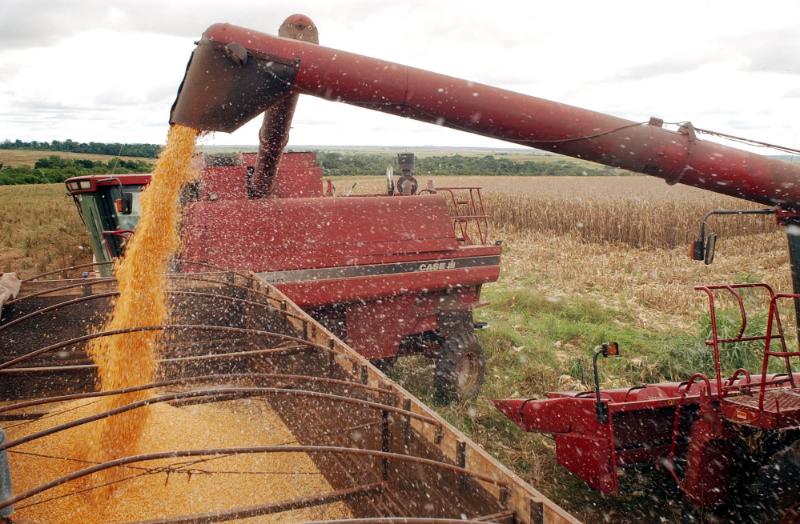
The Superintendence of Economic and Social Studies of Bahia (SEI) classifies the GDP of the agricultural sector into four aggregates. Aggregate I includes inputs for agriculture, such as fertilizers and pesticides. Aggregate II includes direct production, such as agriculture, livestock, forestry, plant extractivism, and fishing.
Aggregate III refers to industries that use products from Aggregate II, and Aggregate IV encompasses transportation activities, commerce, and services related to the distribution of agricultural products.
Excellent Numbers
For the first half of 2024, the sector generated R$ 51.96 billion, representing 21.69% of Bahia’s GDP. Compared to the same period in 2023, the growth was 5.2%, highlighting the agricultural sector as a central pillar for the state’s economy.
This evolution not only reinforces the importance of the sector for Bahia but also shows its role as an engine of economic growth.
The strong presence of the agricultural sector in Bahia’s GDP in the second quarter is directly related to the seasonality of agricultural production and the appreciation of products such as coffee, oranges, and other fruits.
These factors contributed to the increase in the share of the agricultural sector in Bahia’s economy, which rose from 13.7% in the first quarter to 28.4% in the second. This expansion trajectory signals a promising future for the sector, consolidating its strategic importance for the state.
With these numbers, Bahia’s agricultural sector establishes itself as one of the main engines of economic growth, attracting investments and further strengthening its position in the state and national landscape.


