






 Portuguese
  Spanish
  2 min of reading
  0 comments


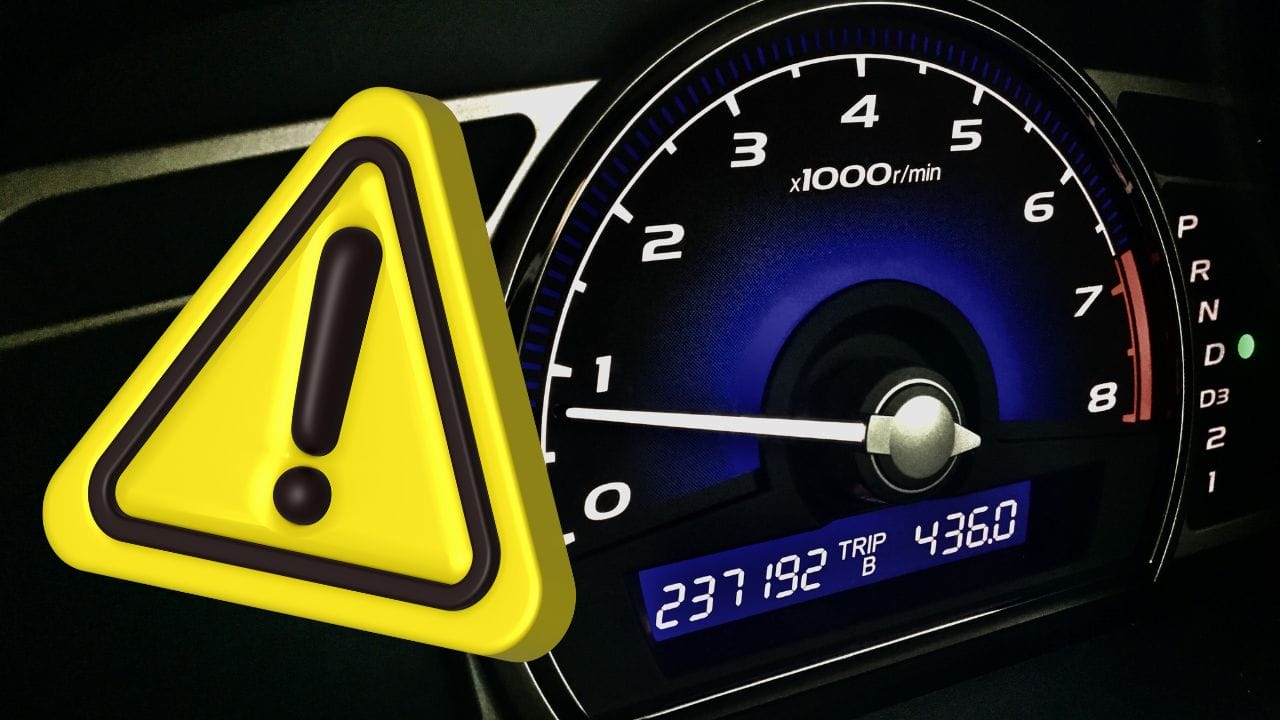
The Tampering of Odometers Is a Serious Problem in the Used Car Market, Impacting Not Only Brazil but Also Other Countries.
In the current economic scenario, the Brazilian automotive market is facing an impressive increase in car prices. Since 2018, the average price of new cars has risen by 90%, jumping from R$74 thousand to R$141 thousand, according to the country’s leading news outlets. This rise, driven by the pandemic and the scarcity of components, has led many consumers to opt for used vehicles, generating a 32% growth in sales in March 2023 compared to the previous year. However, this boom has brought to light an old but still effective scam: tampering with vehicle odometers, a scheme that deceives buyers and unfairly inflates car values.
About 30% of used vehicles for sale in Brazil have their odometer tampered, meaning that 3 out of 10 cars show a lower mileage count than the actual one. With tools and apps readily available online, even modern digital odometers are subject to this fraud. As a result, cars are sold for a price above market value, based on the Fipe table, generating a billion-dollar loss for consumers.
Global Impact of the Scam
This is not a problem exclusive to Brazil. In the United States, over 450,000 vehicles are sold annually with tampered odometers, resulting in a loss of about US$1 billion per year. Even small variations in mileage can significantly affect the value of a vehicle. FedEx, for example, has been accused of selling vehicles with modified odometers, a case still under litigation that could become the largest odometer tampering scheme in the U.S.
-
Drivers with licenses nearing expiration received an unexpected reprieve on the calendar, but the Contran extension only applies to those within specific dates.

-
Fiat’s forgotten family SUV offers 7 seats, a 2.4 engine with 172 hp, automatic transmission, trunk space of up to 580 liters, and the presence of a large utility vehicle for a price below many new compacts: meet the Fiat Freemont Precision 2015.

-
German sedan with rear-wheel drive flaunts a 1.6 turbo engine with 156 hp, automatic transmission, 480-liter trunk, premium status, and executive cabin in the range of fully equipped compact zero km: meet the Mercedes-Benz C180 Avantgarde 2015.
-
Suzuki launches “hybrid family van” with 8 seats, sliding rear door, Toyota Noah-like design, 1.8 electrified engine, and a price equivalent to about R$ 124,000 without taxes, below 7-seater SUVs sold in Brazil: meet the Landy in Japan.



How to Identify and Avoid the Scam


To escape this scam, it is vital that buyers pay attention to signs of wear that are inconsistent with the presented mileage. For example, a car with low mileage but signs of wear on the seats, steering wheel, or pedals may indicate fraud. And of course, checking the Fipe table and conducting detailed mechanical inspections can help identify irregularities. In cases of suspicion, it is recommended that the buyer conducts a new inspection by a reliable company.
Consumers must remain vigilant and conduct thorough checks to avoid falling for this scheme. The Fipe table can be a useful reference point, but attention to details and consulting trusted professionals are essential for a safe purchase. It is crucial to be aware of this scam when looking for used cars, ensuring a fair and transparent transaction.







Be the first to react!