






 Portuguese
  Spanish
  4 min of reading
  1 comment


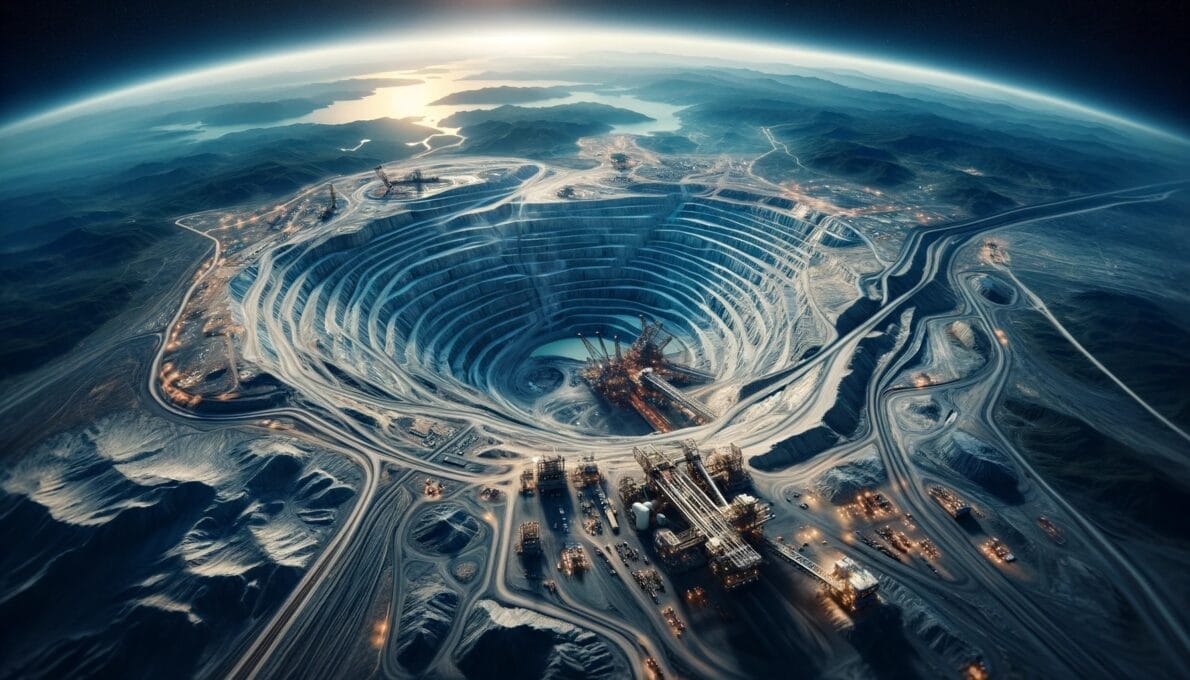


With The Purest Silicon In The World, The Largest Silicon Reserve In Goiás Is A Unique Historical Find.
Brazil is among the top 3 producers of minerals in the world, and is also known for its large reserves of important metals. In 2017, the country produced over 400 million tons of iron ore. Speaking of important metals, Brazil currently has the largest silicon reserve in the world, located in the city of Cristalina, in Goiás. A true natural wonder, silicon is considered a semimetal due to its metal and non-metal properties.
Present in most electronics we know, having the largest silicon reserve in the world places our country in a strategic position in the global technology market. The largest silicon reserve in Goiás has the purest silicon in the world, making it the most sought-after worldwide.
The History Of The Largest Silicon Reserve In The World In Brazil
Located 274.8 km from Goiânia, the largest silicon reserve in the world is within the city of Cristalina, known as the World Capital of Crystal. It has a large crystal deposit that extends over more than 40 km, with depths of up to 100 meters.
-
With 100 discarded pallets and simple tools, the project creates a 23 m² shelter, recycles wood used in the transport of humanitarian aid, and transforms temporary housing for refugees.

-
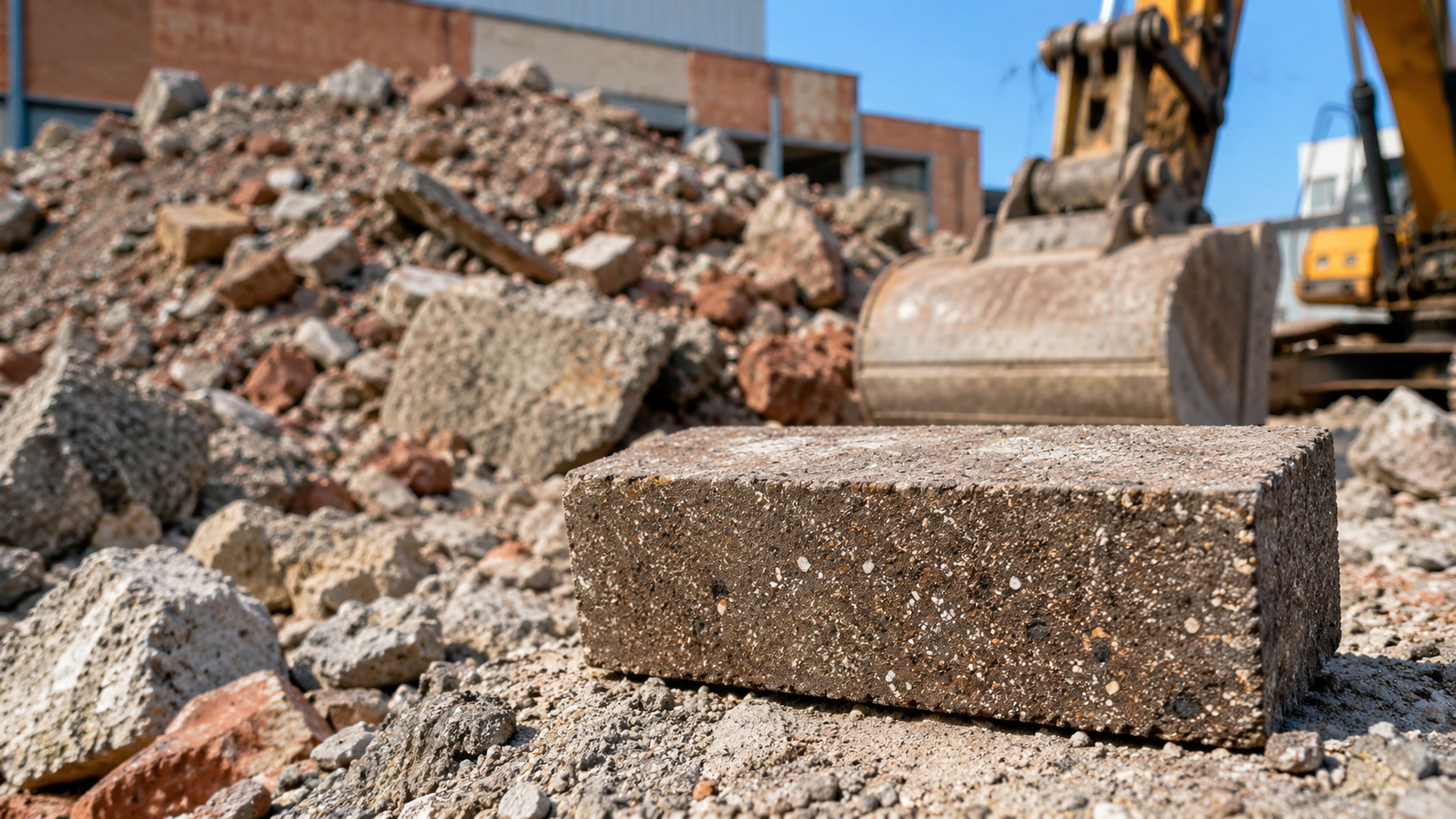
Scotland creates a brick made with over 95% recycled debris, eliminates kiln firing, and attempts to reinvent a piece used in construction for almost a thousand years.
-
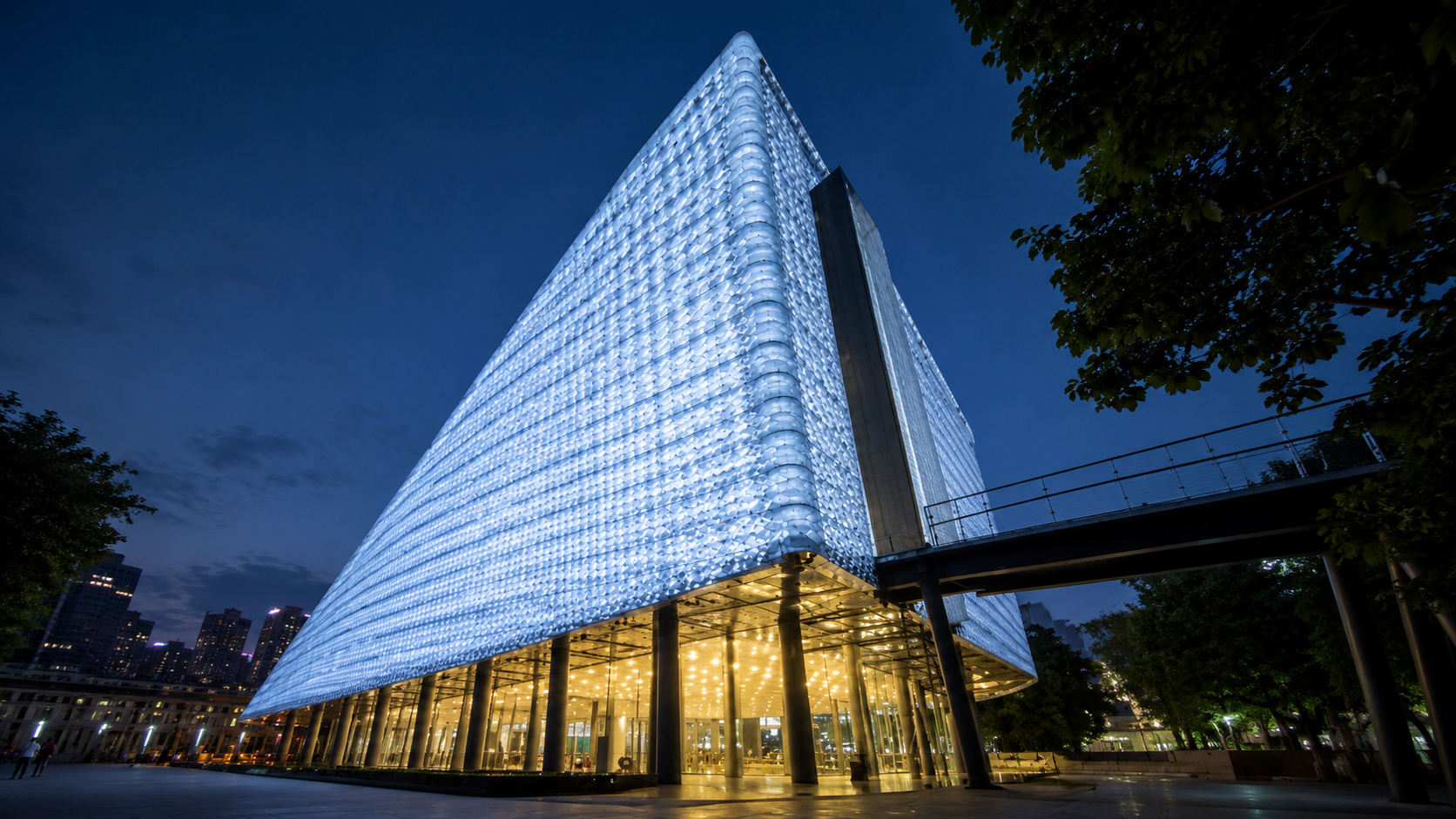
In Taipei, 1.5 million recycled plastic bottles were saved from becoming waste, turned into building blocks, and formed a nine-story pavilion for an international exhibition.
-
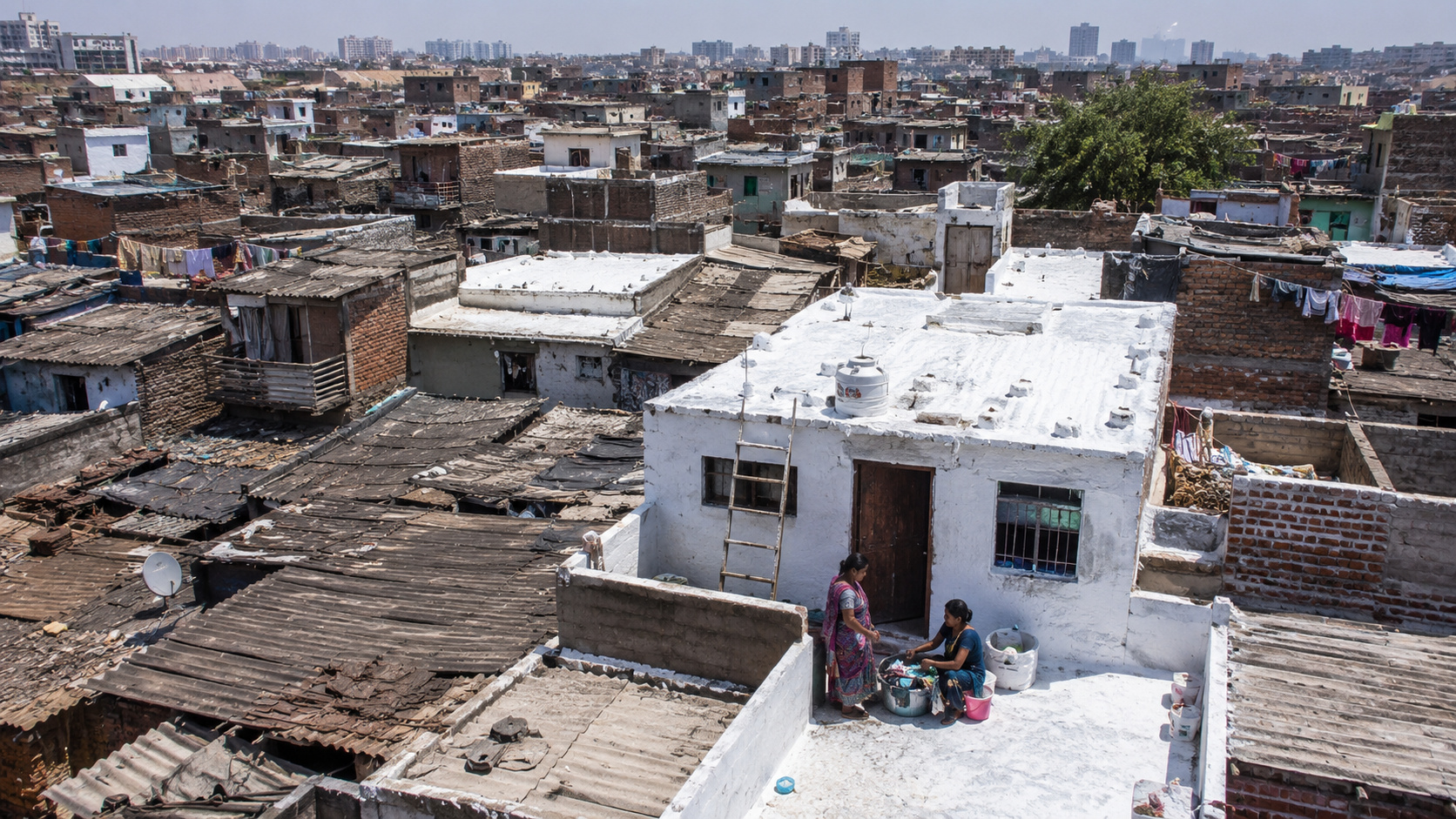
Slums in India painted roofs white to cope with 46°C heat, cool down stuffy homes, improve sleep, reduce energy consumption, and even ease the burden on refrigerators.

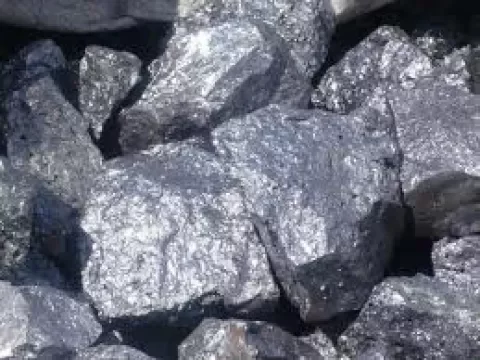

Visible even from space, the largest silicon reserve in Goiás has a fascinating history, beginning in 1920 when the first prospectors arrived in the Cristalina region in search of this natural wealth.
It was not until after the Second World War that silicon became extremely important, as it was discovered to be essential in the manufacturing of electronics, satellites, and even hospital instruments. From then on, the city of Cristalina established itself as the main supplier of silicon for the entire world.
All these stories are told by the tour guides who operate within the largest silicon reserve in the world, as the site is currently the main tourist attraction in the state of Goiás.
Silicon Production In Brazil
In numerical terms, global silicon production is estimated to be around 8 million tons annually, with Brazil accounting for about 10 to 15% of this production, as the country is one of the main producers of high-purity quartz. Thus, Brazil is estimated to produce 800,000 to 1,200,000 tons of silicon per year.
Although there is little precise data on silicon production in the country, the United States Geological Survey (USGS) gathered enough data to estimate the information mentioned above, based on the abundance of quartz in the Earth’s crust, which is the most common form of silicon found in nature.
Exploration Of The Natural Reserve Of The Purest Silicon In The World
Currently, the extraction of crystals in the largest silicon reserve in Goiás is being gradually deactivated, with the aim of prioritizing the preservation of the area and giving more space for tourism, transforming the area into a large natural park where tourists can visit, hike, learn about its history, and be enchanted by the beauty of the crystals that spring from the earth.
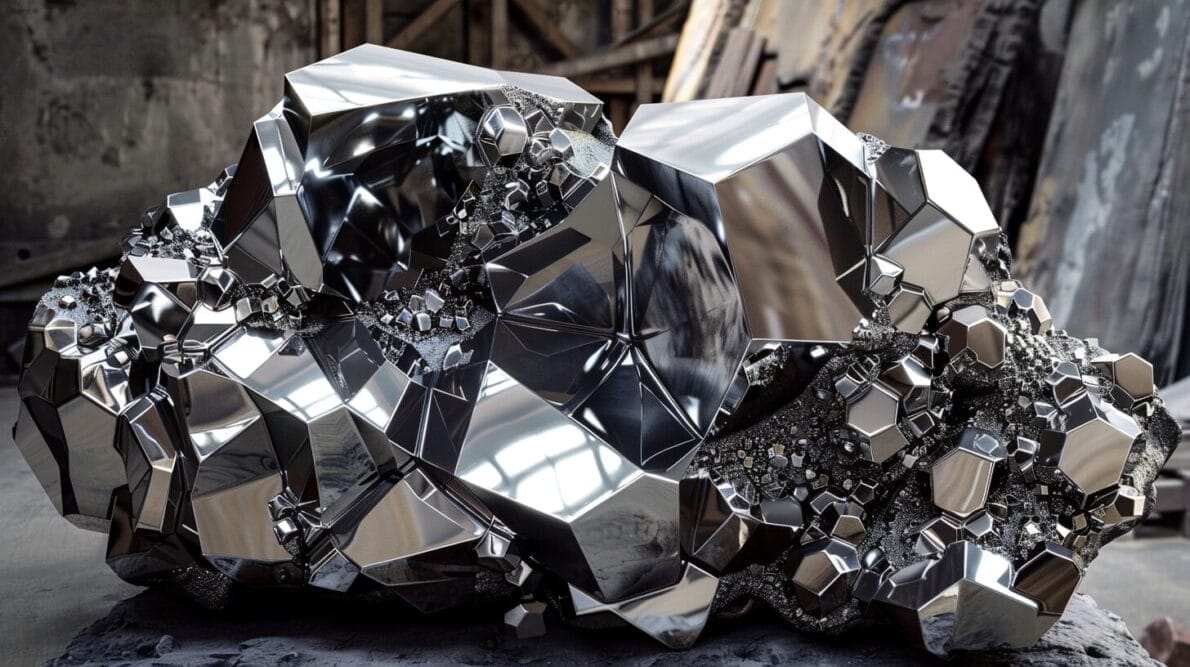
Upon entering the largest silicon reserve with the guidance of local guides, visitors are confronted with the impressive and imposing Pedra do Chapéu do Sol, an incredible megalith weighing 500 tons that is made of just 48 centimeters of stone.
The natural monument stands 14 meters tall and 7 meters wide, considered one of the largest archaeological finds in the world, formed millions of years ago.
Learn More About Cristalina
The city of Cristalina is situated on a Structural Dome (surface layer of a mass of rocks), primarily formed by quartzite (metamorphic rock of quartz and sand) cut by fissures (veins) of quartz.
These veins present a preferred direction of 30 to 35 degrees inclined to NE (Northeast=N/Northeast). In specific areas, pockets of veins form, as if it were a swarm in all directions.
In the quartz veins, geodes can open, also known as pockets, filled with Hyaline Crystals (vitreous). These fissures are filled with quartz with a high silica (SiO2) content, around 99.9%, and the most important is that the other contaminating components (0.01%) can occur even in PPM (Parts Per Million).
The largest silicon reserve in the world is located in Cristalina, Goiás, and is currently being transformed into a large natural tourism park as a means to preserve the purest silicon in the world.
With much beauty and history to tell, the largest silicon reserve in Goiás is a unique find in our country. It is worth remembering that silicon is an essential element in the production of electronics used in our daily lives, and thus, preserving it is more than necessary.






Qui coisa e toda essa glória não pertence a essa nação porque os políticos são verdadeiros imfratoures os pobre desse país são como cães despois dos militares apagaro amemoria desse povo a essa altura eles já não sabe o qui são