






 Portuguese
  Spanish
 3 min of reading


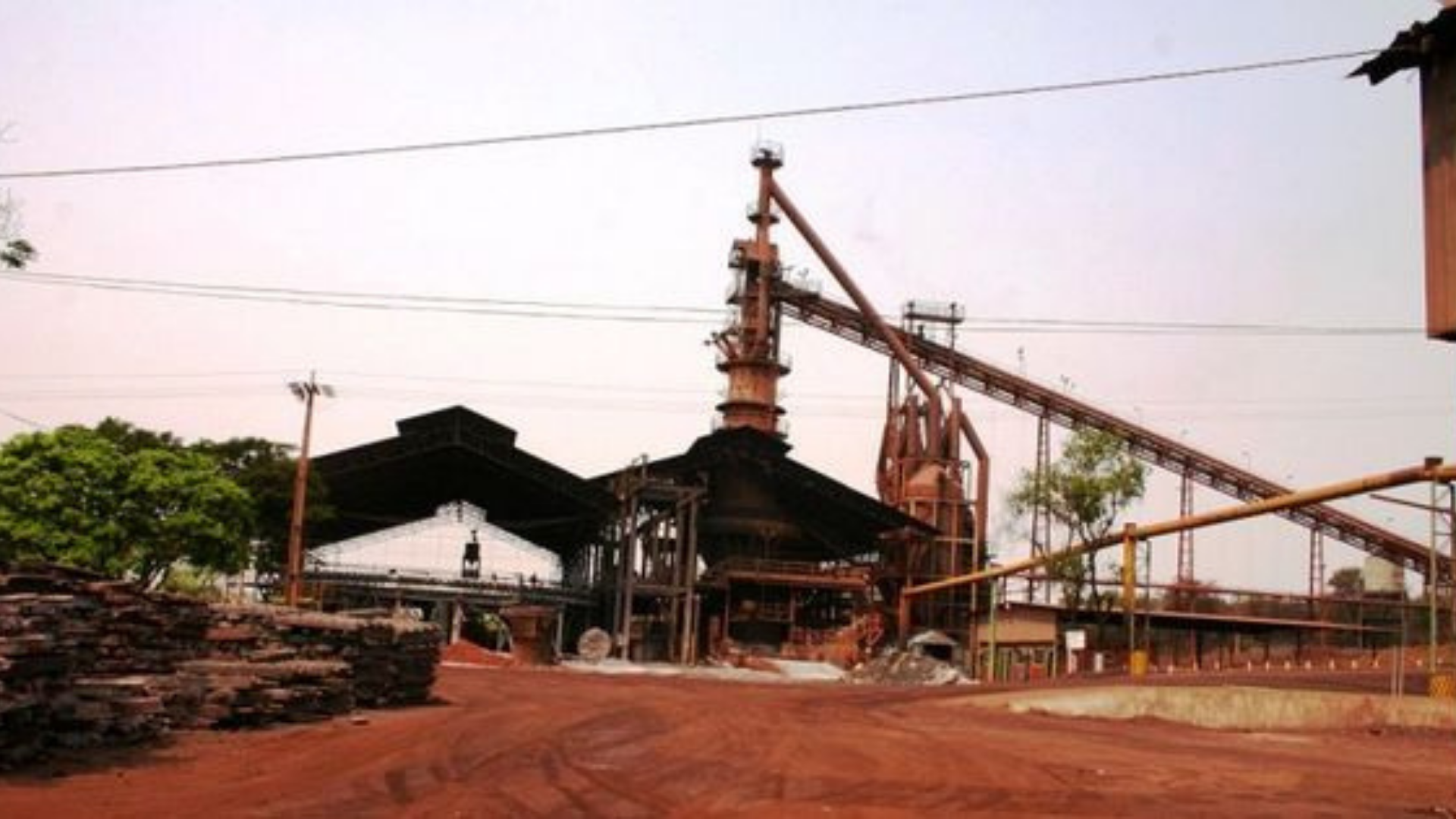
Vetorial Steel Mill Resumes Pig Iron Production in Ribas Do Rio Pardo, Mato Grosso Do Sul
Vetorial, a company operating in the mining, steel, and reforestation sectors, resumed pig iron production last Saturday (28th) at its unit located in Ribas Do Rio Pardo, Mato Grosso Do Sul. The steel mill invested around R$ 25 million, created approximately 120 jobs during the installation recovery months, and is now continuing to generate jobs and income in the region. Check out this news: One of the largest steel mills in the country, Ternium, hires mechanic, electrician, production operator, technician, and more for job vacancies in Rio de Janeiro
- Gerdau invests R$ 55 million to resume steel production in Paraná
- Aerospace engineer transforms a 2005 Chevrolet Celta into an electric vehicle
- Electric motors make planting more efficient than combustion engines
- Hyundai’s first hydrogen-powered car travels 900 km on a full tank and purifies the air while moving
- Senai, Senac, and Endex call for 1300 vacancies in free technical courses in electronics, mechanics, IT, industry, health, marketing, and workplace safety
The Resumption of Production at the Steel Mill Unit in Mato Grosso Do Sul
The blast furnace at the steel mill now in operation will produce 237,000 tons annually of pig iron, generating 194 new jobs and creating significant impacts in the production chain, particularly in forestry and carbonization. With activities halted since 2014 due to a sharp contraction in domestic and international markets for pig iron and the national economic instability, Vetorial Steel resumes operations with high-performance equipment that will ensure high productivity and strict environmental and safety controls for its employees.
The steel mill in Mato Grosso Do Sul has its own electricity generation, a pioneering condition, as it was the first steel plant to implement this technology in Brazil back in the 1990s. The mill also features a modern PCI plant (pulverized coal injection) that utilizes all coal fines generated in the production process. With modern filters, pollutant emissions in this new phase of operations have been significantly reduced, as has noise production.
-
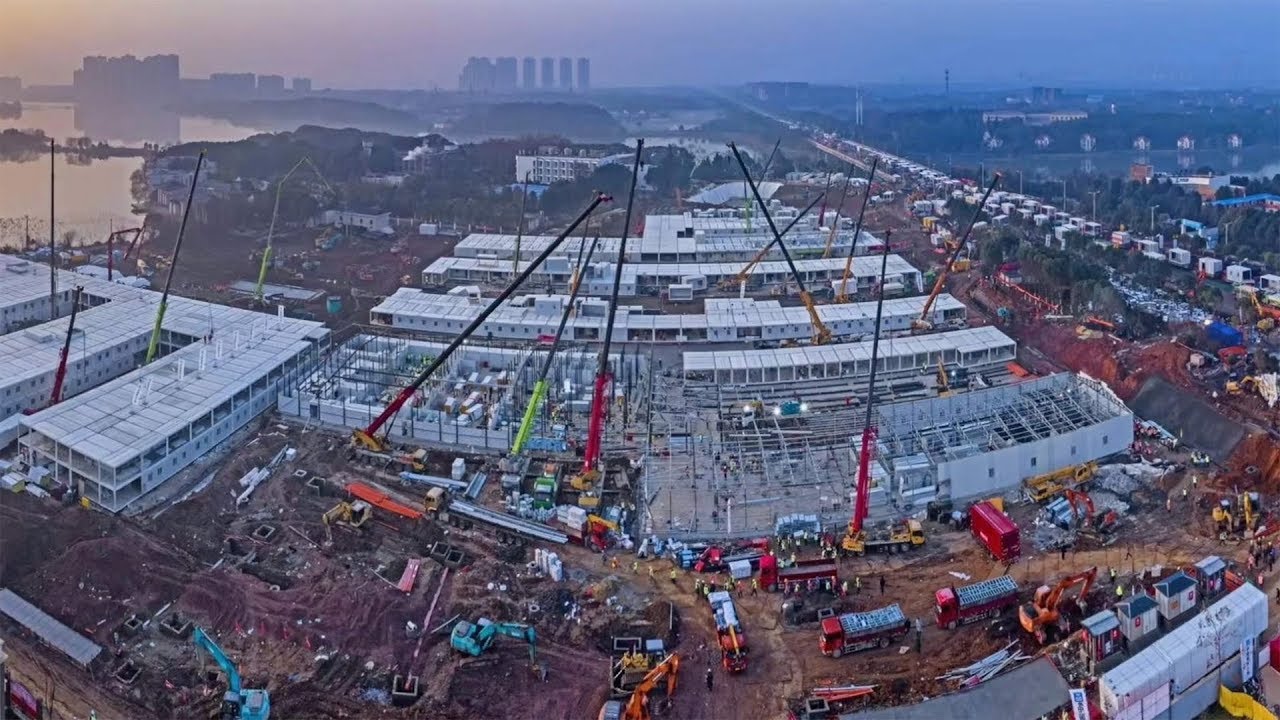
While in the rest of the world building a hospital takes years from design to inauguration, China erected the Huoshenshan Hospital from scratch in just 10 days, with 1,000 beds, foundation, structure, electrical installations, plumbing, and oxygen system ready to receive patients, mobilizing 7,000 workers.

-
Without mortar, grout, or traditional construction: the ClickBrick system assembles brick facades with ceramic pieces held by metal clips, eliminating the need for glue, speeding up installation, and even allowing everything to be dismantled later without turning the construction into expensive permanent debris.
-
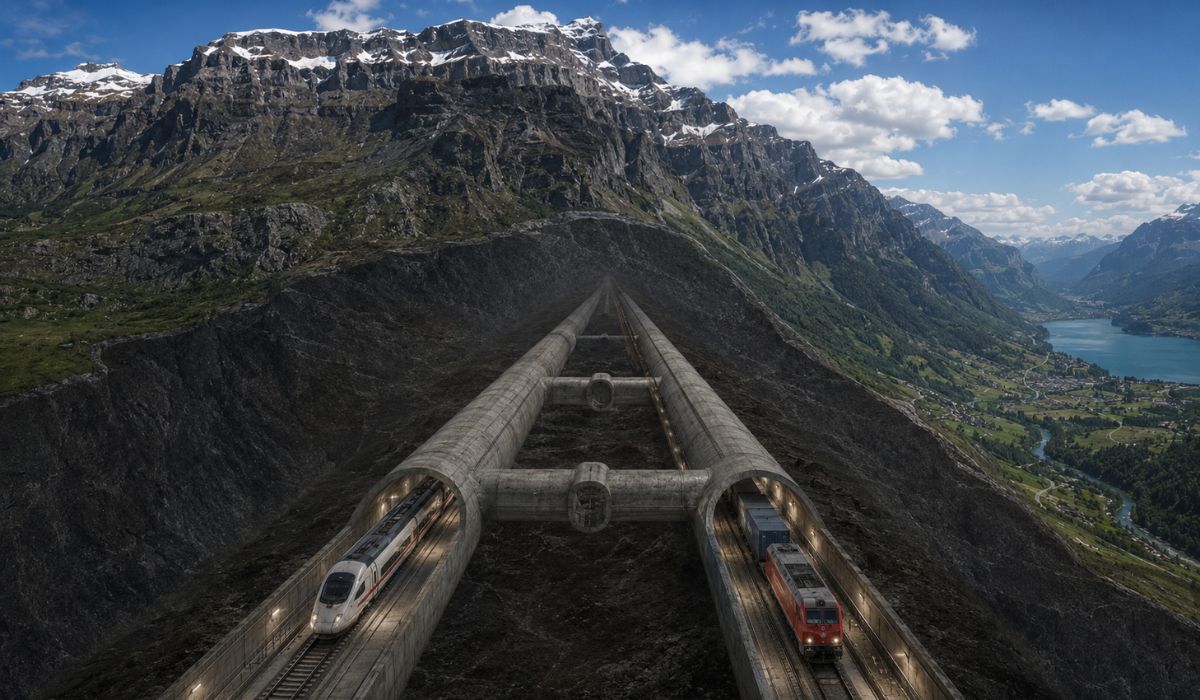
Switzerland took 17 years to tear through the Alps and build the world’s largest railway tunnel, a 57.1 km passage under 2,300 meters of rock, with 50 °C heat and 28.2 million tons excavated to connect the north to the south of Europe.

-
With 1,415 m², a frontal view of the sea, and surrounded by skyscrapers, the mansion worth R$ 140 million bought by Luciano Hang is the last standing residence on the waterfront of the ‘Brazilian Dubai’ in Balneário Camboriú.



The Reopening of the Unit
Last week, directors of the steel mill and professionals involved in the revitalization of the plant, along with the mayor of Ribas, João Alfredo Danieze, visited the facilities. Present were the chairman of the Vetorial Group Council, Gustavo Trindade Correa, the president of Vetorial Steel and Vetorial Mining, Luiz Nagata, Mário Sousa, operations director of Vetorial Steel, and Edimilson Jésus Ribeiro, plant superintendent, among other professionals.
Also, check this news: Multinational Steel Company Announces Investments of R$ 1.6 Billion and Generation of 750 Jobs in São Paulo
The Simec Group, a Mexican multinational steel company, announced a new expansion project for its plant in Pindamonhangaba, São Paulo. The steel mill reported it intends to double production and generate 750 new jobs at the unit. The Mexican group plans to invest US$ 300 million, equivalent to around R$ 1.6 billion, to double the production of rebar and wire rod.
According to the steel mill, the expected start of construction for the expansion project is this year, which would allow for the commencement of new production capacity in 2023. For the project, it is anticipated that 3,000 temporary jobs will be created, and once the expansion is complete, 750 direct jobs will be generated in São Paulo. The expansion of the steel mill in São Paulo will enable the doubling of the plant’s recycling capacity from 625,000 tons/year to 1.25 million tons/year, thereby doubling its entire rebar production in bar and coil and wire rod.





Be the first to react!