






 Portuguese
  Spanish


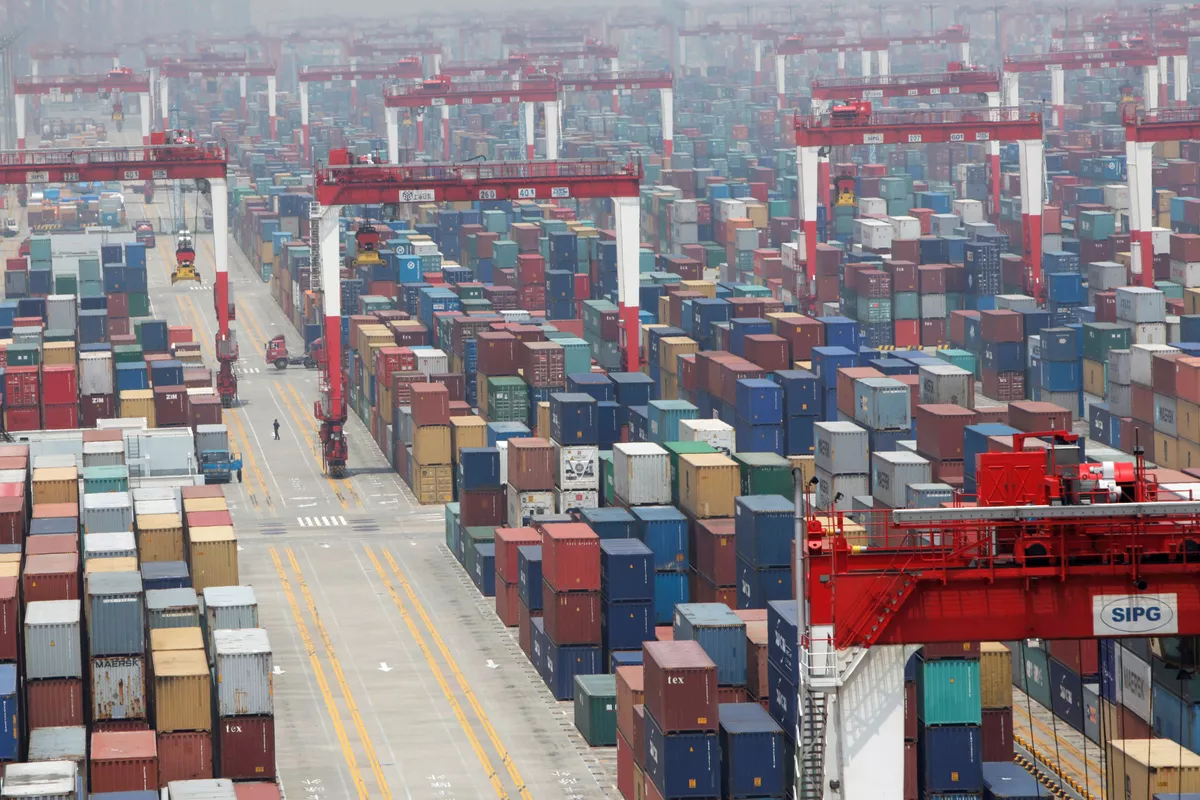

The Brazilian Rural Society (SRB) Manifested Publicly This Sunday (02/26) in Favor of the Revocation of the Bilateral Agreement for the Export of Brazilian Beef to China Signed on May 19, 2015.
The SRB reacted to the atypical case of Bovine Spongiform Encephalopathy (BSE) confirmed in Marabá, Pará, on February 22, urgently requesting the revocation of the bilateral agreement for export of beef and that the issue be debated in the Sectorial Chamber of the Beef Production Chain of the Ministry of Agriculture. The Mato Grosso Cattle Breeders Association (Acrimat) also requested a review of the protocol.
Brazil has been recognized by the World Organisation for Animal Health as having an “insignificant risk” for Bovine Spongiform Encephalopathy (BSE), thanks to its pasture-based livestock farming and prohibition of animal-origin feed for ruminants. This means that, in atypical cases, the degenerative disease poses no sanitary weight in the country, with no risks for the Brazilian herd or consumer health.
The Cattle Registration Service (SRB), recognized by the World Organisation for Animal Health, confirmed that Brazil has the status of “insignificant risk for Bovine Spongiform Encephalopathy” (BSE). This condition is tied to Brazilian legislation and the fact that the herd is pasture-based and there is no use of animal-origin feed for ruminants.
-
How Recycling is Becoming a Billion-Dollar Industry and Boosting the Circular Economy in Brazil

-
Brazilian Nurse Invents Award-Winning Chocolate with Homemade Machine, Expands to National Markets

-
Brazilian Ranchers Use Satellites to Optimize Pasture Management and Prevent Feed Loss in Cattle Farms

-
Russia Follows China in Recognizing Brazil as Free from Foot-and-Mouth Disease Without Vaccination, Boosting Meat Exports and Agribusiness Potential


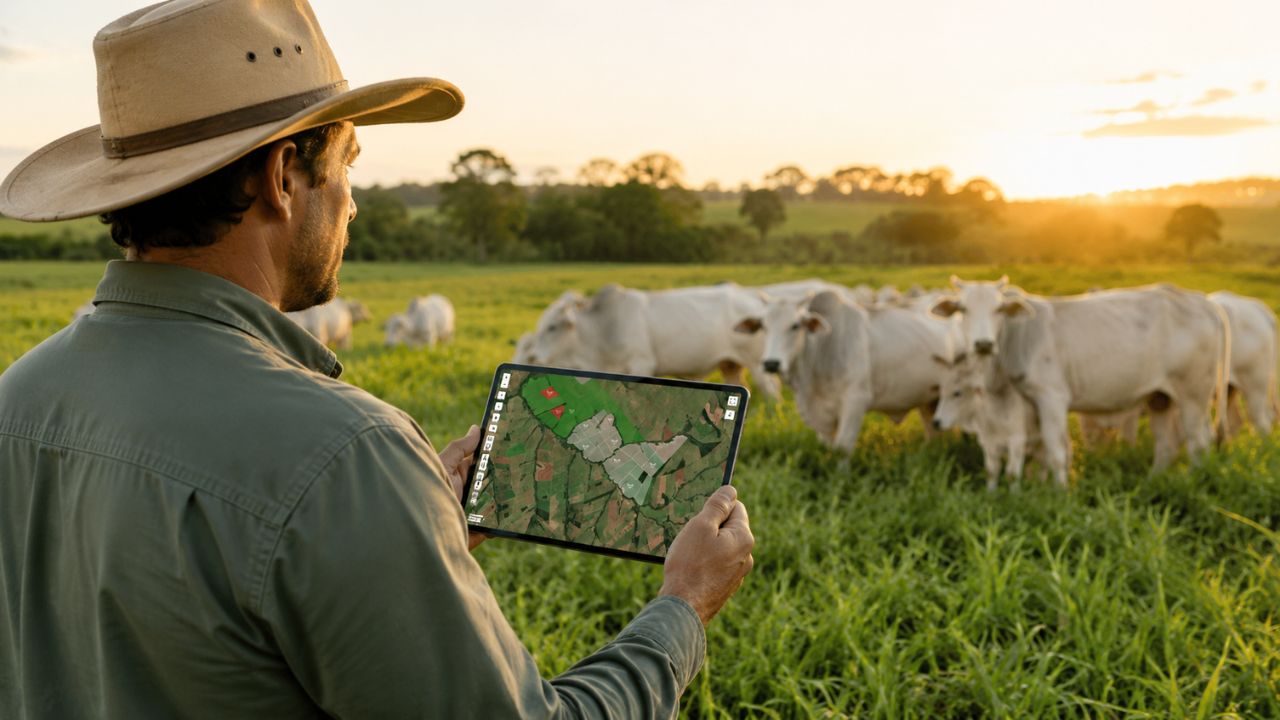
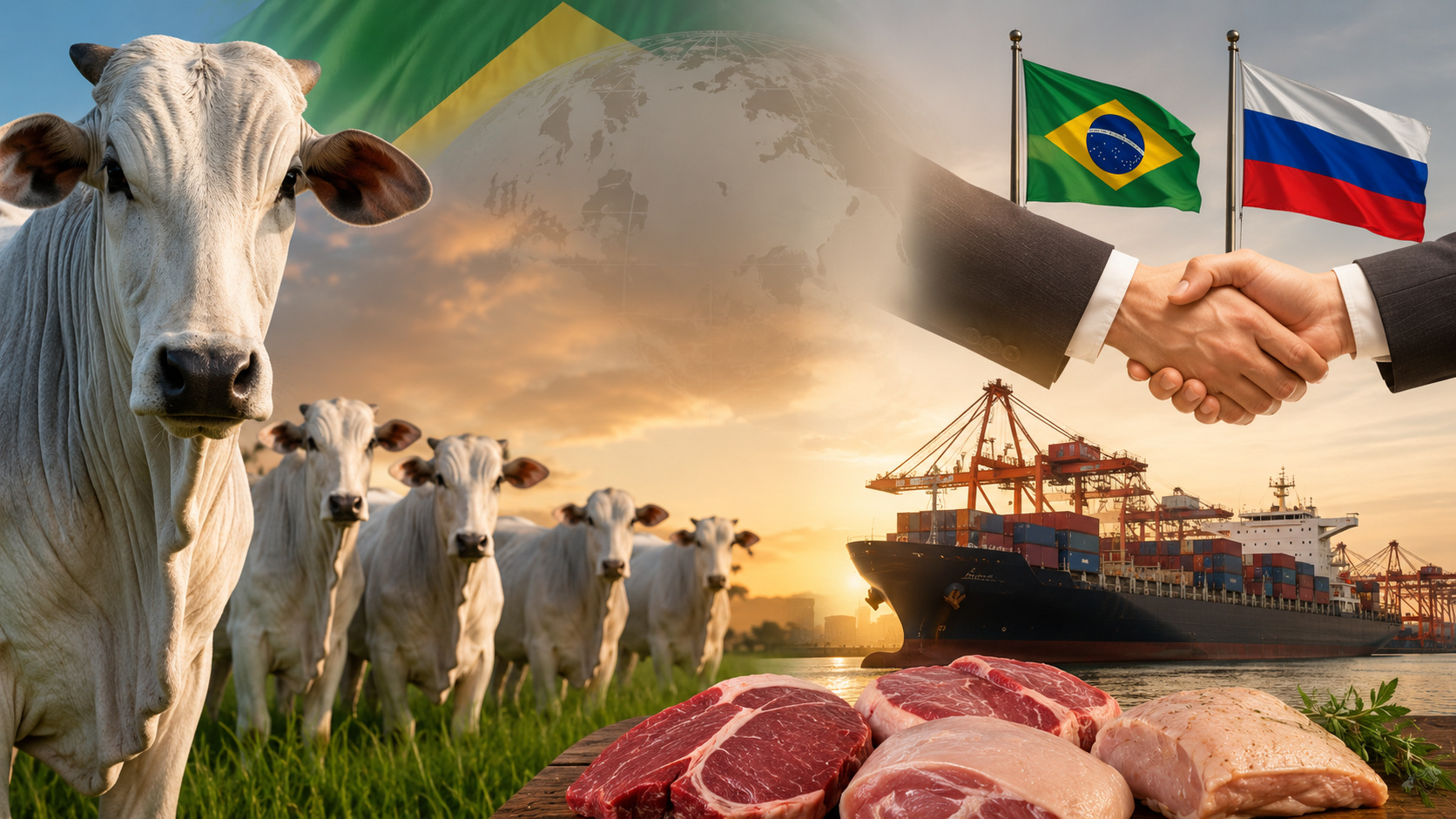
However, as atypical cases of the disease do not pose risks to the Brazilian herd or consumers, the SRB board emphasizes the need to modernize this commercial protocol, establishing a simplified process for atypical cases and avoiding unnecessary embargoes and losses for both countries.
Assocon Requests Reformulation of Sanitary Agreement Between Brazil and China for Beef Export
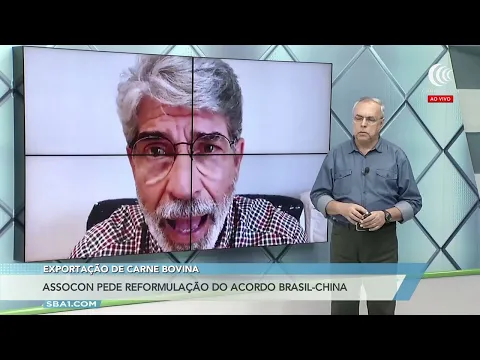

The entity reiterates that it respects the established protocols and applauds the Animal Defense work in Brazil, but believes that the economic and image consequences for Brazil are infinitely greater than the proportion and importance given to the issue.
The SRB places its board available for discussion, as well as to contribute to the development of a new bilateral agreement that is more suited to the current demands of the productive sector and international trade.
The Brazilian Rural Society Elected Sérgio Bortolozzo as Its New President. The Rural Producer from Araraquara (SP), Son of Other Producers from the Region, Was Vice President During the Term of President Teresa Vendramini. The Announcement Was Made This Week and Had the Presence of Important Figures from the Brazilian Agricultural Sector.
The Brazilian Rural Society (SRB) elected, last Thursday (09), Sérgio Bortolozzo as its new president for the 2023-2025 term. Sérgio Bortolozzo is a rural producer and son of farmers from Araraquara, in the interior of São Paulo. He was vice president during President Teresa Vendramini’s term.
Initially, Sérgio is known for his work in various representative entities in agribusiness in recent years. Among them, the Abramilho, where he served for 6 years; the Maizall (Maize International Alliance), which brings together corn producers from the United States, Brazil, and Argentina; in addition to presiding over the Sectorial Chamber of Corn and Sorghum linked to the Ministry of Agriculture (Mapa).
Sérgio Bortolozzo also received an official invitation from the United Nations (UN) and joined the so-called Champions Network for the Food System Summit. During his term at the SRB, he intends to strongly engage with the federal government, with the states, and to highlight issues that ensure legal security, property rights, and free trade for rural producers.
Furthermore, it will be a priority to enable agendas and sustainability actions and commitment to low-carbon agriculture. Alongside him will be prominent names from Brazilian agribusiness such as Marcelo Schunn Diniz Junqueira, João Adrien, and Cesário Ramalho da Silva, who will serve as vice presidents.


