






 Portuguese
  Spanish


With The Most Advanced Biotechnology In The Americas, SuperBAC Inaugurated Its Factory In Paraná Capable Of Producing 50 Thousand Liters Of Bioinput Per Day
The factory of SuperBAC, a Brazilian company specialized in biotechnology, was inaugurated last Thursday (21) in Mandaguari, in the Northwest region of Paraná. The new factory in Paraná is the final phase of a project that began in 2015 and is part of the laboratories and entire R&D structure, where more than 60 researchers work. To become a reality, the biotechnology factory in Paraná received an investment of US$ 100 million.
Also Read
SuperBAC Factory Can Produce 50 Thousand Liters Of Bioinput Per Day
At the factory, a complex fermentation cycle of bacteria has been developed since before the inauguration, based on bioprospecting. At the end of each cycle, SuperBAC’s factory can produce solid and liquid compounds, with a production capacity of approximately 50 thousand liters of bioinput per day.
One of the unit’s greatest advantages is that it was designed to ensure production flexibility, allowing the simultaneous cultivation of three different microorganisms. According to Giuliano Pauli, the company’s innovation director, this flexibility is intended to meet a huge demand from industries and companies.
-
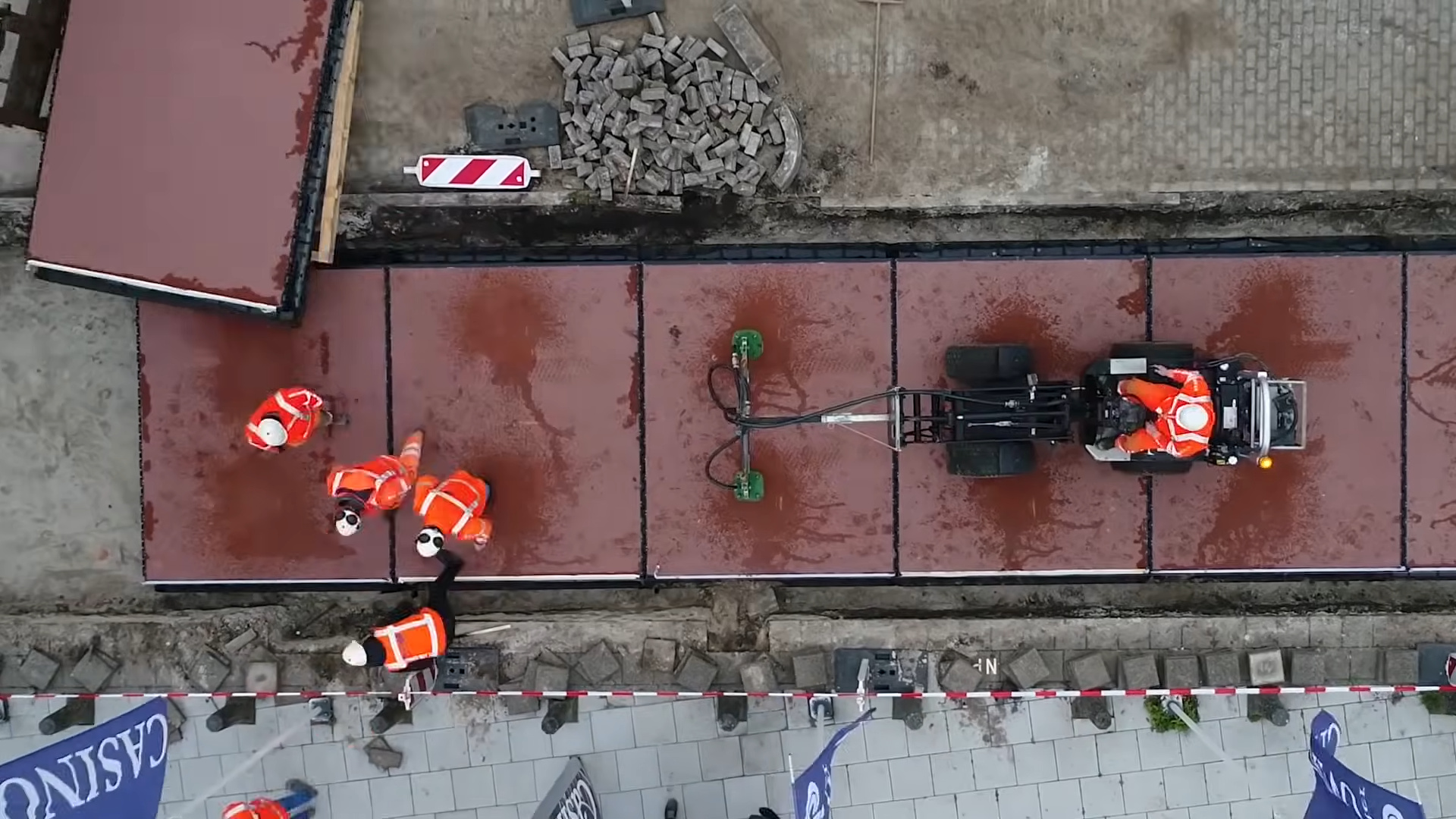
Netherlands Builds Road from 218,000 Recycled Plastic Cups and 500,000 Bottle Caps, Featuring Smart Sensors and Promising Triple the Lifespan of Traditional Asphalt

-
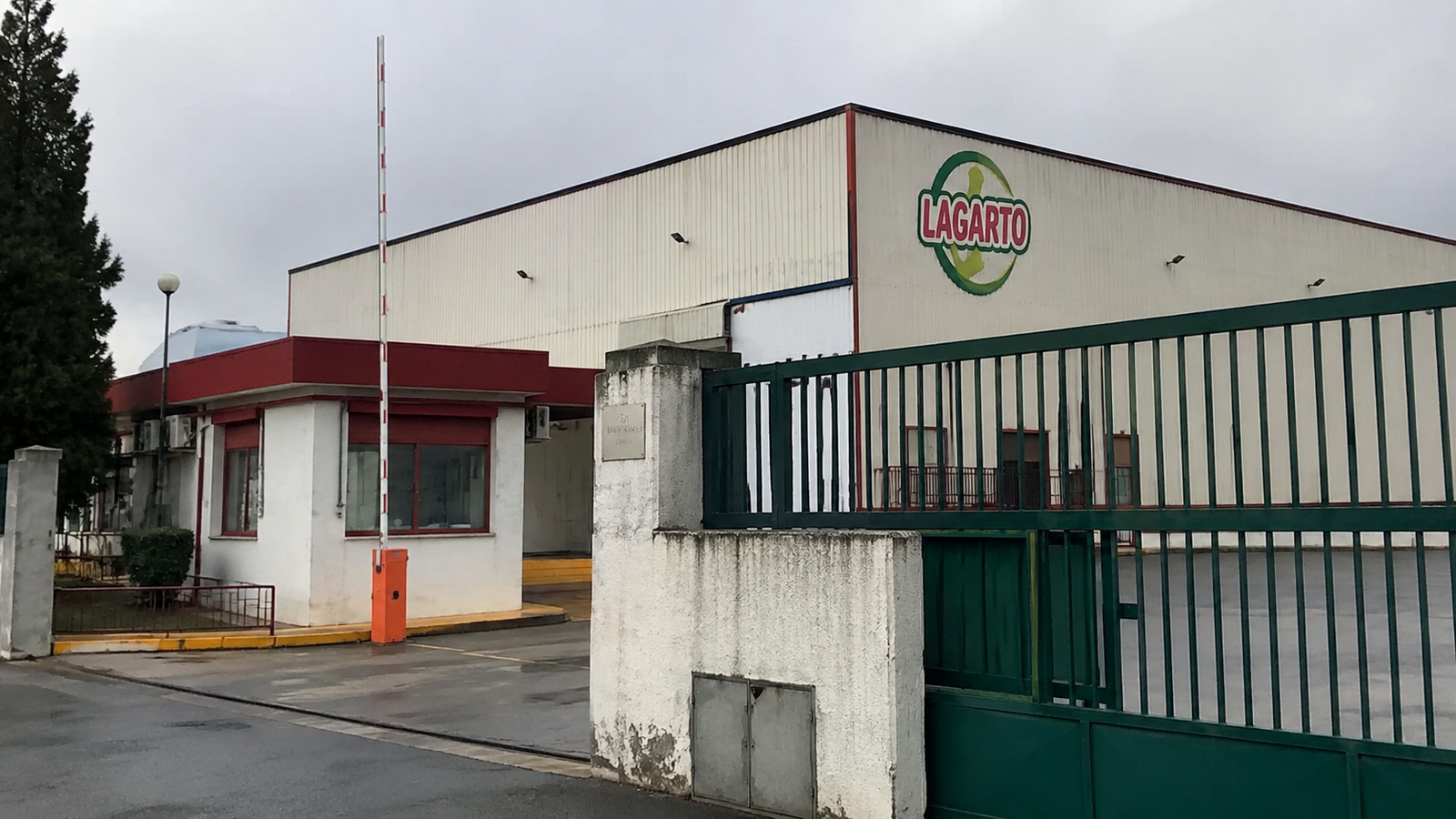
Historic Factory in Zaragoza Closes After Over 50 Years, Leaving Dozens Unemployed and Ending an Era in Spain’s Industrial History

-
Brazil to Convert 80 Public Properties into 11,000 Affordable Homes Across 44 Cities to Address Housing Shortage

-
Brazilian Company Develops Wall Panels from Recycled Refrigerator Foam with Comparable Thermal and Acoustic Performance



SuperBAC also aims to provide biotechnology services, scaling, and developing partner and client processes, even in producing assets in high-value markets such as creating probiotics, enzymes, biodefensives, metabolites, among others. The production at the factory in Paraná also extends to the cosmetics sector, animal and human food, export of microorganisms, and environmental solutions.
SuperBAC Factory Has 10 km Of Pipelines
According to Luiz Chacon Filho, the group’s president, this is a crucial moment for the company, as it no longer needs foreign biotechnology. The factory in Paraná is the most modern in the Americas, precisely to ensure growth over the next 10 years.
The factory features a thermal coating of 10 km of pipelines where products circulate in a closed system, which is automatically cleaned without the need for personnel to dismantle or clean at every production cycle.
According to Giuliano, SuperBAC’s factory is the most capable, according to an old partner in the U.S., who recognizes the potential created in Paraná. It is worth mentioning that the state governor was present at the factory inauguration, where he handed Chacon the license that allows the unit’s operations to start.
Meet SuperBAC
For about 20 years, SuperBAC has been creating and delivering high-performance biotechnology solutions for the agriculture, oil and gas, sanitation, and consumer goods sectors.
The company has Research and Development Centers in Brazil, Colombia, the United States, and Singapore, being one of the largest leaders in bioinnovation and a reference in the replacement of production processes in an economical and sustainable manner.
Pioneering in developing biotechnology solutions in the national market, the company also offers solutions with certified, naturally sourced, non-pathogenic, non-genetically modified, and non-opportunistic microorganisms.


