






 Portuguese
  Spanish


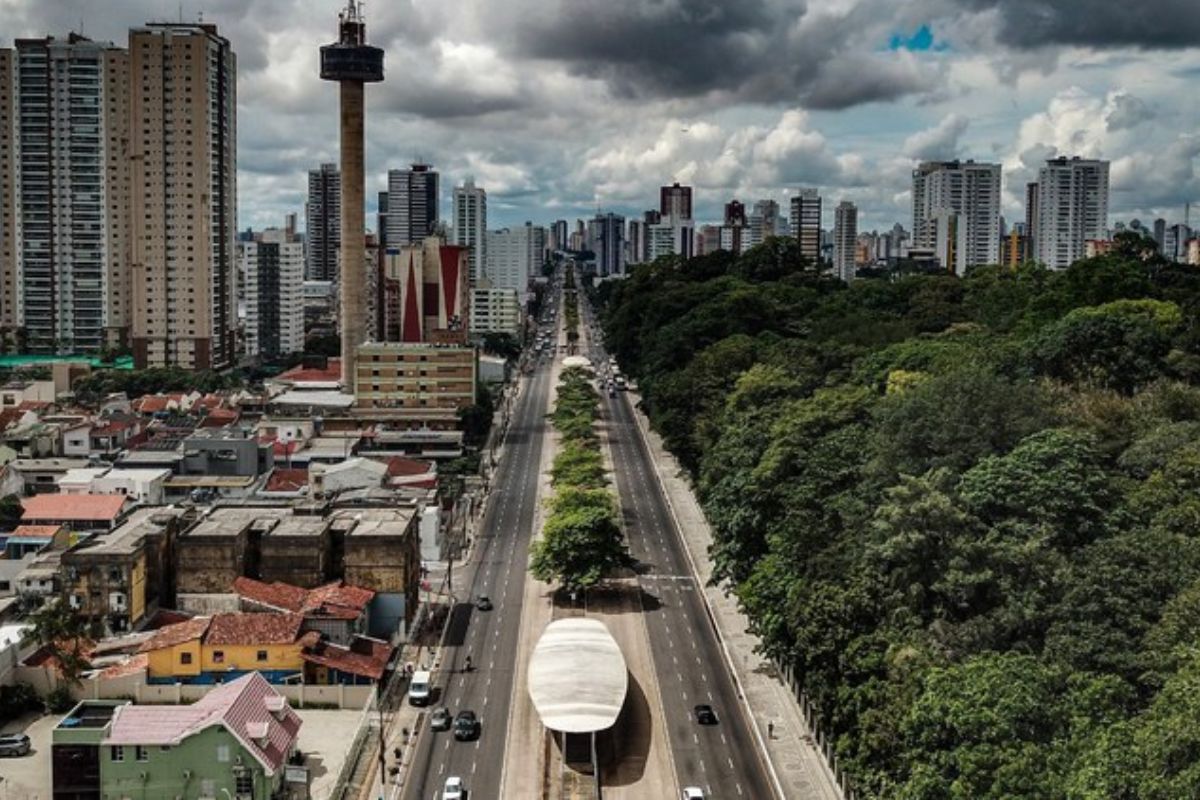

Focused on Sustainability in Pará, Partnership Between Federal Government and State Government Expands Territorial Integration, Promotes Clean Energy, and Enhances Environmental Management with Precise Geospatial Data
The sustainability in Pará gains new momentum with the sharing of detailed geospatial databases between the Secretary of Environment, Climate and Sustainability (Semas) and federal agencies.
The objective is to improve federal and state planning, ensuring the sustainable use of the Pará territory, according to an article published.
The information includes protected areas, sensitive zones from the Economic-Ecological Zoning, forest management plans, and mining concessions.
-
Study Reveals 97% of Pregnant Munduruku Women in the Brazilian Amazon Have Mercury Levels Above Safe Limits, 90% of Newborns Contaminated by Gold Mining

-
Brazil to Hold First Auction for Batteries to Store Solar and Wind Energy from the Northeast

-
Green Roofs on Homes Gain Popularity for Reducing Heat, Noise, and Rain Impact in Brazil

-
China could reduce iron ore imports from 80% to 50% of consumption by 2030, while its share in global steel production falls from 52% to 46%, in a shift that could reshape the global market, says CMRG.



This cooperation reduces land use conflicts, strengthens transparency, and supports sustainable development.
According to the deputy secretary of Semas, Rodolpho Zahluth Bastos, integration among sectors is essential to align infrastructure, mineral, water, and forest resources in a coordinated manner.
Responsible Mining and Sustainability in Pará Advance with Public Transparency
The sharing of data by Semas directly benefits responsible mining in Pará.
The National Mining Agency (ANM), for example, uses the information to plan concessions and supervise dams, promoting more safety and governance.
The superintendent of ANM, Luiz Paniago Neves, emphasized that the initiative strengthens data-driven public policies and enhances the transparency of institutions.
According to him, the use of this information is essential to improve supervision and ensure that economic development occurs without compromising the environment.
With Pará being one of the largest mining hubs in the world, territorial integration becomes a decisive step to unite economic growth and environmental preservation.
Clean Energy and Sustainability in Pará: Cooperation that Boosts the Energy Future
The sharing of geospatial databases also supports planning studies conducted by the Energy Research Company (EPE), linked to the Ministry of Mines and Energy (MME).
The president of EPE, Thiago Prado, emphasized that the Pará territory is strategic for the future of the Brazilian energy matrix.
Updated and geo-referenced data allow for the identification of suitable areas for the generation and transmission of clean energy, reinforcing sustainability in Pará.
This technical integration between federal and state improves land-use planning, preventing environmental impacts and optimizing public and private investments in the energy sector.
Digital Reforestation and Sustainability in Pará Expand Environmental Governance
With the advancement of digital transformation, sustainability in Pará is also strengthened by the Regulariza Pará Portal, which is the public platform that centralizes environmental, land, and territorial information.
The tool allows for monitoring public policies on reforestation, conservation units, rural settlements, and quilombola territories.
The periodically updated databases integrate data from state and federal agencies, promoting predictability and efficiency in environmental management.
This digitalization of the territory reinforces the role of the state as a promoter of transparent governance, facilitating public access to information and contributing to the balance between regional development and environmental protection.


